
Georgetown Truck Accident Causes Interstate 35 Shutdown
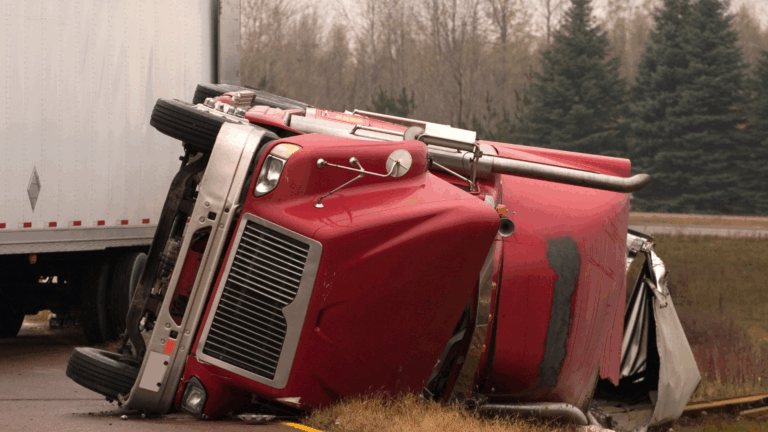
A serious Georgetown truck accident on November 10, 2025, forced the closure of all southbound lanes on Interstate 35 north of Georgetown after a crash involving a semi-truck and a car. According to CBS Austin, emergency responders arrived at the scene Monday afternoon to find extensive damage and significant traffic disruption stretching for miles. The incident caused severe delays and highlighted ongoing concerns about the dangers of large truck collisions.
While authorities have not released details about injuries or fault, early reports indicate that a vehicle rollover occurred, raising serious safety questions about driver attentiveness, lane merging, and speed management on congested highway stretches in Georgetown. Each truck crash highlights the risk that negligent driving, fatigue, or other causes can pose to Texas motorists. Victims of truck collisions often face severe injuries, emotional distress, and long recovery periods that require immediate legal support and careful investigation.
If you or a loved one were injured in a Georgetown truck accident, the attorneys at Baker Matthews Law are ready to help you pursue the justice and compensation you deserve. Call (512) 474-0100 today to speak with an experienced Georgetown truck accident lawyer about your case.
Common Causes of Georgetown Truck Accidents
Truck accidents in Georgetown often occur because of a mix of human error, mechanical failure, and poor company oversight. The I-35 corridor north of Austin carries one of the heaviest concentrations of freight traffic in Central Texas. When large trucks share these crowded highways with passenger vehicles, even minor mistakes can lead to devastating outcomes. When these tragic events happen, it is important to immediately reach out to a Georgetown truck accident lawyer. Understanding the root causes of these crashes helps victims recognize when negligence may have played a role in their injuries.
Driver Fatigue and Hours of Service Violations
Truck drivers frequently work long shifts under pressure to meet strict delivery schedules. Fatigue dulls focus, slows reaction time, and increases the chance of critical mistakes. Even experienced drivers are vulnerable to exhaustion after spending many consecutive hours on the road.
How Exhaustion Affects Reaction Times
A fatigued driver is slower to respond when traffic stops suddenly or another vehicle drifts into their lane. The heavy size and long braking distance of a semi-truck magnify every second of delay. On high-speed stretches of Interstate 35 near Georgetown, that brief lapse can mean the difference between a close call and a catastrophic crash.
The Science Behind Fatigue and Impaired Judgment
Studies by the National Highway Traffic Safety Administration show that drowsy driving can impair reflexes and awareness as severely as alcohol intoxication. When a truck operator pushes through exhaustion, they may experience microsleep episodes that cause complete lapses in attention. This dangerous state often leads to multi-vehicle collisions and pileups that endanger everyone nearby.
Warning Signs of Dangerous Fatigue
Yawning, drifting between lanes, and delayed braking are all signs that a truck driver is too tired to continue safely. Unfortunately, many drivers ignore these red flags because of employer pressure or personal financial goals. Recognizing these warning signs early could prevent a tragedy on Texas highways.
Texas Regulations Designed to Prevent Fatigue
The Federal Motor Carrier Safety Administration sets specific limits on the number of hours truckers can drive within a given period. These Hours of Service rules are designed to protect the public and keep commercial operators alert behind the wheel.
How Violations Occur in the Trucking Industry
Some companies falsify logbooks or encourage drivers to work beyond legal limits. This practice is not only unethical but also illegal. When an accident results from an Hours of Service violation, the carrier can be held liable for negligent supervision and recordkeeping.
Enforcement of Safety Standards in Georgetown and Beyond
Law enforcement agencies in Williamson County regularly conduct roadside inspections to ensure compliance. Despite these efforts, fatigue-related crashes remain a persistent threat due to long-haul shipping demands that push truckers to their physical limits.
Distracted or Reckless Driving Among Commercial Truck Operators
Modern trucks are equipped with navigation systems, dispatch radios, and digital log devices. While these tools improve efficiency, they also create opportunities for distraction. Truck drivers must balance constant communication with the need to keep their full attention on the road.

Device Use and Inattention
Texting, entering navigation data, or adjusting electronic systems while driving can divert focus for crucial seconds. Those moments of inattention due to device usage while driving at 70 miles per hour can result in catastrophic collisions.
Technology and Increased Distraction Risks
Although technology assists drivers with routing and communication, it can become a major hazard when misused. Touchscreen dashboards, phone alerts, and on-board tablets require visual and mental engagement, taking the driver’s eyes and thoughts away from the traffic ahead.
Legal Consequences for Distracted Truck Driving
Texas law prohibits the use of handheld devices while operating a motor vehicle. Commercial drivers who violate this rule can face severe penalties, including fines, license suspension, and civil liability if their distraction causes an accident.
The Role of Speeding and Unsafe Lane Changes
Truck drivers who speed or weave through traffic endanger everyone around them. A fully loaded semi-truck can weigh up to 80,000 pounds, requiring far greater stopping distance than a passenger car.
Speed Management Challenges for Commercial Vehicles
Momentum plays a major role in crash severity. The faster a truck travels, the harder it becomes to stop safely. Even minor speeding on downhill slopes near Georgetown can make it impossible to avoid a rear-end collision.
Preventable Lane Change Collisions on I-35
Unsafe merging is a leading cause of sideswipe and rollover crashes. When a trucker fails to check blind spots or misjudges the speed of nearby vehicles, the results can be devastating. Proper training and adherence to lane discipline could prevent many of these accidents.
Equipment Failures and Poor Truck Maintenance
Truck crashes often trace back to mechanical defects that should have been detected during regular inspections. When companies cut corners on maintenance, the consequences can be deadly.
Common Mechanical Issues That Lead to Crashes
Defective brakes, worn tires, and steering malfunctions frequently appear in post-accident investigations. These problems develop slowly over time but become catastrophic when ignored.
Brake System Failures on Heavy Commercial Vehicles
Brake fade, fluid leaks, or damaged drums can reduce a truck’s ability to stop safely. When a downhill slope or traffic backup appears suddenly, a failed braking system leaves no margin for error.
Tire Blowouts and Loss of Vehicle Control
Overheated or underinflated tires are common causes of truck rollovers and jackknife accidents. Tire debris scattered across I-35 poses additional hazards to other motorists traveling behind large rigs.
Federal Inspection Requirements for Commercial Vehicles
The FMCSA requires all trucking companies to perform consistent inspections and retain records proving compliance. Skipping these inspections is a direct violation of safety laws.
Accountability for Negligent Maintenance
When an accident occurs because of poor upkeep, both the driver and carrier may share responsibility. Victims can seek compensation by demonstrating that the company failed to maintain the vehicle according to federal or state standards.
The Importance of Maintenance Logs in Legal Claims
Maintenance and inspection reports serve as vital evidence in truck accident lawsuits. These documents help attorneys show whether the vehicle was roadworthy and whether any prior issues were ignored before the crash.
Understanding Liability in a Georgetown Truck Accident
Determining who is legally responsible after a Georgetown truck collision can be complicated. These crashes often involve several parties, including the truck driver, the carrier company, maintenance contractors, and equipment manufacturers. Understanding how liability works in these cases helps victims pursue rightful compensation and hold negligent parties accountable.
Determining Fault Between Truck Drivers and Motor Carriers
Truck drivers must follow federal and state laws that govern hours of service, maintenance, and safe driving behavior. When a driver violates these rules, they can be held personally responsible. However, employers may also share liability when their policies or management practices contribute to the crash.
Employer Responsibility Under Texas Law
Under Texas law, employers can be held liable for the actions of their employees when those actions occur within the scope of employment. This means a trucking company may be financially responsible if a driver causes a crash while performing assigned job duties.
The Role of Company Policies in Negligent Supervision
Many commercial carriers place unrealistic demands on their drivers, pressuring them to work long hours or speed to meet deadlines. When these unsafe expectations cause fatigue or recklessness, the company’s negligence becomes a factor in the accident. Legal teams often review dispatch logs, route assignments, and company communications to uncover these violations.
When Independent Contractors Create Legal Gray Areas
Some companies classify drivers as independent contractors to avoid liability. However, if the company still controls routes, schedules, or equipment, courts may find an employer-employee relationship. Proving this connection can significantly affect who is held accountable after a Georgetown truck accident.
Third-Party Liability for Maintenance and Cargo Loading
Liability does not always stop with the trucking company. Third-party maintenance providers and cargo loading crews can also contribute to a crash if their negligence leads to mechanical failure or instability on the road.
Unsafe Cargo Loading and Weight Distribution
Improperly loaded trailers are more likely to sway, jackknife, or overturn. Cargo that shifts during transit creates instability that can cause the driver to lose control. If an outside contractor handled the loading, that company may share responsibility for the crash.
Mechanical Negligence by Outside Maintenance Providers
Maintenance shops that fail to repair brake systems, tires, or steering components correctly can create dangerous conditions. When a mechanical failure causes an accident, the service provider can be named as a defendant for negligent maintenance practices.
How Negligence Is Proven in a Truck Accident Case
Establishing negligence requires showing that the responsible party owed a duty of care, breached that duty, and caused measurable harm. Each element must be supported by evidence gathered from multiple sources.
Evidence Used to Establish Breach of Duty
Truck accident investigations often include black box data, driver logs, maintenance reports, and witness statements. These records provide insight into how the collision occurred and who contributed to it.
Electronic Logging and GPS Tracking Evidence
Most commercial trucks carry electronic logging devices that record vehicle speed, braking, and rest periods. This data can reveal whether a driver exceeded legal hours or ignored safety warnings before the collision.
How Eyewitness Testimony Strengthens a Case
Witnesses can confirm what occurred in the moments before impact. Their accounts support the technical evidence, providing a human perspective that helps establish how the crash unfolded.
The Importance of Reconstruction Experts and Witnesses
Truck accident cases often require the expertise of accident reconstruction specialists. These professionals analyze physical evidence, vehicle damage, and roadway markings to recreate the event.
How Reconstruction Experts Quantify Impact and Speed
Reconstruction experts use advanced modeling to determine speed, direction, and braking distance. Their analysis clarifies whether the driver had enough time to react, supporting claims of negligence or recklessness.
Presenting Expert Evidence in Texas Courts
In Texas truck accident litigation, expert testimony often carries significant weight. Judges and juries rely on expert findings to interpret complex data, helping them reach fair conclusions about responsibility and compensation.
Steps to Take After a Georgetown Truck Accident
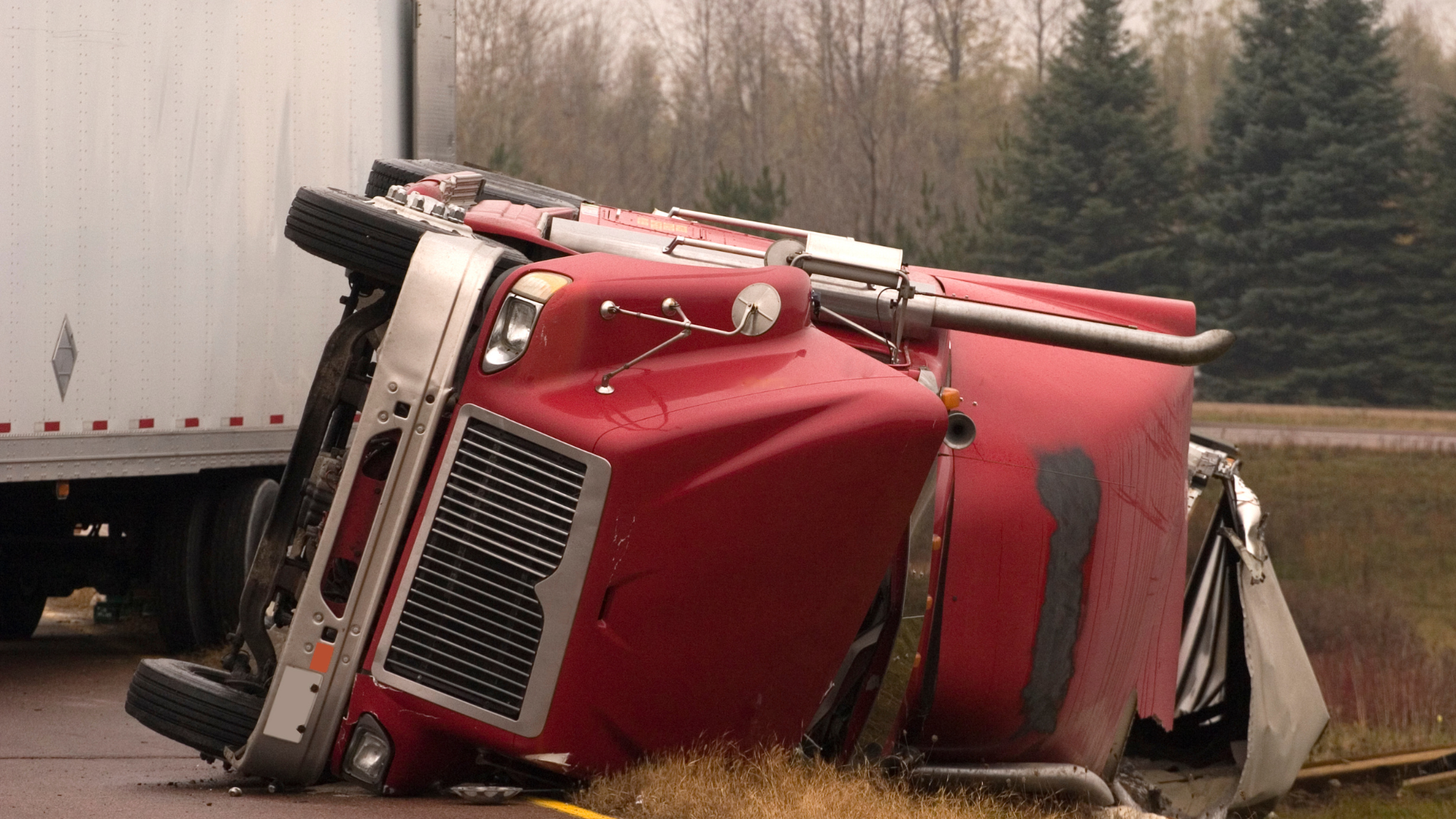
After a serious Georgetown truck accident, the moments and days that follow can be overwhelming. Victims often face medical emergencies, vehicle damage, and confusion about what steps to take next. Following the correct procedures helps preserve evidence, protect legal rights, and strengthen any future claim for compensation.
Contacting Law Enforcement and Seeking Medical Help
The first priority after any truck accident is safety. Calling 911 ensures that emergency responders arrive to secure the scene and assist the injured. Law enforcement officers also create an official accident report that becomes essential evidence for your case.
Why Official Reports Strengthen Your Legal Claim
Police reports include critical details such as the time, location, weather conditions, and statements from both drivers. These reports can establish initial fault and verify the sequence of events leading up to the crash.
The Importance of Accurate Statements at the Scene
Victims should provide clear and factual information to officers but avoid speculation about fault. Any incorrect or inconsistent statements can complicate later legal proceedings. It is best to focus on factual details like speed, direction, and visible injuries.
How Medical Records Support Your Case
Prompt medical evaluation is vital, even if injuries appear minor. Some internal injuries and concussions may not show immediate symptoms. Medical records create documentation that links your injuries directly to the collision, which is crucial in insurance negotiations and lawsuits.
Documenting Injuries and Vehicle Damage
Photographs and written descriptions provide powerful evidence. Capturing vehicle positions, skid marks, and visible injuries helps attorneys and investigators reconstruct what happened.
Using Photo Evidence to Prove Impact Severity
High-resolution photos showing the damage pattern can demonstrate the force of collision and help experts estimate vehicle speeds. These images often become key exhibits in settlement discussions or courtroom presentations.
Preserving Physical Evidence for Inspection
If possible, victims should avoid repairing or scrapping their vehicle before an attorney or expert inspects it. Physical damage offers insight into impact angles, mechanical failures, and whether safety features performed as expected.
Preserving Evidence and Avoiding Common Mistakes
Evidence preservation is one of the most important responsibilities a victim has after an accident. Trucking companies and insurers often begin investigating immediately to limit their liability, so acting quickly is critical.
Collecting Witness Statements and Photos
Identifying witnesses and obtaining their contact information can make a major difference in a case. Independent accounts help confirm who caused the crash and whether traffic laws were violated.
How Witness Testimony Influences Settlement Value
Insurance companies rely heavily on witness statements when assessing liability. A clear and consistent witness account can make insurers more willing to negotiate a fair settlement.
Using Dash Camera and Surveillance Footage
Nearby businesses, vehicles, or traffic cameras may have captured the crash. An attorney can issue preservation requests to ensure this footage is not deleted or recorded over. This type of visual evidence can be decisive in proving fault.
Communicating Carefully With Insurance Adjusters
Insurance companies often contact victims shortly after the crash. Although adjusters may appear helpful, their goal is to minimize payouts. Victims should avoid giving recorded statements or signing documents without legal guidance.
Common Tactics Used by Insurance Companies
Adjusters sometimes pressure victims to accept quick settlements before the full extent of their injuries is known. They may also misrepresent policy limits or assign partial blame to reduce compensation. Understanding these tactics helps victims stay protected.
How Legal Representation Prevents Costly Mistakes
Having an attorney handle communication ensures that every statement aligns with the facts of the case. Legal counsel can also manage correspondence deadlines and protect clients from inadvertently weakening their claim.
When to Contact a Georgetown Truck Accident Lawyer
The sooner a victim contacts a qualified attorney, the stronger their case becomes. Early involvement allows legal teams to secure time-sensitive evidence and communicate directly with insurers on behalf of the client.
The Advantage of Early Legal Representation
Truck accident evidence such as driver logs and electronic data can be lost if not requested promptly. Attorneys use preservation letters to compel carriers to retain records and prevent destruction of critical proof.
Investigative Steps Taken by Attorneys
An attorney may hire experts to inspect the vehicles, analyze maintenance logs, and review communication between the driver and dispatch. These steps reveal whether safety violations or mechanical issues played a role in the collision.
Coordinating With Medical and Financial Experts
Legal teams also collaborate with medical professionals to document treatment plans and long-term care needs. This evidence supports the claim’s value and helps secure compensation for both economic and non-economic losses.
Ensuring Full Compensation for Damages
The firm pursues every category of recoverable loss, including medical bills, rehabilitation, lost income, and pain and suffering. By compiling comprehensive documentation, the attorneys ensure that victims receive fair valuation of their claims.
Providing Guidance Through Every Stage of Recovery
Beyond legal representation, Georgetown truck accident attorneys offer compassionate support and regular communication throughout the process. This approach allows clients to focus on healing while their case moves forward with confidence and precision.
The Legal Process for Pursuing Compensation in Texas Truck Accident Claims
Recovering compensation after a Georgetown truck accident involves several legal steps that must be handled carefully. Trucking cases are more complex than standard vehicle collisions because they often involve federal regulations, commercial insurance policies, and multiple liable parties. Understanding the legal process helps victims anticipate what to expect and make informed decisions throughout their case.
Filing a Claim and Investigating the Crash
The first stage in any truck accident case begins with filing a claim and gathering evidence. Attorneys collect detailed information about how the crash occurred and who may be responsible. This initial investigation lays the foundation for proving negligence and securing fair compensation.
Evidence Gathering and Discovery
Attorneys begin by sending preservation letters to ensure that key evidence is not destroyed. This includes driver logs, black box data, and communication records between the truck driver and the carrier company.
How Electronic Data Strengthens Legal Claims
Modern trucks contain event data recorders that log details such as speed, braking, and rest periods. This information can reveal whether a driver violated safety rules or ignored warning signals. Attorneys use this data to reconstruct the timeline of the collision and demonstrate liability.
Discovery Through Depositions and Document Requests
During discovery, each party exchanges evidence and provides sworn testimony. Depositions allow attorneys to question witnesses, experts, and company representatives under oath. This process uncovers hidden information that may prove corporate negligence or unsafe business practices.
Building a Timeline of Events
A clear and factual timeline allows attorneys to connect the actions of the driver, carrier, and third parties leading up to the crash. This sequence of events supports the claim by showing how one or more failures caused the resulting injuries.
Reconstructing the Sequence of the Collision
Reconstruction specialists use physical evidence such as tire marks, vehicle positions, and roadway debris to piece together how the crash unfolded. Their analysis provides objective proof of impact force and driver behavior.
Establishing a Link Between Negligence and Injury
Attorneys combine expert reports with medical documentation to prove causation. This connection between negligence and injury is essential to recovering full compensation under Texas law.
Negotiating Settlements and Preparing for Trial
Once evidence is collected, the negotiation phase begins. Most truck accident claims are resolved through settlement, but legal teams must always prepare for trial to maintain leverage and ensure fair treatment.
How Attorneys Calculate Fair Compensation
Determining the value of a truck accident case requires analyzing both economic and non-economic losses. Economic damages cover measurable costs, while non-economic damages compensate for pain, emotional distress, and loss of quality of life.
Evaluating Economic Damages in Truck Accident Claims
Economic damages include hospital expenses, rehabilitation costs, lost income, and property damage. Attorneys review bills, invoices, and employment records to ensure every financial loss is documented accurately.
Assessing Pain and Suffering and Long-Term Impacts
Truck accident victims often experience lasting pain or disability that affects their ability to work or enjoy daily life. Legal teams work with medical and psychological experts to quantify these effects and include them in settlement calculations.
What to Expect During Litigation
If settlement negotiations fail, the case proceeds to trial. Litigation allows a judge or jury to decide the outcome based on presented evidence. While court proceedings can be lengthy, they provide victims an opportunity for full accountability.
Preparing Clients for Court Testimony
Attorneys guide clients through the trial process, including how to answer questions confidently and truthfully. Proper preparation helps clients feel at ease and ensures that their statements support the overall case strategy.
The Role of Expert Witnesses in Truck Accident Trials
Expert witnesses such as accident reconstructionists, medical professionals, and economists help clarify technical issues for jurors. Their testimony adds credibility and depth to the case, reinforcing the plaintiff’s arguments with professional insight.
Post-Trial Actions and Collection of Awards
Winning a verdict is not always the end of the process. In some cases, defendants may file appeals or delay payment. Attorneys assist clients with enforcing judgments and securing the financial recovery they are legally owed.
Enforcement of Court Judgments
If the court orders compensation, the responsible party must comply promptly. When defendants refuse to pay, attorneys can pursue additional motions or liens to ensure collection of the full amount awarded.
How Appeals Affect the Recovery Timeline
Appeals can extend the duration of a case by several months or more. During this time, attorneys continue to defend the verdict and negotiate potential post-judgment settlements to expedite recovery for the client.
Protecting Clients From Post-Trial Retaliation or Bad Faith
Trucking insurers occasionally attempt to delay or reduce payment even after a ruling. Skilled attorneys monitor these tactics and take swift action to enforce compliance, ensuring clients receive what they rightfully earned.
Long-Term Impact of a Successful Truck Accident Claim
Beyond financial compensation, a successful claim can also lead to meaningful safety reforms within the trucking industry. Holding negligent carriers accountable helps prevent similar tragedies on Texas roads.
Promoting Safer Industry Standards Through Accountability
Legal victories against negligent companies often encourage improved safety protocols, better driver training, and stricter maintenance oversight. These outcomes help protect future motorists and reduce statewide crash rates.
Contact a Georgetown Truck Accident Attorney Today
Experiencing a devastating truck accident in Georgetown can leave victims and their families facing unimaginable challenges. The physical injuries, emotional trauma, and financial burdens that follow a serious crash often create uncertainty about what comes next. When a negligent truck driver or company causes harm, it is essential to act quickly to protect your rights and secure the compensation you deserve under Texas law.
At Baker Matthews Law, our attorneys are dedicated to representing victims of truck collisions throughout the Georgetown and greater Austin area. We understand how complex truck accident cases can be, especially when dealing with powerful insurance companies and commercial carriers. Our team approaches every case with compassion, precision, and an unwavering commitment to justice. We help clients recover damages for medical expenses, lost wages, rehabilitation, pain and suffering, and long-term care needs.
If you or someone you love was involved in a Georgetown truck accident, do not wait to get the legal help you need. Call (512) 474-0100 or visit our contact page to speak directly with an experienced Georgetown truck accident attorney. Baker Matthews Law is ready to fight for your recovery, hold negligent parties accountable, and help you move forward with confidence.