
Icy Conditions from Winter Storm Lead to Multiple Accidents, Road Closures Across the Austin Metro
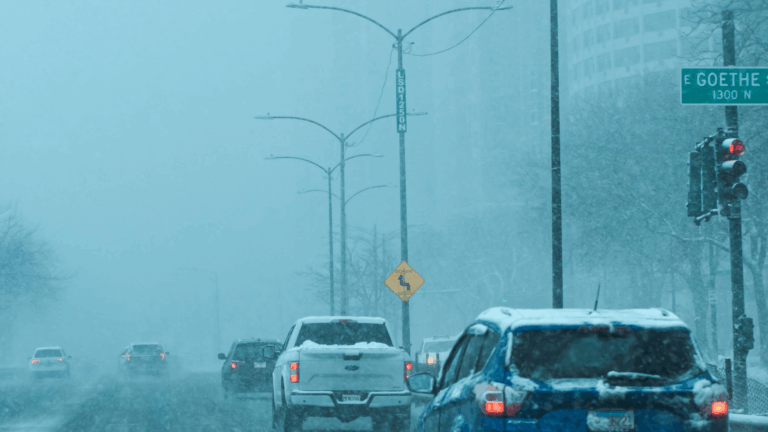
Icy road conditions across Central Texas caused multiple crashes and roadway closures last week, prompting officials to urge drivers to stay off the roads unless absolutely necessary, according to KXAN News. Dangerous ice lingered on roadways into last Monday morning, with overpasses remaining especially hazardous. Authorities reported several crashes impacting major routes, including portions of Interstate 35, as crews worked to de-ice affected areas. The storm marked the biggest winter storm to hit Texas since 2021. Among the incidents, an Austin Police Department cruiser was involved in a collision due to the icy conditions, though police confirmed no injuries were reported. In San Marcos, a crash involving an 18-wheeler led to the temporary closure of northbound I-35 near Posey Road after the truck lost control and spilled fuel. Additional crashes later shut down other sections of I-35, though lanes eventually reopened.
Inclement weather-related accidents can create widespread chaos across roadways, placing drivers, passengers, and first responders at serious risk within moments. This dangerous situation underscores how quickly icy conditions can lead to crashes, road closures, and unexpected emergencies, even for experienced drivers and trained officers. When ice covers overpasses and major highways, a single loss of control can trigger chain reactions that disrupt entire communities and threaten public safety. These incidents raise important concerns about road maintenance, emergency response, and whether adequate precautions were taken to protect motorists during severe weather. At Baker Matthews Law, we understand how overwhelming it can be to deal with the aftermath of a serious accident caused by hazardous conditions while trying to determine what went wrong. If you or a loved one has been injured in an inclement weather-related crash in the Austin metro, give us a call today at (512) 515-9862 for a free case review.
Why Experienced Legal Counsel Matters After a Winter Storm-Related Austin Metro Crash
After an Austin metro crash caused by a winter storm, determining what went wrong is rarely straightforward. At Baker Matthews Law, we understand that icy conditions can mask underlying issues such as inadequate road treatment, delayed warnings, or negligent driving despite known hazards. We take a detailed approach to evaluating winter storm crashes by reviewing weather data, roadway maintenance efforts, traffic reports, and driver behavior leading up to the collision. This comprehensive analysis helps us identify whether preventable factors contributed to the crash rather than dismissing it as an unavoidable weather event.
Winter storm crashes often involve severe injuries, multi-vehicle collisions, and heavily disputed liability, all of which can complicate insurance claims and delay meaningful progress. At Baker Matthews Law, we focus on protecting our clients from unfair blame and attempts to minimize the seriousness of their losses by presenting clear, well-supported arguments rooted in strong evidence. These cases frequently require careful coordination of crash reports, weather data, roadway conditions, and insurance policies, which demands both experience and attention to detail. Our background handling complex accident cases allows us to anticipate common defense strategies and respond effectively on behalf of those harmed. By managing the legal and insurance challenges tied to dangerous winter driving conditions, we help create stability during an otherwise uncertain and stressful time.
How Winter Storms Leave Austin Metro Drivers at Risk
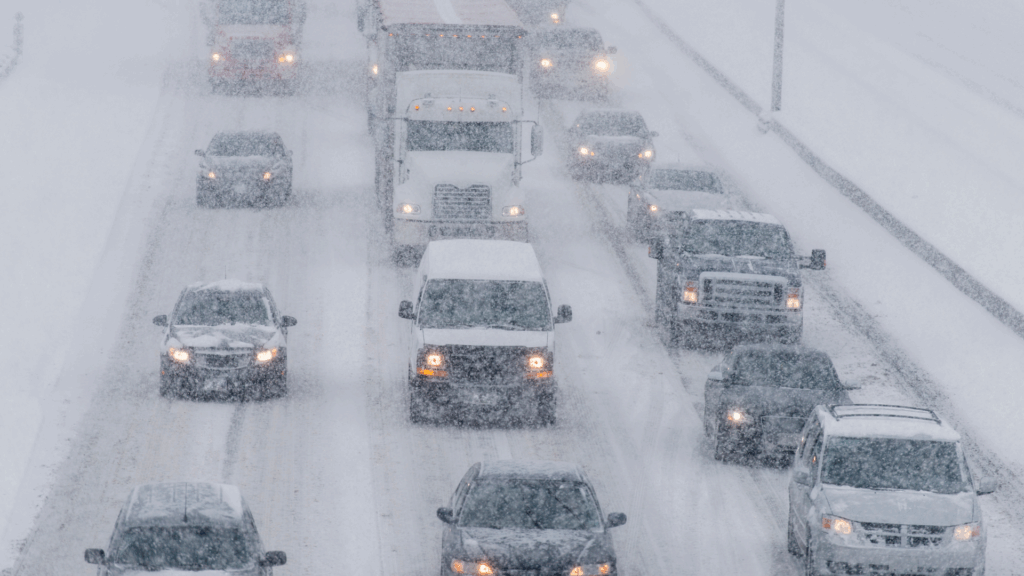
Winter storms present unique dangers for Austin metro drivers, largely because severe cold and ice are uncommon in Central Texas. When freezing conditions occur, roadways, drivers, and infrastructure are often unprepared for the sudden change. Ice can develop quickly, reducing traction and visibility with little warning. As a result, even cautious drivers may find themselves in hazardous situations.
Rare Weather Conditions Create Unfamiliar Driving Hazards
Austin metro drivers rarely encounter icy roadways, which increases the likelihood of mistakes during winter storms. Many drivers lack experience navigating ice-covered streets and overpasses. This unfamiliarity can lead to delayed reactions and poor decision-making. The risk increases when conditions change faster than expected.
Limited Driver Experience With Ice and Snow
Most Central Texas drivers are accustomed to rain rather than freezing precipitation. Ice behaves differently than wet pavement and significantly reduces braking effectiveness. Drivers may underestimate stopping distances or overcorrect steering. These misjudgments can quickly lead to loss of control.
False Sense of Security on Seemingly Clear Roads
Roadways may appear safe while remaining dangerously slick. Thin layers of ice are often difficult to see, especially at night or in shaded areas. Drivers may maintain normal speeds without realizing traction is compromised. This hidden danger increases crash risk.
Overpasses and Bridges Become Especially Dangerous
Overpasses and bridges tend to freeze before surface streets, making them some of the most hazardous areas during winter storms. Elevated structures are exposed to cold air on all sides. As a result, ice forms more quickly and melts more slowly. These conditions frequently contribute to serious crashes.
Faster Ice Formation on Elevated Roadways
Because overpasses lack ground insulation, temperatures drop faster than on surrounding roads. Even brief cold snaps can create slick surfaces. Drivers often encounter ice suddenly while traveling at highway speeds. This sudden change leaves little time to react safely.
Chain-Reaction Crashes on Major Routes
When one vehicle loses control on an icy overpass, others may be unable to stop in time. This can lead to multi-vehicle collisions that block major routes. Emergency response may also be delayed due to conditions. These chain reactions increase injury risk.
Limited Road Treatment and Response Challenges
Winter storms can strain local resources, especially when conditions develop rapidly. Road treatment efforts may not reach all areas immediately. Some neighborhoods and secondary roads may remain untreated longer. These delays increase exposure to danger.
Delays in Deicing and Sanding Efforts
TxDOT and city crews work quickly, but ice can spread faster than treatment efforts. Limited supplies and staffing may slow response times. Drivers traveling early or late may encounter untreated roads. These gaps elevate crash risk.
Ongoing Hazard Despite Partial Treatment
Even treated roads may remain slick in shaded or high-traffic areas. Refreezing can occur as temperatures fluctuate. Drivers may assume roads are safe when hazards remain. Continued caution is necessary.
Reduced Visibility and Reaction Time
Winter storms often bring poor visibility due to precipitation, fog, or darkness. Combined with icy roads, reduced visibility limits reaction time. Drivers may not see stalled vehicles or crashes ahead. This combination increases the likelihood of secondary collisions.
Nighttime and Early Morning Risks
Ice is often most dangerous during early morning hours. Low temperatures and darkness make hazards harder to detect. Drivers commuting during these times face increased risk. Reduced lighting compounds the danger.
Difficulty Responding to Sudden Hazards
On ice, braking and steering responses are slower and less predictable. Even minor obstacles can become major threats. Drivers may be unable to avoid collisions once traction is lost. This lack of control increases injury severity.
Increased Risk for Emergency and Essential Travel
Some drivers must travel despite dangerous conditions due to work or emergencies. These trips carry higher risk during winter storms. Emergency vehicles and essential workers face exposure on icy roads. Their presence increases traffic during hazardous periods.
Pressure to Travel Despite Unsafe Conditions
Essential workers may feel obligated to drive even when conditions are poor. This pressure increases exposure to risk. Fatigue and stress may also affect driving performance. These factors contribute to crashes.
Crowded Roadways During Limited Safe Windows
Drivers may attempt to travel during brief periods when conditions appear improved. This can lead to congestion on limited safe routes. Increased traffic raises the chance of collisions. Timing becomes critical.
The Compounding Effect of Multiple Risk Factors
Winter storm crashes rarely result from a single cause. Instead, multiple factors often combine to create dangerous conditions. Ice, visibility, driver behavior, and road treatment all play roles. Understanding this complexity helps explain why winter storms are so hazardous.
Small Errors With Serious Consequences
On icy roads, even minor mistakes can have major outcomes. Slight speed changes or delayed braking can cause loss of control. These errors escalate quickly. The margin for safety is extremely narrow.
Why Caution Alone May Not Prevent Crashes
Even cautious drivers can be affected by others who lose control. One vehicle sliding can impact several others. External factors often outweigh individual care. This reality makes winter storms particularly dangerous for everyone on the road.
What to Do After an Austin Metro Crash Caused by a Winter Storm
A winter storm crash in the Austin metro area can leave drivers shaken, injured, and uncertain about what steps to take next. Icy road surfaces, reduced visibility, and sudden lane closures often create confusion and increase stress in the moments following a collision. Taking deliberate and informed steps can help protect your physical safety, preserve important information, and safeguard your legal interests. Remaining calm and organized is especially important when hazardous weather conditions are still present.
Prioritize Safety and Seek Medical Care
Your personal safety should remain the highest priority after a winter storm-related crash, particularly when road conditions remain slick. Icy pavement significantly increases the risk of secondary collisions, especially on busy or elevated roadways. Moving carefully and seeking medical attention as soon as possible can help prevent additional injuries. Early action also creates documentation that may become important later.
Move to a Safer Location if Possible
If vehicles can be moved safely, relocating them out of active traffic lanes helps reduce the risk of additional crashes. Turning on hazard lights improves visibility for approaching drivers who may have limited control on icy roads. Remaining alert to surrounding traffic conditions is critical, especially when vehicles may slide unexpectedly. These safety precautions help protect everyone involved while emergency response is underway.
Get Medical Evaluation Even for Mild Symptoms
Cold temperatures and adrenaline often mask pain and injury symptoms immediately after a crash. Head injuries, soft tissue damage, and internal injuries may not become noticeable until hours or even days later. Seeking a medical evaluation promptly allows healthcare providers to identify issues early and begin appropriate treatment. Medical records also clearly document injuries and connect them to the crash.
Contact Law Enforcement and Report the Crash
Reporting a winter storm crash ensures that an official record is created at the time of the incident. Law enforcement officers can document vehicle positions, roadway conditions, and weather-related hazards present at the scene. This objective record often becomes an important reference if questions arise later. Proper documentation helps establish clarity.
Request Officer Documentation of Road Conditions
Ask responding officers to note the presence of ice, visibility limitations, and ongoing weather conditions in their report. These environmental details help explain how the winter storm contributed to the crash. Accurate documentation supports a more complete understanding of what occurred. Environmental factors often play a significant role in these cases.
Obtain a Copy of the Police Report
Once the police report becomes available, obtaining a copy allows you to review the recorded details carefully. Confirming that names, locations, and descriptions are accurate helps prevent misunderstandings later. Addressing any errors early can reduce complications. Keeping a copy also supports organization and recordkeeping.
Preserve Evidence Despite Harsh Conditions
Winter storms can quickly erase important evidence as ice melts and cleanup crews clear roadways. Acting promptly helps preserve details that may otherwise be lost. Even limited documentation can provide valuable insight into how the crash occurred. Early efforts often make a meaningful difference.
Take Photos and Videos When Safe
When it is safe to do so, capturing photos or videos of icy surfaces, vehicle damage, and surrounding conditions can be helpful. Images showing lighting, road signs, and traffic patterns add important context. Visual evidence allows others to better understand the environment at the time of the crash. Personal safety should always remain the priority.
Gather Witness Information
Witnesses may provide important observations about vehicle movement, road conditions, or driver behavior. Collecting names and contact information helps preserve access to these accounts. Witness perspectives can clarify disputed facts later. Early collection reduces the risk of losing valuable information.
Be Cautious With Insurance Companies
Insurance companies often attribute winter storm crashes entirely to weather conditions. While weather is a factor, it does not always eliminate responsibility. Careful and measured communication helps protect your position. Thoughtful handling of early conversations can prevent complications.
Avoid Giving Detailed Statements Immediately
Early statements may be misinterpreted or taken out of context before all facts are known. Limiting details until you understand your rights can reduce risk. Clear and deliberate communication supports accuracy. Patience often helps prevent misunderstandings.
Do Not Accept Quick Settlement Offers
Initial settlement offers may not account for the full extent of injuries or vehicle damage. Medical treatment and repair costs often take time to fully assess. Allowing the situation to develop provides a clearer picture of actual losses. Careful consideration supports better long-term decisions.
Organize Records and Track Ongoing Impact
Keeping organized records helps demonstrate how the crash affected your health, finances, and daily life. Documentation reduces stress when information is needed later. Detailed records create a clear timeline of events. Organization supports clarity throughout recovery.
Save Medical, Repair, and Expense Records
Retaining medical bills, repair estimates, and related receipts shows the financial impact of the crash. These documents help track expenses over time. Organized records support understanding and consistency. Thorough documentation helps prevent gaps.
Document Missed Work and Daily Limitations
Recording missed workdays and changes to daily activities helps show how injuries disrupted your routine. Notes about pain levels, mobility challenges, and ongoing limitations provide helpful context. This information illustrates real-world impact. Detailed tracking strengthens accuracy.
Consider Legal Guidance When Questions Arise
Winter storm crashes often involve complex questions about liability and responsibility. Road treatment efforts, driver behavior, and environmental conditions may all contribute. Understanding available options can reduce uncertainty. Guidance helps clarify next steps.
Evaluate Whether Additional Factors Contributed
Hazardous conditions may combine with negligent driving or delayed roadway treatment. Identifying these contributing factors can be important. Careful review helps clarify responsibility. Awareness supports informed decision-making.
Seek Support to Navigate the Process
Legal guidance can help manage insurance communications and documentation challenges. Having support reduces pressure during recovery. Assistance provides reassurance and structure. Clarity helps individuals move forward with confidence.
What to Expect From Insurers After an Austin Metro Crash Caused by a Winter Storm
After an Austin metro crash caused by a winter storm, insurance companies often move quickly to protect their financial interests. While icy conditions are a factor, insurers do not automatically accept responsibility or approve claims without scrutiny. Understanding how insurers typically respond can help reduce surprises and frustration during the process. Being prepared allows drivers to navigate these interactions more confidently.
Early Contact From Insurance Adjusters
Insurance adjusters often reach out shortly after a winter storm crash occurs. Their initial communication may seem routine or helpful, but it serves a specific purpose. These early interactions can shape how a claim unfolds. Careful handling is important from the beginning.
Requests for Statements and Details
Adjusters may ask for recorded or written statements about how the crash happened. They often seek specific details about speed, road conditions, and driver actions. Even casual comments can be interpreted in ways that limit coverage. Providing limited information helps avoid misunderstandings.
Emphasis on Weather as the Primary Cause
Insurers frequently point to icy conditions as the main reason for the crash. While weather is relevant, it does not always eliminate negligence. This framing may be used to justify reduced payouts. Understanding this tactic helps explain early claim positions.
Liability Reviews and Fault Assessments
After initial contact, insurers begin evaluating who they believe is responsible. Winter storm crashes often involve shared or disputed fault. This stage can significantly affect claim outcomes. Thorough evaluation is common.
Use of Comparative Fault Arguments
Texas follows comparative fault rules, which insurers often apply aggressively. They may argue that drivers should have avoided travel or driven differently. Even small fault percentages can reduce compensation. These arguments are common after storm-related crashes.
Review of Police Reports and Scene Evidence
Adjusters rely heavily on police reports, photos, and diagrams. They may selectively focus on details that support their position. Incomplete or unclear reports can complicate matters. Accurate documentation becomes important.
Delays in Claim Processing
Winter storm crashes often occur in large numbers over a short period. This surge can slow insurance response times. Delays may add stress for injured drivers. Understanding why delays happen can reduce frustration.
High Claim Volume After Severe Weather
Insurance companies may receive hundreds of claims after a storm. Adjusters may be assigned heavier caseloads. This backlog can slow inspections and decisions. Patience is often required.
Requests for Additional Documentation
Insurers may repeatedly request records, estimates, or clarifications. These requests can extend timelines. Providing organized documentation helps keep the process moving. Clear records support efficiency.
Settlement Offers and Claim Valuation
Once insurers assess liability and damages, they may present a settlement offer. These offers often come before the full impact of injuries is known. Careful evaluation is important at this stage. Early decisions can have lasting effects.
Initial Offers May Be Lower Than Expected
Early settlement offers often reflect conservative estimates. They may not include future medical care or ongoing limitations. Accepting too soon can limit recovery options. Time allows for a clearer picture.
Pressure to Resolve Claims Quickly
Adjusters may encourage quick resolution to close files. This pressure can feel urgent, especially after a storm. However, rushing decisions may not serve long-term interests. Deliberate consideration is beneficial.
Ongoing Communication and Follow-Up
Insurance claims rarely resolve with a single interaction. Ongoing communication is common after a winter storm crash. Staying organized helps manage this process. Consistency supports clarity.
Tracking Deadlines and Correspondence
Keeping notes of calls, emails, and deadlines helps prevent confusion. Missed deadlines can delay progress. Organized tracking supports smoother communication. Documentation provides reassurance.
Responding Carefully to New Information Requests
Insurers may request updates as treatment continues or repairs progress. Providing accurate and timely responses helps maintain momentum. Thoughtful communication reduces risk. Clarity benefits all parties.

How an Austin Car Accident Attorney Jumps in to Support Victims After a Winter-Storm Related Crash
After a winter storm-related crash, victims are often left dealing with painful injuries, vehicle damage, and uncertainty about what steps to take next. In Central Texas, where ice storms are uncommon, drivers may be unprepared for hazardous conditions, which can complicate questions of fault and responsibility. An Austin car accident attorney plays a critical role in stepping in early to stabilize the situation and protect the victim’s interests. By addressing legal, investigative, and insurance-related issues promptly, an attorney helps bring order to an otherwise overwhelming aftermath.
Evaluating the Circumstances of the Winter-Storm Crash
A careful evaluation of the crash is essential following a winter weather accident. Ice-related collisions often involve more than simple driver error, which makes early analysis especially important. Attorneys focus on understanding how weather conditions, roadway treatment, and individual driving decisions interacted. This evaluation helps establish a clearer foundation for any potential claim.
Reviewing Weather Conditions and Roadway Response
Winter-storm crashes often raise questions about how roads were treated before and during the event. An attorney reviews weather reports, ice advisories, and TxDOT or city deicing efforts to determine whether proper precautions were taken. This analysis can reveal whether delayed or insufficient road treatment contributed to the crash. Understanding these factors helps frame responsibility more accurately.
Analyzing Driver Behavior in Hazardous Conditions
Even during icy conditions, drivers are expected to adjust their behavior to reduce risk. Attorneys examine speed, following distance, braking patterns, and lane usage leading up to the crash. This review helps determine whether a driver acted recklessly despite known hazards. Such findings can be critical when liability is disputed.
Preserving and Gathering Critical Evidence
Evidence can disappear quickly after a winter storm-related crash, especially once roads reopen and cleanup begins. Acting early allows attorneys to preserve details that may later become essential. Comprehensive evidence collection strengthens the overall case and reduces reliance on conflicting recollections. A proactive approach often makes a significant difference.
Collecting Scene Documentation and Visual Evidence
Photographs and videos of icy conditions, vehicle positions, and roadway features help capture the environment at the time of the crash. Attorneys work to secure traffic camera footage or nearby surveillance before it is overwritten. Visual evidence provides context that written reports alone may miss. This documentation helps illustrate how weather conditions affected safety.
Securing Police Reports and Supplemental Records
Police reports provide an initial account of the crash, including officer observations and any cited contributing factors. Attorneys review these reports closely and look for supplemental documentation when available. Follow-up records may include additional findings or clarifications. Thorough review ensures no important detail is overlooked.
Managing Insurance Communications and Claims
Insurance companies often move quickly after winter-storm crashes, sometimes minimizing responsibility by blaming weather alone. An attorney steps in to manage these communications and protect the victim’s position. Clear and consistent handling helps prevent misstatements or unfair claim denials. This support can relieve significant stress.
Preventing Unfair Fault Allocation
Insurers may attempt to assign partial or full blame to injured drivers, even when conditions were dangerous for everyone. Attorneys challenge unsupported fault claims by presenting evidence and legal analysis. This advocacy helps ensure responsibility is evaluated fairly. Accurate fault assessment is critical to any recovery effort.
Addressing Coverage and Policy Issues
Winter-storm crashes may involve complex insurance questions, including coverage limits and exclusions. Attorneys review applicable policies to identify available benefits and obligations. Understanding coverage early helps set realistic expectations. This clarity supports informed decision-making.
Supporting Victims Through Recovery and Resolution
Beyond legal strategy, attorneys help clients navigate the broader impact of a winter-storm crash. Injuries, missed work, and ongoing treatment can disrupt daily life. Legal support provides structure and reassurance during recovery. Consistent guidance helps victims feel less alone.
Coordinating Medical Documentation and Injury Evaluation
Attorneys help ensure medical records clearly reflect the connection between the crash and resulting injuries. Accurate documentation supports both treatment and legal claims. Ongoing evaluation helps show how injuries evolve over time. This coordination strengthens the overall case.
Providing Stability During an Uncertain Time
Winter-storm crashes often leave victims facing uncertainty about finances and recovery. Having an attorney involved helps bring organization and direction to the process. Regular communication and clear explanations reduce anxiety. This steady support allows victims to focus on healing while their case moves forward.
Contact a Trusted Austin Metro Car Accident Lawyer Experienced in Inclement Weather-Related Crashes Today
Central Texas ice storms are rare, yet when they occur, they can leave people who have to drive at serious and unexpected risk. Slick overpasses, untreated roadways, and limited visibility can turn routine travel into a dangerous situation within minutes. At Baker Matthews Law, we understand how overwhelming it can be to deal with injuries, vehicle damage, and unanswered questions after an inclement weather crash in the Austin metro area. We take the time to understand how the storm conditions, roadway response, and driver behavior combined to cause the collision, so no critical detail is overlooked.
Our team is committed to standing up for individuals and families impacted by weather-related crashes, especially when insurance companies attempt to downplay responsibility or shift blame. We understand that inclement weather cases often involve complex questions about road treatment, driver decisions, and emergency response timing. By handling the investigation, evidence review, and insurance communications with care and precision, we help prevent important details from being overlooked or mischaracterized. This approach allows our clients to focus on physical and emotional recovery while we focus on accountability and long-term stability. If you or a loved one has been injured in an Austin metro crash involving icy or hazardous road conditions, call (512) 515-9862 or reach out through our online contact form to discuss your situation.