
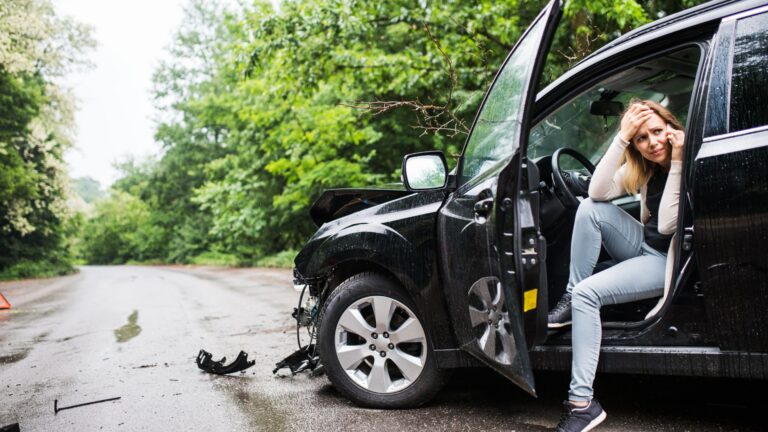
Leander Car Accident Attorneys
Car collisions cause overlapping medical complications and financial disruptions that affect employment stability, family responsibilities, and future earning capacity. Leander car accident attorneys are often contacted after medical symptoms get worse, vehicle repair estimates rise, and liability disputes complicate. Delayed diagnoses, escalating repair costs, and conflicting fault narratives can significantly change how compensation is evaluated and negotiated. Baker Matthews Law analyzes collision mechanics, injury progression, and documented losses to construct claims that reflect the full impact of a crash under Texas law.
Legal strategy in a car accident case must begin with evidence preservation and accurate damage modeling rather than reactive negotiations. Leander car accident attorneys at Baker Matthews Law organize crash data, treatment timelines, and economic projections into a structure designed to withstand insurer resistance. Call (512) 474-0100 or visit our contact page to speak directly with a team that will evaluate the facts of your collision and explain how a disciplined legal approach can protect your financial position.
Common Causes Of Car Accidents In Leander
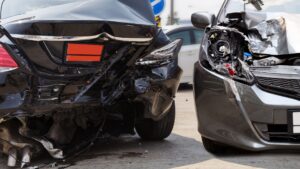
Car accidents in Leander often result from preventable driving behavior combined with traffic flow patterns, rapid residential growth, and increased commuter congestion. Leander car accident attorneys analyze crash reports, roadway design, and driver conduct to identify the precise cause of each collision rather than relying on general assumptions. Determining the root cause of a crash is critical because liability depends on showing how a specific act or omission violated a recognized safety obligation under Texas law. A focused causation analysis strengthens both settlement posture and trial readiness.
Understanding the most common accident triggers in Leander also helps injured drivers recognize how negligence occurs in real world traffic conditions. Leander car accident attorneys review patterns across intersection collisions, rear end impacts, and multi vehicle crashes to identify recurring risk factors. This data driven approach ensures that each case is grounded in measurable behavior rather than speculation. Clear identification of cause establishes the foundation for every injury claim.
Distracted Driving In High Traffic Corridors
Distracted driving remains one of the leading contributors to collisions in Leander, particularly along busy intersections and developing residential corridors where drivers divide attention between navigation devices and traffic flow. Leander car accident attorneys examine phone records, vehicle data modules, and witness statements to determine whether delayed reaction time contributed to impact. Even brief inattention can reduce braking distance and increase collision severity, especially in stop and go traffic conditions. Proving distraction often requires digital evidence that aligns with physical crash reconstruction findings.
Cell Phone Use And Texting While Driving Accidents In Leander
Attorneys may seek records demonstrating active phone use during the moments preceding a collision. Timestamped data can reveal texting, application use, or call activity that coincides with braking delays. Objective digital proof strengthens negligence arguments.
How Texting While Driving Reduces Reaction Time Before A Crash
Crash reconstruction analysis can demonstrate how a driver’s failure to brake or steer aligns with distraction evidence. Attorneys coordinate expert evaluation to show how reduced reaction time directly caused the collision. This technical alignment reinforces liability.
Speeding And Aggressive Driving Behavior
Excessive speed reduces reaction time and increases stopping distance, particularly in areas where traffic patterns shift rapidly during peak hours. Leander car accident attorneys analyze skid marks, vehicle damage patterns, and event data recorder information to determine whether speed contributed to the crash. Aggressive behaviors such as tailgating, unsafe lane changes, and abrupt acceleration frequently precede rear end and side impact collisions. Speed related crashes often produce more severe injuries due to higher force transfer.
How Speeding Causes Serious Car Accidents In Leander
Attorneys evaluate roadway markings, impact angles, and electronic vehicle data to estimate pre collision speed. Expert analysis may be necessary when damage severity exceeds reported speeds. Physical measurements often contradict initial driver statements.
Why High Speed Collisions Lead To More Severe Injuries
Higher speeds increase kinetic energy transferred during impact, which directly influences injury patterns. Attorneys connect medical documentation with collision force analysis to demonstrate severity. This linkage strengthens damage valuation.
Failure To Yield And Intersection Collisions
Intersection crashes frequently occur when drivers misjudge traffic signals, ignore right of way rules, or attempt unsafe left turns. Leander car accident attorneys review traffic camera footage, signal timing data, and witness accounts to determine which driver failed to yield appropriately. Miscalculated turns and improper merging maneuvers often lead to side impact collisions that expose occupants to significant injury risk. Establishing right of way violations remains central to proving fault in these cases.
Running Red Lights And Failure To Yield Accidents In Leander
Attorneys analyze whether traffic control devices were visible, operational, and obeyed at the time of the collision. Signal timing records may clarify whether a driver entered an intersection unlawfully. Documentation of signal violations strengthens negligence claims.
Who Is At Fault In A Leander Intersection Car Accident
Drivers involved in intersection crashes frequently provide opposing accounts of light color or right of way. Attorneys compare physical evidence and independent witness testimony to identify inconsistencies. Objective analysis limits credibility disputes.
Impaired Or Fatigued Driving
Alcohol impairment, drug use, and driver fatigue significantly reduce judgment, coordination, and reaction time. Leander car accident attorneys review toxicology reports, field sobriety results, and officer observations when impairment is suspected. Fatigue related crashes often resemble distracted driving because delayed responses and drifting lanes occur. Establishing impairment can involve both criminal documentation and civil liability analysis.
Drunk Driving And DWI Car Accidents
Police reports may contain observations regarding odor of alcohol, slurred speech, or failed sobriety tests. Attorneys examine these records carefully to determine evidentiary value. Criminal findings often influence civil liability positioning.
How Alcohol And Fatigue Impair Driving Performance
Impairment and fatigue decrease a driver’s ability to respond appropriately to traffic conditions. Expert testimony may explain how reaction times and coordination are affected. Clear explanation strengthens causation arguments.
How Texas Comparative Fault Laws Affect Leander Car Accident Claims
Texas follows a modified comparative fault system that directly influences how compensation is calculated after a car accident. Under this framework, an injured driver may still recover damages even if partially responsible for the crash, but recovery is reduced in proportion to assigned fault. Leander car accident attorneys analyze every allegation of shared responsibility carefully because crossing the fifty percent threshold under Texas law can eliminate recovery entirely. Understanding how comparative fault operates is essential when evaluating settlement offers and litigation strategy.
Insurance carriers frequently rely on comparative fault arguments to reduce payout exposure, particularly in collisions involving lane changes, intersection disputes, or rear end impacts. Leander car accident attorneys review crash reports, physical evidence, and witness accounts to prevent inflated fault allocations that unfairly diminish compensation. A disciplined response to comparative fault claims preserves negotiating leverage and protects the long term value of an injury case.
How Fault Percentages Are Assigned After A Crash
Fault percentages are typically determined through insurance investigations, police findings, and ultimately jury evaluation if litigation proceeds. Leander car accident attorneys assess whether the evidence supports the percentages proposed by insurers or whether those figures reflect negotiation strategy rather than objective analysis. They examine traffic law compliance, roadway positioning, braking data, and driver conduct to determine whether a client’s actions legally contributed to the collision. Proper allocation of responsibility remains central to preserving recoverable damages.
How Insurance Companies Calculate Comparative Negligence
Insurance adjusters often rely on crash diagrams, driver statements, and preliminary reports when assigning fault percentages. These early evaluations may overlook digital vehicle data or independent witness testimony. Attorneys challenge unsupported percentages by introducing additional documentation.
What Happens If You Are More Than Fifty Percent At Fault In Texas
Texas law bars recovery if an injured party is found more than fifty percent responsible for the accident. This threshold makes accurate fault analysis critical in contested cases. Attorneys structure evidence carefully to prevent exaggerated responsibility claims.
Common Situations Where Comparative Fault Is Raised
Comparative fault arguments frequently arise in intersection collisions, multi vehicle pileups, and merging accidents where both drivers allege right of way violations. Leander car accident attorneys investigate signal timing, roadway markings, and dash camera footage to clarify the sequence of events. They also analyze whether sudden braking or unsafe lane changes played a role in impact dynamics. Identifying the precise timeline of conduct reduces ambiguity in fault allocation.
Intersection And Left Turn Accident Disputes
Left turn collisions often involve competing claims regarding signal color and visibility. Attorneys review physical evidence and traffic patterns to determine whether a driver failed to yield. Objective reconstruction limits speculative blame shifting.
Rear End Collisions And Sudden Stop Allegations
Although rear drivers are commonly presumed at fault, insurers may argue that sudden or improper stopping contributed to impact. Attorneys examine braking distances and following intervals to evaluate these defenses. Detailed analysis prevents automatic percentage assignments.
Strategies To Reduce Unfair Fault Allocation
Defending against comparative fault requires proactive evidence development and structured argument presentation. Leander car accident attorneys gather electronic data recorder information, surveillance footage, and expert reconstruction analysis to counter exaggerated responsibility claims. They also prepare clients thoroughly for recorded statements and depositions to ensure clarity and consistency. Strategic preparation limits opportunities for insurers to exploit ambiguity.
Using Crash Reconstruction To Clarify Responsibility
Accident reconstruction experts analyze vehicle movement, impact angles, and roadway conditions to determine how the crash occurred. Their findings often clarify discrepancies between driver statements and physical evidence. Expert input strengthens liability positioning.
Protecting Compensation Under Texas Proportionate Responsibility Rules
Preserving compensation requires keeping assigned fault below the statutory bar threshold. Attorneys sequence evidence to emphasize the opposing driver’s primary negligence. Clear presentation safeguards the client’s financial recovery.
Steps To Take Immediately After A Car Accident In Leander
The actions taken in the minutes and days following a crash often influence how liability is evaluated and how compensation is calculated. Leander car accident attorneys frequently review post accident conduct to determine whether critical evidence was preserved or unintentionally compromised. While safety and medical care remain the immediate priority, documentation and communication decisions can significantly affect the strength of a future claim. Understanding what to do next reduces uncertainty during a chaotic situation.
Car accident claims weaken when drivers rely solely on police reports or assume that insurance companies will conduct a complete investigation independently. Leander car accident attorneys encourage structured documentation and cautious communication to protect legal positioning from the outset. Prompt, informed steps can prevent disputes regarding fault, injury severity, or treatment timelines. Careful post crash conduct lays the groundwork for a stronger recovery process.
Seek Immediate Medical Evaluation
Even when injuries appear minor, underlying trauma such as concussions, internal injuries, or soft tissue damage may not present immediate symptoms. Leander car accident attorneys often see cases where delayed medical care allows insurers to argue that injuries were unrelated to the crash. Seeking evaluation promptly creates a documented medical baseline that connects symptoms to the collision. Early treatment also protects long term health outcomes.
Why Delayed Medical Treatment Can Harm Your Claim
Insurance carriers frequently question injury legitimacy when treatment gaps appear in medical records. A delay in evaluation may be interpreted as evidence that the injury lacked severity. Prompt medical documentation strengthens causation arguments.
Why Reporting Of Symptoms Is Important To Your Claim
Accurate reporting of symptoms ensures that medical records reflect the full scope of injury. Patients should describe pain levels, limitations, and any changes in condition clearly. Detailed documentation prevents future disputes about symptom progression.
Document The Scene And Preserve Evidence
Photographs, video recordings, and witness information collected at the scene can become critical evidence later. Leander car accident attorneys rely on scene documentation to reconstruct crash mechanics and establish fault. Skid marks, vehicle positioning, traffic signals, and roadway conditions may change quickly after the incident. Immediate documentation preserves an accurate snapshot of events.
What Photos To Take After A Leander Car Accident
Drivers should photograph vehicle damage, license plates, roadway markings, traffic signs, and surrounding intersections. Wide angle images and close up damage details both serve important purposes. Visual records often clarify disputed liability claims.
How To Collect Witness Information Properly
Independent witnesses can provide unbiased accounts of the collision. Drivers should gather names, phone numbers, and brief summaries of observations when possible. Early collection prevents loss of critical testimony.
Communicate Carefully With Insurance Companies
Insurance adjusters may request recorded statements shortly after a crash, sometimes before injuries are fully evaluated. Leander car accident attorneys caution against providing detailed statements without understanding potential legal consequences. Casual remarks about fault or injury severity may later be interpreted against the claimant. Controlled communication protects claim integrity.
Should You Give A Recorded Statement After A Crash
Providing a recorded statement without preparation may create inconsistencies in later testimony. Insurance representatives often ask leading or broad questions designed to limit exposure. Legal guidance reduces the risk of misinterpretation.
Avoiding Early Settlement Agreements
Initial settlement offers may not account for long term medical needs or income disruption. Accepting payment prematurely can prevent recovery of future expenses. Careful evaluation ensures that compensation reflects the full impact of injury.
Track Expenses And Injury Progression
Accurate record keeping strengthens a claim by documenting financial losses and symptom development over time. Leander car accident attorneys encourage clients to maintain organized files containing medical bills, repair estimates, wage records, and treatment summaries. Tracking daily limitations and recovery progress also supports non economic damage claims. Organized documentation simplifies negotiation and litigation preparation.
Keeping A Detailed Injury And Expense Journal
Recording symptoms, missed workdays, and treatment appointments creates a clear timeline of recovery. Consistent documentation enhances credibility during settlement discussions. Organized records reduce evidentiary disputes.
Preserving Repair And Replacement Documentation
Vehicle repair invoices, rental car receipts, and towing bills should be retained carefully. These documents verify property damage and related expenses. Comprehensive records ensure accurate financial calculation.
How Leander Car Accident Attorneys At Baker Matthews Law Prepare Cases

Preparing a car accident case requires more than compiling police reports and medical bills because liability disputes and damage calculations must align within a structured legal framework. Leander car accident attorneys at Baker Matthews Law approach preparation as a phased process that integrates investigation, medical analysis, and strategic timing. This structured methodology reduces the likelihood of overlooked evidence and strengthens negotiation posture before litigation becomes necessary. Organized preparation often determines whether an insurer views the claim as routine or high exposure.
Case preparation also involves anticipating defense arguments before they surface during negotiations or discovery. Leander car accident attorneys evaluate potential comparative fault claims, medical causation challenges, and damage disputes at the outset. By identifying vulnerabilities early, they reinforce the evidentiary foundation before presenting formal demands. Strategic preparation positions the case for either settlement or trial readiness.
Conducting A Structured Collision Investigation
Every strong case begins with a thorough investigation that reconstructs how the collision occurred and which party breached traffic safety obligations. Leander car accident attorneys collect crash reports, roadway measurements, digital vehicle data, and witness statements to build a factual sequence of events. They also examine whether distracted driving, speeding, or failure to yield contributed to the impact. A methodical reconstruction limits ambiguity in fault allocation.
Analyzing Vehicle Data And Physical Evidence
Modern vehicles often contain electronic data that records speed, braking, and seatbelt usage before impact. Attorneys work with qualified experts to interpret this information alongside physical crash scene measurements. Objective data strengthens liability arguments.
Preserving Surveillance And Dash Camera Footage
Video evidence from nearby businesses or private vehicles can clarify signal timing and vehicle positioning. Attorneys act quickly to request and secure footage before deletion occurs. Timely preservation prevents evidentiary loss.
Aligning Medical Evidence With Impact Mechanics
Accurate case preparation requires clear alignment between collision forces and documented injuries. Leander car accident attorneys review diagnostic imaging, surgical records, and physician evaluations to confirm that medical findings correspond with crash dynamics. They may consult specialists to clarify injury causation when symptoms evolve over time. This coordination reduces disputes over whether injuries stemmed from the accident.
Clarifying Causation Through Physician Documentation
Treating providers must document how the trauma produced specific medical conditions. Attorneys request supplemental clarification when records lack detail regarding mechanism of injury. Clear causation strengthens both negotiation and litigation positioning.
Addressing Preexisting Conditions Strategically
Insurance carriers often argue that symptoms relate to prior medical history rather than the collision. Attorneys compare pre accident records with post accident findings to demonstrate aggravation or new injury. Structured comparison limits defense leverage.
Building A Comprehensive Damages Model
Preparing a case also requires calculating economic and non economic losses with precision. Leander car accident attorneys compile medical expenses, wage loss documentation, and projected future costs into a structured financial model. They incorporate expert analysis when injuries affect long term earning capacity or require ongoing care. Comprehensive modeling ensures that settlement discussions reflect the full scope of loss.
Verifying Financial Documentation Thoroughly
Attorneys review pay records, tax filings, and employer statements to confirm income disruption accurately. They align these figures with documented medical restrictions. Verified data enhances credibility.
Preparing For Settlement Or Trial From The Outset
Case preparation proceeds with the understanding that negotiation may fail and litigation could follow. Attorneys organize exhibits, expert opinions, and witness testimony early to avoid reactive strategy shifts. Early readiness increases leverage.
Maintaining Consistency Across All Case Components
Consistency between liability evidence, medical documentation, and financial projections remains critical throughout preparation. Leander car accident attorneys cross reference every component to eliminate contradictions before presenting demands. They also prepare clients carefully for recorded statements and depositions to ensure clarity and accuracy. Coordinated consistency strengthens overall case integrity.
Reviewing Documentation For Internal Accuracy
Attorneys examine timelines, treatment notes, and wage calculations for alignment. They correct discrepancies before opposing counsel identifies them. Early correction prevents credibility challenges.
Reinforcing Narrative Cohesion Before Negotiation
A coherent narrative explains how negligence caused measurable harm without gaps or contradictions. Attorneys organize supporting evidence chronologically to reinforce clarity. Strong narrative structure influences settlement posture.
Get a Free Consultation From Baker Matthews Law’s Leander Car Accident Attorneys
Leander car accident attorneys at Baker Matthews Law examine braking data, medical timelines, wage disruption, and projected treatment needs before calculating the true financial exposure of a crash. That level of preparation changes how insurers evaluate risk and how compensation discussions unfold.
Every car accident case carries a unique combination of liability evidence and injury progression that deserves individualized analysis rather than formula based negotiation. Leander car accident attorneys organize documentation so that liability and damages remain aligned from the start through potential litigation. Call (512) 474-0100 or visit our contact page to speak directly with Leander car accident attorneys who will review the facts of your crash and explain the legal pathways available for pursuing recovery.