
South Austin 18-Wheeler Crash Hospitalizes One
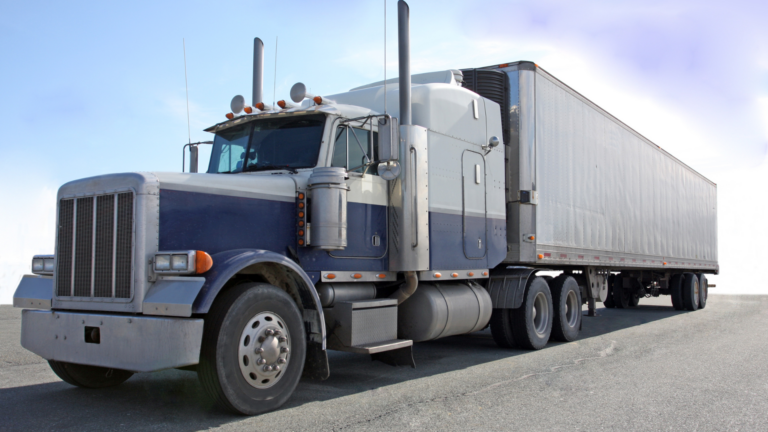
A crash involving an 18-wheeler shut down northbound I-35 in South Austin early Friday, sending one person to the hospital with serious injuries, according to CBS Austin. Austin Police Department officials said the crash happened on I-35 near the Slaughter exit before 4:30 a.m. The 18-wheeler driver was injured but not hospitalized, while another person was taken to the hospital with serious injuries. Lanes reopened just before 11 a.m., according to police, after remaining closed for several hours while emergency crews worked the scene.
An 18-wheeler crash like this one demonstrates how quickly a commercial truck collision on a busy interstate corridor can produce serious injuries and widespread disruption for commuters and victims alike. The I-35 corridor through South Austin carries enormous traffic volumes every day, making crashes involving large commercial vehicles especially dangerous and consequential for everyone involved. At Baker Matthews Law, we understand how overwhelming the aftermath of a serious truck crash can be for injured victims and their families. If you or a loved one has been hurt in a South Austin 18-wheeler crash, call us today at (512) 900-5599.
How a Lawyer Helps After a South Austin 18-Wheeler Crash
A South Austin 18-wheeler crash creates legal complexities that injured victims and families are rarely equipped to handle on their own, particularly while managing serious injuries and financial pressure at the same time. At Baker Matthews Law, we work closely with injured individuals to investigate the circumstances surrounding the collision, review crash reports, identify all potentially responsible parties, and build a well-supported claim from the very beginning. Commercial truck crashes regularly involve multiple liable parties including drivers, trucking companies, maintenance providers, and insurers whose legal teams begin protecting their interests from the moment the crash occurs.
Our team carefully evaluates medical records, employment impacts, regulatory compliance records, and all available evidence to ensure that the full scope of our clients’ harm receives accurate and thorough representation. We also recognize that large commercial trucking insurers employ experienced adjusters and attorneys who work aggressively to minimize payouts, making strategic and proactive legal involvement critically important. Throughout every stage of the process, we provide clear communication, dedicated attention, and assertive advocacy so our clients can focus on recovery while we pursue the accountability and compensation they deserve.
Common Causes of a South Austin 18-Wheeler Crash
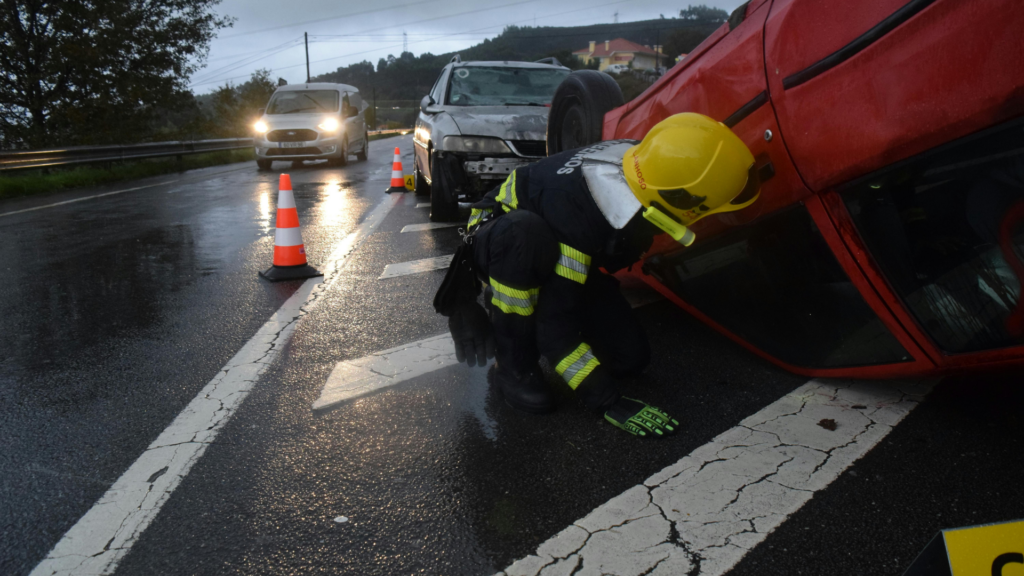
South Austin 18-wheeler crashes can occur for a wide range of reasons, and identifying the specific contributing factors helps determine which parties bear legal responsibility for the resulting injuries and losses. The I-35 corridor near Slaughter presents particular challenges for commercial truck operators due to high traffic volumes, frequent merging movements, construction activity, and early morning low-visibility conditions. Driver behavior, vehicle maintenance failures, regulatory violations, and roadway design issues may all play roles in causing or worsening a commercial truck crash. Understanding these common causes early in the investigation helps injured victims and their attorneys identify the most effective legal strategies for pursuing fair and complete compensation.
Distracted and Inattentive Truck Driving
Distracted driving poses an especially grave danger when the vehicle involved is a large commercial 18-wheeler capable of causing catastrophic harm to other road users. Truck operators who use mobile devices, adjust dispatch communication equipment, or interact with navigation systems while traveling at highway speeds divert the attention that responsible commercial driving requires at every moment. Even a brief distraction lasting only a few seconds can prevent a driver from noticing slowing traffic, construction lane shifts, or vehicles merging onto the freeway from an entrance ramp. Investigators examining a South Austin 18-wheeler crash will commonly review phone records, cab-mounted camera footage, and dispatch communication logs to determine whether distraction contributed to the collision. This evidence can prove decisive in establishing the driver’s negligence and the trucking company’s failure to enforce safe driving policies.
Mobile Device Use and Dispatch Communication
Federal regulations specifically prohibit commercial truck drivers from using handheld mobile devices while operating their vehicles. Drivers who violate these regulations by texting, calling, or interacting with dispatch systems through handheld devices increase collision risk significantly. Reviewing phone records and electronic communication logs frequently reveals whether prohibited device use occurred in the moments before a South Austin 18-wheeler crash. Additionally, cab-mounted cameras and electronic logging device data may capture driver behavior that corroborates or contradicts the driver’s account of what occurred. This type of digital evidence often provides some of the most compelling and objective proof available in commercial truck crash cases.
Truck Driver Fatigue and Hours-of-Service Violations
Driver fatigue represents one of the most well-documented and dangerous causes of commercial truck crashes on high-speed corridors like I-35 through South Austin. Federal hours-of-service regulations exist specifically to limit the consecutive hours that commercial drivers may operate without mandatory rest, yet scheduling pressures and industry demands frequently motivate drivers and companies to push those limits. A fatigued driver experiences significantly reduced reaction time, impaired judgment, and diminished awareness of changing traffic conditions at precisely the moments when attentive driving matters most. Early morning crashes like the one near Slaughter are particularly consistent with fatigue-related incidents, when drivers are most likely to be operating at the end of a long overnight shift. Reviewing electronic logging device records, dispatch schedules, and driver log books frequently reveals whether hours-of-service violations contributed to a South Austin 18-wheeler crash.
Pressure From Trucking Companies to Ignore Rest Requirements
Some trucking companies impose unrealistic delivery deadlines or create financial incentives that effectively pressure drivers to skip mandated rest periods and continue operating beyond safe limits. When a company’s culture or explicit instructions encourage drivers to violate federal rest regulations, the company bears independent liability for the crashes that result. Reviewing dispatcher communications, delivery schedules, and company policies often reveals whether organizational pressure contributed to driver fatigue in a particular case. This evidence directly implicates the trucking company in addition to the individual driver, meaningfully expanding the scope of available compensation for injured victims. Identifying company-level negligence is one of the most important steps an experienced South Austin 18-wheeler crash attorney can take on a client’s behalf.
Speeding and Aggressive Driving by Commercial Truck Operators
Speeding on the I-35 corridor through South Austin dramatically increases both the likelihood of a collision and the severity of its consequences when a large commercial truck is involved. Trucks traveling above posted speed limits require significantly greater stopping distances than standard passenger vehicles, and the destructive force they generate upon impact scales exponentially with speed. Aggressive driving behaviors including tailgating, unsafe lane changes, and cutting off other vehicles compound these dangers and reflect a disregard for the safety of other road users. Investigators examine speed estimates derived from physical evidence, electronic data recorders, and witness accounts when evaluating whether speeding contributed to a South Austin 18-wheeler crash. This analysis helps establish the truck operator’s negligence and supports the injured victim’s claim for full and fair compensation.
Unsafe Lane Changes and Merging on I-35
The I-35 corridor features frequent lane shifts, entrance ramp merges, and construction-related lane configurations that demand careful attention from all drivers and especially from large commercial truck operators. Trucks that change lanes without adequately checking mirrors and blind spots or without providing sufficient warning to surrounding traffic create serious collision risks for smaller vehicles traveling in adjacent lanes. When a truck’s unsafe lane change forces another driver into a barrier or causes a multi-vehicle pileup, the resulting liability falls squarely on the truck operator and the company employing them. Witness statements, dashcam recordings, and physical evidence from the crash scene help investigators establish whether an improper lane change triggered a South Austin 18-wheeler crash. This evidence forms a critical component of the liability case against the responsible parties.
Poor Vehicle Maintenance and Mechanical Failures
Commercial 18-wheelers depend on complex and heavily loaded mechanical systems that require regular, rigorous inspection and timely repair to operate safely on public roadways. Brake failures, tire blowouts, steering defects, and lighting malfunctions can all prevent a driver from maintaining control of the vehicle or responding effectively to changing traffic conditions. Federal regulations require commercial trucking companies to maintain detailed inspection and maintenance records for every vehicle in their fleet, and failures to comply with those requirements constitute independent negligence. When mechanical failures contribute to a South Austin 18-wheeler crash, both the trucking company and any third-party maintenance providers who performed deficient work may share liability. Reviewing maintenance logs, inspection records, and post-crash vehicle analysis helps attorneys identify whether mechanical negligence played a role and who bears responsibility for it.
Injuries Commonly Sustained in a South Austin 18-Wheeler Crash
A South Austin 18-wheeler crash can produce injuries of extraordinary severity due to the massive size and weight disparity between commercial trucks and the passenger vehicles they collide with. High-speed freeway impacts involving 18-wheelers generate enormous forces that the human body cannot absorb without sustaining serious trauma. Victims may experience injuries that require emergency surgery, extended hospitalization, long-term rehabilitation, and permanent lifestyle adjustments. Understanding the types of injuries that commonly result from commercial truck crashes helps victims recognize the full medical, financial, and personal impact of what they have experienced.
Severe Physical Injuries From High-Impact Truck Collisions
High-impact collisions with commercial 18-wheelers regularly produce catastrophic physical injuries that require immediate emergency medical intervention and prolonged ongoing care. The sudden and violent forces generated in these crashes affect the head, neck, spine, chest, and internal organs simultaneously and with devastating effect. Even safety features including airbags, seat belts, and reinforced vehicle frames may prove insufficient to prevent serious trauma when a loaded commercial truck delivers the full weight of its mass into a smaller vehicle. Physicians commonly evaluate multiple body systems following a truck crash to identify both obvious and hidden injuries before they worsen without treatment. Prompt and comprehensive medical evaluation following a South Austin 18-wheeler crash is critically important for both health and legal reasons.
Traumatic Brain Injuries After an 18-Wheeler Crash
Traumatic brain injuries represent some of the most serious and life-altering consequences that victims of a South Austin 18-wheeler crash may sustain. These injuries occur when the brain experiences rapid movement within the skull or direct impact with a hard surface during the collision. Victims may experience headaches, dizziness, confusion, memory problems, personality changes, and difficulty with concentration that persist long after the physical crash site has been cleared. In more severe cases, traumatic brain injuries produce lasting neurological impairment that affects a victim’s ability to work, maintain relationships, and engage in the activities that previously defined their quality of life. Early neurological evaluation and imaging help physicians assess the severity of brain trauma and guide appropriate treatment planning.
Spinal Cord and Neck Injuries After an 18-Wheeler Crash
Spinal cord and neck injuries are extremely common in South Austin 18-wheeler crashes due to the violent forward, backward, and rotational forces these collisions produce. Herniated discs, fractured vertebrae, and spinal cord damage may produce chronic pain, reduced mobility, radiculopathy, and in the most severe cases, partial or complete paralysis. Whiplash and associated soft tissue injuries in the cervical spine, though sometimes minimized by insurers, can cause persistent pain and functional limitations that affect daily life for months or years. Early medical imaging including MRI and CT scans helps physicians diagnose these injuries accurately and develop treatment plans that address both immediate and long-term needs. Thorough documentation of spinal injuries from the very beginning supports a stronger and more complete compensation claim.
Long-Term Recovery Challenges After a South Austin 18-Wheeler Crash
Recovery from the injuries sustained in a South Austin 18-wheeler crash often extends far beyond the initial emergency treatment period in ways that victims do not always fully anticipate at the outset. Ongoing physical therapy, occupational rehabilitation, specialist follow-up appointments, and pain management programs may continue for months or years following the initial crash. Physical limitations may prevent victims from returning to their previous employment or performing the household and recreational activities that previously defined their daily lives. Emotional and psychological challenges including anxiety, depression, and post-traumatic stress frequently accompany the physical recovery process and require their own dedicated professional attention. A comprehensive compensation claim must account for all of these long-term recovery challenges rather than only the most immediate and visible consequences of the crash.
What to Do After a South Austin 18-Wheeler Crash
Taking the right steps after a South Austin 18-wheeler crash can significantly protect both the physical well-being and legal rights of everyone involved in the collision. The moments and days immediately following a commercial truck crash are often chaotic and disorienting, particularly when serious injuries require immediate medical attention. However, thoughtful and timely action during this period can preserve critical evidence, establish important documentation, and strengthen the foundation of any subsequent legal claim. Understanding the most important steps to take helps victims and families avoid costly mistakes during an extraordinarily difficult period.
Seek Immediate and Comprehensive Medical Evaluation
Your health and the health of all others involved in the crash must always take absolute priority in the immediate aftermath of a South Austin 18-wheeler crash. Calling 911 and requesting emergency medical assistance ensures that trained responders can evaluate all injuries at the scene and transport anyone who requires immediate hospital care. Even when injuries appear minor initially, conditions including internal bleeding, concussion, and spinal trauma may not produce obvious symptoms until hours or even days after the collision. Prompt and thorough medical evaluation creates an essential documented record that directly connects your diagnosed injuries to the crash and provides the foundation for the compensation claim that follows.
Follow Through With All Recommended Treatment
Consistent medical care following a South Austin 18-wheeler crash demonstrates genuine commitment to recovery and directly supports the credibility and value of any legal claim. When victims skip recommended appointments, discontinue prescribed treatment, or delay follow-up care, insurance companies routinely use those gaps to argue that the injuries were less serious than the victim claims. Following all physician guidance carefully, attending all scheduled appointments, and maintaining complete and organized medical records throughout the recovery process creates the strongest possible evidentiary foundation for the compensation claim. This disciplined approach to medical care serves both the victim’s health and their legal interests simultaneously.
Report the Crash and Document the Scene
Contacting law enforcement immediately after a South Austin 18-wheeler crash ensures that an official crash report receives preparation by the responding officers and that the scene is properly secured. When your physical condition allows, collecting photographic documentation of vehicle positions, road conditions, skid marks, debris patterns, lighting conditions, and visible injuries provides valuable support for the investigation that follows. Gathering the truck operator’s personal information, commercial driver’s license details, company identification, vehicle registration, and insurance information creates an essential foundation for identifying all responsible parties. Obtaining witness names and contact information from anyone who observed the crash may also provide critical supporting testimony as the legal process develops.
Avoid Providing Recorded Statements to Insurance Companies
Insurance adjusters representing the trucking company and its carriers typically attempt to contact injured victims very shortly after a South Austin 18-wheeler crash to gather information and assess their financial exposure. Declining to provide recorded statements or accept any settlement offer before speaking with an experienced attorney protects your legal rights during the critical early period when important decisions are being made. Statements made to adjusters without legal guidance can be used to minimize the apparent severity of your injuries or shift partial blame onto you in ways that significantly reduce the compensation you ultimately receive. Consulting an attorney before engaging in detailed discussions with any insurance representative ensures that your communications remain strategically sound and do not inadvertently undermine your claim.

Evidence That Strengthens a South Austin 18-Wheeler Crash Claim
Strong and comprehensive evidence frequently determines the outcome of a South Austin 18-wheeler crash claim, particularly when well-resourced trucking companies and their insurers contest liability aggressively. Attorneys must establish how the crash occurred, which parties bear responsibility, and the full extent of the victim’s injuries and financial losses through credible and well-preserved documentation. Multiple categories of evidence work together to build a complete and persuasive picture of what happened on I-35 near Slaughter and who should be held financially accountable. Prompt evidence preservation is especially critical in commercial truck cases because some records, including dashcam footage and electronic logging data, may be overwritten or destroyed without a timely formal preservation demand.
Electronic Data and Commercial Vehicle Records
Commercial 18-wheelers carry multiple electronic systems that capture objective data about vehicle operation in the moments leading up to a crash. Event data recorders document speed, braking activity, throttle position, and steering inputs in ways that cannot easily be disputed or recharacterized after the fact. Electronic logging device records show the driver’s hours of service history and whether federal rest requirements were followed in the days preceding the crash. GPS tracking data from the truck itself may establish the vehicle’s route, stops, and travel patterns in the hours before the collision. Accessing and preserving all of this electronic data quickly after a South Austin 18-wheeler crash requires formal legal action and represents one of the most important early steps an experienced attorney can take.
Surveillance Footage, Photographs, and Witness Accounts
Traffic cameras, business surveillance systems, and dashcam recordings from other vehicles on I-35 near Slaughter may have captured the collision itself or the events immediately preceding it. Attorneys and investigators must act quickly to obtain this footage before recording systems automatically overwrite older files according to their standard retention schedules. Photographs of vehicle damage, roadway conditions, skid marks, debris patterns, and the overall crash scene provide additional visual documentation that supports accident reconstruction analysis. Witness statements from other drivers, passengers, and bystanders who observed the crash provide important perspective on vehicle speeds, lane positions, and driver behavior in the moments before impact. Combining all of these evidence sources creates the most complete and credible foundation for establishing liability in a South Austin 18-wheeler crash claim.
Medical Records and Expert Testimony
Comprehensive medical documentation directly connects the injuries a victim sustained to the forces and circumstances of the South Austin 18-wheeler crash and establishes their nature, severity, and expected long-term impact. Treatment records, diagnostic imaging results, surgical reports, and physician opinions all contribute to an accurate and credible damages calculation that reflects the true cost of the victim’s injuries. Expert testimony from accident reconstruction specialists helps establish how the crash occurred and which party’s conduct caused it, providing objective scientific support for the liability arguments the attorney presents. Medical experts can project future treatment costs, ongoing care needs, and the long-term functional limitations the victim will face, ensuring that the compensation demand accounts for the full duration and scope of the recovery. This combination of thorough medical documentation and qualified expert analysis substantially strengthens both settlement negotiations and any subsequent litigation.
Contact an Experienced South Austin Semi-Truck Crash Lawyer
After a serious collision with an 18-wheeler on I-35, injured victims face medical recovery, financial pressure, and legal complexity at the very worst possible time. At Baker Matthews Law, we work closely with South Austin 18-wheeler crash victims to review the full circumstances of the collision, preserve critical evidence, identify every liable party, and build a thorough and well-documented claim that accurately reflects the true cost of our clients’ injuries and losses.
Our team investigates trucking company records, driver logs, maintenance histories, and all available electronic data to ensure that every aspect of the negligence that produced the crash receives proper legal attention. We handle all communications with commercial trucking insurers and their legal teams so our clients can focus fully on recovery without the added burden of navigating an adversarial claims process alone. We remain fully prepared to pursue litigation whenever insurance companies refuse to offer fair and adequate compensation that genuinely reflects our clients’ needs. If you or a loved one has been injured in a South Austin 18-wheeler crash, call today at (512) 900-5599 or reach out online for a free case consultation to discuss your legal options.