
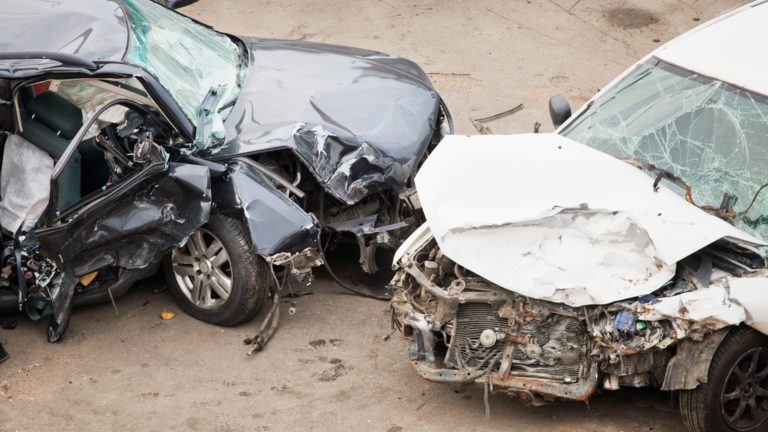
Fatal Single-Vehicle Leander Accident Closes Roadway for Hours
A late night crash in Leander claimed one life and forced the closure of RM 2243 for several hours while emergency crews responded, based on CBS Austin reporting. According to local reports, the fatal single-vehicle crash occurred late at night, prompting law enforcement and first responders to secure the area and investigate the scene. Authorities worked through the night to manage traffic disruptions and document evidence connected to the collision. Officials confirmed that one person died as a result of the crash, though investigators continue reviewing factors that may have contributed to the incident. The roadway eventually reopened after crews completed their investigation and cleared the scene.
Our team at Baker Matthews Law understands that tragic accidents can leave families facing overwhelming grief, uncertainty, and unexpected financial pressures. Our legal team provides compassionate guidance while carefully investigating every detail surrounding a serious crash. We work to identify contributing factors, protect critical evidence, and help families understand their legal options moving forward. In addition, our attorneys handle complex insurance issues and pursue accountability when negligence plays a role. If your family needs trusted legal support after a devastating accident, call us today at (512) 900-5599 for a free consultation and learn how our team can help.

Why Legal Support Matters After a Fatal Single-Vehicle Leander Accident
At Baker Matthews Law, our team understands how overwhelming the aftermath of a fatal single-vehicle Leander accident can be for families. Sudden loss often creates emotional trauma while also raising difficult legal and financial questions. Families must often manage investigations, insurance issues, and potential liability concerns during an already painful time. Therefore, experienced legal guidance can help clarify rights and protect the interests of surviving loved ones.
Additionally, fatal crashes often involve complex accident investigations and multiple sources of evidence. Legal professionals can help gather reports, review roadway conditions, and evaluate whether external factors contributed to the crash. A thorough legal review helps families understand whether negligence, roadway hazards, or vehicle defects played a role. As a result, families gain clearer insight into potential legal options and the steps needed to pursue accountability.
How Investigators Determine the Cause of a Fatal Leander Crash
Determining the cause of a fatal Leander crash requires a careful and detailed investigation conducted by trained professionals. Law enforcement officers, crash reconstruction specialists, and forensic experts often collaborate to examine the circumstances surrounding the collision. Their goal involves identifying the sequence of events that led to the crash and determining whether external factors contributed. These findings can influence insurance claims, legal liability, and roadway safety improvements throughout the community.
In many cases, investigators must review several types of evidence before drawing conclusions. Physical evidence at the crash scene, vehicle damage patterns, and electronic data often provide valuable insight into the moments leading up to the collision. Witness statements may also help clarify details that physical evidence alone cannot explain. Through a thorough and methodical process, investigators work to develop a clear and accurate understanding of what occurred.
Crash Scene Analysis
Crash scene analysis often represents the first stage of a fatal accident investigation in Leander. Investigators document roadway conditions, vehicle positions, and surrounding environmental factors before clearing the area. This documentation helps preserve critical evidence that might otherwise disappear after traffic resumes. Careful observation during this stage often provides the foundation for the entire investigation.
Additionally, investigators photograph the crash site from multiple angles to capture important visual details. These images may include debris patterns, roadway markings, and surrounding infrastructure. Measurements of distances and vehicle positions also help specialists reconstruct the sequence of events. This detailed documentation ensures investigators retain accurate records for later analysis.
Skid Marks and Roadway Evidence
Skid marks and roadway evidence often reveal how drivers reacted during the moments before impact. Tire marks can indicate sudden braking, evasive maneuvers, or loss of vehicle control. Investigators measure the length and direction of these marks to estimate vehicle speed and movement. These findings can help clarify whether the driver attempted to avoid a collision or encountered a sudden hazard.
Roadway evidence may also include debris patterns and fluid spills that indicate the point of impact. Broken vehicle components and scattered fragments often reveal how the crash unfolded. Investigators carefully map these materials to understand how forces acted during the collision. This information can help determine the direction of travel and potential contributing factors.
Vehicle Impact Patterns
Vehicle damage patterns often provide important clues about how a fatal crash occurred. Investigators analyze dents, crushed areas, and deformation patterns to determine the angle and force of impact. The location of major damage may reveal whether the crash involved a rollover, fixed object collision, or roadway departure. These observations often support conclusions drawn from other evidence.
In addition, investigators may compare damage patterns with crash reconstruction models. Computer simulations sometimes recreate the collision using physical evidence collected at the scene. These simulations allow experts to test different scenarios and confirm likely crash sequences. As a result, investigators can present more reliable findings when explaining the cause of the accident.
Vehicle and Mechanical Inspections
Vehicle inspections often play an important role in fatal crash investigations. Mechanical failures, although less common, may still contribute to single-vehicle accidents. Investigators examine several components to determine whether the vehicle functioned properly before the crash. This analysis helps rule out potential defects or maintenance problems.

How Roadway Conditions in Leander Can Contribute to Serious Accidents
Roadway conditions often play an important role in serious crashes throughout growing communities like Leander. Drivers rely on safe road design, clear signage, and well maintained pavement to travel safely. When infrastructure fails to meet these expectations, accident risks can increase significantly. Investigators often examine roadway conditions carefully to determine whether environmental hazards contributed to a collision.
Additionally, rapid population growth can place significant strain on local transportation infrastructure. Expanding communities often experience increased traffic, ongoing construction, and evolving traffic patterns. These changes sometimes create confusing or hazardous driving environments for motorists unfamiliar with the area. Careful roadway planning and maintenance help reduce these risks and improve overall safety.
Furthermore, roadway hazards can affect even the most cautious drivers. Poor lighting, uneven pavement, or unclear lane markings may reduce a driver’s ability to react quickly. When these issues combine with nighttime driving or high traffic volumes, accident risks may increase substantially. As a result, investigators frequently evaluate roadway conditions when analyzing serious crashes.
Construction Zones and Changing Traffic Patterns
Construction zones frequently appear throughout developing communities as cities expand infrastructure and improve roadways. While these projects support long term safety and traffic flow, temporary work zones can create immediate driving hazards. Drivers may encounter unfamiliar lane shifts, uneven pavement, or reduced visibility in these areas. Careful navigation becomes essential when traveling through active construction zones.
Additionally, construction activity can temporarily change normal traffic patterns in unexpected ways. Drivers may need to merge suddenly or follow detours that differ from typical routes. These abrupt changes sometimes lead to confusion, especially during nighttime travel or heavy traffic periods. Clear signage and reduced speed limits help minimize these risks when properly implemented.
Reduced Visibility in Work Zones
Work zones often reduce visibility for drivers due to barriers, construction equipment, and temporary lighting conditions. Large machinery or stacked materials may block sightlines that normally remain clear. Drivers may struggle to see traffic signals, lane markings, or other vehicles ahead. These conditions can increase the likelihood of sudden braking or loss of vehicle control.
Nighttime construction work can also create challenging visual environments for motorists. Temporary lighting may produce glare or uneven illumination along the roadway. Drivers traveling at normal speeds may have limited time to react when encountering unexpected obstacles. Proper lighting and clear signage remain essential for improving safety in these areas.
Sudden Lane Shifts and Narrow Roads
Temporary lane changes often create confusion for drivers navigating construction zones. Cones and barriers may shift traffic lanes in ways that differ from the road’s normal configuration. Drivers unfamiliar with these changes may hesitate or react suddenly when approaching lane merges. Sudden steering movements can increase the risk of losing vehicle control.
In addition, narrowed lanes may reduce the margin for driver error. Vehicles traveling close together in confined spaces leave little room for corrective maneuvers. This environment becomes especially dangerous when drivers travel at higher speeds or become distracted. Effective traffic control measures help reduce these risks during construction projects.
Poor Lighting and Limited Visibility
Limited lighting conditions can significantly affect driver safety, particularly during nighttime travel. Drivers depend on roadway lighting to identify curves, intersections, and potential hazards ahead. When lighting remains insufficient, reaction time may decrease and accident risks can increase. Investigators often review lighting conditions when analyzing nighttime crashes.
Furthermore, poorly lit roadways can make it difficult for drivers to judge distance and speed accurately. Reduced visibility may prevent motorists from recognizing hazards until it becomes too late to react safely. This challenge becomes more pronounced on rural roads or highways with minimal lighting infrastructure. Improved lighting often contributes to safer driving conditions.

Immediate Steps Families Should Take After a Fatal Single-Vehicle Crash in Leander
Losing a loved one in a crash creates overwhelming circumstances that can make decision making extremely difficult. However, several important steps can help protect both emotional well being and potential legal rights. Careful documentation and organized communication can support families during this difficult time. Understanding what actions to take may also prevent complications later.
Request Official Crash Documentation
Families should request copies of official crash reports prepared by responding law enforcement agencies. These reports typically contain preliminary observations, witness statements, and diagrams describing the scene. Although investigations may still continue, early documentation provides an important starting point for understanding the incident. Obtaining these records also helps ensure important details remain preserved.
Preserve Personal Records and Information
Organizing important records can simplify the legal process following a fatal crash. Families should keep documentation related to medical care, funeral arrangements, and related expenses. Maintaining copies of correspondence with insurance companies also helps ensure clear communication. Thorough documentation often becomes essential when pursuing compensation or resolving claims.
Avoid Early Insurance Agreements
Insurance companies may contact families soon after a fatal crash while investigations remain incomplete. Adjusters sometimes request statements or present early settlement offers during this period. Accepting compensation too quickly may limit legal options or prevent families from recovering full damages. Careful evaluation and legal guidance often help families avoid unintended consequences.
Seek Guidance From Experienced Legal Professionals
Experienced legal professionals can help families understand their rights following a fatal crash. Attorneys may review crash reports, evaluate insurance coverage, and coordinate additional investigation when necessary. This guidance often reduces uncertainty during an emotionally difficult time. With proper legal support, families can focus on healing while experienced advocates handle the legal process.

Understanding Wrongful Death Claims in Texas
Texas law allows certain surviving family members to pursue wrongful death claims when negligence causes a fatal accident. These claims aim to provide financial relief and accountability for preventable tragedies. Understanding how wrongful death claims work helps families evaluate potential legal options. Careful legal analysis often becomes necessary when determining eligibility.
Who Can File a Wrongful Death Claim
Texas law generally allows spouses, children, and parents of the deceased to file wrongful death claims. These individuals may pursue compensation for losses resulting from the fatal accident. In some cases, multiple family members may participate together in a claim. Legal guidance can help families determine the appropriate course of action.
Damages Available in Wrongful Death Cases
Wrongful death claims may include compensation for several categories of damages. Families may recover funeral costs, medical expenses related to the incident, and lost financial support. Additionally, compensation may address emotional losses experienced by surviving relatives. These damages help acknowledge the profound impact of a fatal accident.
The Importance of Evidence in Fatal Crash Claims
Evidence plays a central role in wrongful death claims following fatal accidents. Crash reports, witness testimony, and expert analysis often clarify the circumstances surrounding the incident. Medical records and financial documentation may also support claims for damages. Comprehensive evidence strengthens the overall legal position for surviving families.
How Comparative Fault Can Affect Accident Claims
Texas follows a modified comparative fault system when evaluating liability in accident cases. Under this system, courts consider the actions of all parties involved in the crash. Fault percentages determine how compensation may be distributed in a legal claim. Understanding this system helps families prepare for potential legal challenges.
The 51 Percent Rule in Texas
Texas law prevents recovery if a party holds more than fifty percent responsibility for an accident. However, compensation may still remain available when fault falls below this threshold. Courts or insurance companies typically evaluate evidence when determining fault percentages. These findings can significantly influence the outcome of a claim.
Why Accurate Fault Analysis Matters
Accurate fault analysis helps prevent unfair conclusions about what caused a crash. Insurance companies sometimes attempt to shift blame to minimize financial responsibility. Thorough investigation and expert analysis often help clarify the true cause of an accident. Presenting clear evidence ensures that liability assessments remain fair and accurate.

Evidence That Can Strengthen a Fatal Crash Investigation
Evidence often determines how clearly investigators understand the cause of a fatal crash. Various forms of documentation and expert analysis may help reconstruct events leading to the incident. Careful evidence preservation becomes essential during the early stages of an investigation. Comprehensive documentation supports stronger conclusions about liability.
Police Reports and Scene Documentation
Police reports often provide the earliest official account of a crash investigation. Officers typically record roadway conditions, vehicle positions, and initial witness statements. These details often help investigators understand the sequence of events. Although preliminary, official reports remain important pieces of evidence.
Accident Reconstruction Analysis
Accident reconstruction experts analyze physical evidence to determine how a crash occurred. Their analysis may include vehicle damage patterns, roadway markings, and mechanical data. Advanced modeling techniques can recreate the moments leading to the collision. This scientific analysis often clarifies disputed questions surrounding the crash.
Electronic Vehicle Data
Modern vehicles frequently store electronic data that can reveal important details about a crash. Event data recorders may capture speed, braking activity, and steering movements before impact. Investigators often use this information to confirm or challenge other evidence. Early access to electronic data helps prevent potential loss of critical information.

Dealing With Insurance Companies After a Fatal Leander Accident
Families often face immediate contact from insurance companies after a fatal Leander accident. While insurers may appear supportive, their primary objective often involves limiting financial exposure. Therefore, families must approach every conversation carefully while protecting their legal interests. Understanding how insurance companies evaluate claims can help prevent costly mistakes during this sensitive period.
Additionally, the claims process often involves detailed investigations and extensive documentation. Insurance adjusters review police reports, medical records, and financial information before determining potential liability. Families may feel pressured to respond quickly during an emotionally overwhelming time. However, thoughtful communication and organized documentation can help prevent unnecessary disputes later.
Early Insurance Contact After a Leander Crash
Insurance representatives frequently contact families soon after a fatal Leander accident occurs. Adjusters may request recorded statements, documentation, or permission to access medical records. These early conversations can significantly influence how insurers evaluate liability and damages. Families should respond carefully and avoid speculation about events surrounding the crash.
Understanding the Purpose of Recorded Statements
Insurance adjusters often request recorded statements as part of their investigation process. These statements may appear routine, yet they often influence how insurers assess fault or liability. Adjusters sometimes ask questions designed to highlight inconsistencies or reduce claim value. Preparing carefully before speaking with insurers can help prevent misunderstandings.
Avoiding Unintentional Admissions
Families may unknowingly provide statements that insurers interpret as admissions of responsibility. Casual remarks about road conditions or driver behavior may later appear in claim evaluations. Even small details can affect how insurers assign fault percentages. Careful communication helps ensure statements remain accurate and appropriate.
Evaluating Settlement Offers After a Fatal Leander Accident
Insurance companies sometimes present early settlement offers before investigations fully conclude. These offers may appear helpful during a difficult time, yet they often undervalue the full impact of the loss. Accepting compensation too quickly may prevent families from pursuing additional damages later. Careful evaluation remains essential before signing any settlement agreement.
Understanding the Full Value of a Claim
The true value of a fatal accident claim often extends beyond immediate financial expenses. Families may face funeral costs, medical bills, and the sudden loss of financial support. Emotional damages and long term financial consequences may also influence the value of a claim. A complete evaluation helps ensure settlements reflect these broader impacts.
Long Term Financial Considerations
Fatal accidents can affect a family’s financial stability for many years. Lost income, benefits, and future career growth may create lasting economic consequences. Settlement decisions should therefore consider both immediate and long term financial effects. Thorough financial analysis helps families make informed decisions about potential agreements.
Maintaining Organized Documentation During the Claims Process
Careful documentation can strengthen a claim following a fatal Leander accident. Organized records help clarify communication with insurance companies and legal professionals. Families should maintain copies of all letters, emails, and claim documentation related to the crash. Consistent organization reduces confusion and improves the accuracy of the claims process.
Tracking Financial Expenses and Losses
Families often incur several unexpected expenses after a fatal accident. Funeral services, medical treatment, and travel costs can accumulate quickly. Maintaining receipts and financial records ensures these expenses remain properly documented. These records may later support compensation claims.
Recording Communication With Insurance Companies
Maintaining detailed records of communication helps prevent misunderstandings with insurers. Families should document the date, time, and purpose of every conversation with insurance representatives. Written notes may clarify statements made during phone calls or meetings. Consistent documentation helps preserve accuracy throughout the claim process.
The Role of Legal Representation After a Fatal Leander Crash
Legal representation can provide critical support for families navigating the aftermath of a fatal Leander crash. Attorneys help investigate accidents, evaluate liability, and communicate with insurance companies on behalf of families. Their involvement often reduces stress while protecting important legal rights. Experienced legal guidance also ensures families understand their options moving forward.
Furthermore, fatal crash cases frequently involve complex evidence and multiple parties. Legal professionals often coordinate investigations, gather documentation, and consult with expert witnesses. These efforts help build a clear and persuasive case when pursuing compensation. Structured legal advocacy often strengthens a family’s ability to seek accountability.
Comprehensive Case Evaluation After a Fatal Crash
A detailed case evaluation often forms the foundation of a successful fatal accident claim. Attorneys begin by reviewing crash reports, witness statements, and available evidence. This review helps determine potential liability and identify important legal issues. Early analysis also guides the strategy for pursuing compensation.
Reviewing Accident Reports and Evidence
Law enforcement reports often provide valuable insight into how a crash occurred. Attorneys analyze these documents alongside photographs, witness statements, and physical evidence. This process helps identify inconsistencies or unanswered questions within the investigation. Careful review strengthens the overall understanding of the incident.
Identifying Responsible Parties
Fatal crashes may involve several parties whose actions contributed to the accident. Drivers, vehicle manufacturers, and roadway maintenance authorities may share responsibility depending on the circumstances. Attorneys investigate these possibilities carefully when evaluating liability. Identifying responsible parties helps ensure all potential sources of compensation remain considered.
Gathering and Preserving Evidence in Fatal Accident Cases
Evidence preservation plays a crucial role in fatal accident investigations. Important evidence may disappear quickly if investigators fail to secure it promptly. Attorneys often act quickly to preserve documentation, video recordings, and vehicle data. Early action helps ensure that crucial details remain available.
Securing Surveillance and Electronic Data
Surveillance footage or nearby security cameras may capture important moments before a crash. Additionally, modern vehicles often contain electronic data that records speed and braking patterns. Attorneys frequently work with experts to retrieve and analyze this information. These records can help clarify how the crash occurred.
Consulting Accident Reconstruction Experts
Accident reconstruction specialists analyze physical evidence to determine how a collision happened. They review vehicle damage patterns, roadway markings, and environmental conditions. Their analysis often produces detailed reports explaining the sequence of events. Expert testimony can strengthen claims involving disputed liability.
Negotiating With Insurance Companies After a Fatal Leander Accident
Insurance negotiations often require careful legal strategy and thorough documentation. Attorneys typically prepare detailed demand packages that outline damages and supporting evidence. These documents present a clear explanation of liability and financial losses. Organized negotiation often increases the likelihood of a fair settlement.
Challenging Low Settlement Offers
Insurance companies sometimes offer settlements that fail to reflect the true impact of a fatal accident. Attorneys analyze these offers carefully and challenge valuations that undervalue damages. Negotiation strategies often rely on evidence, expert opinions, and financial analysis. Persistent advocacy helps families pursue fair outcomes.
Preparing for Litigation if Necessary
Although many cases resolve through negotiation, some disputes require formal litigation. Attorneys may file lawsuits when insurers deny liability or refuse fair compensation. Litigation allows courts to evaluate evidence and determine appropriate damages. Thorough preparation often strengthens the family’s position throughout this process.

Contact an Experienced Leander Car Accident Lawyer Today
Losing a loved one in a serious crash can leave families facing emotional pain and significant uncertainty about the future. During these moments, compassionate legal guidance can provide clarity and support when families need it most. At Baker Matthews Law, our team understands the profound challenges families experience after a fatal accident. We work diligently to investigate every detail, preserve critical evidence, and pursue accountability when negligence contributes to tragedy.
Our attorneys remain committed to protecting the rights of families while guiding them through each step of the legal process. We communicate clearly, evaluate every available legal option, and advocate for fair outcomes that recognize the true impact of a fatal accident. Families deserve experienced representation that prioritizes both justice and compassionate support during difficult times. If you have questions about your legal rights following a fatal accident, call us today at (512) 900-5599 or fill out our online form to learn how we may assist you.