
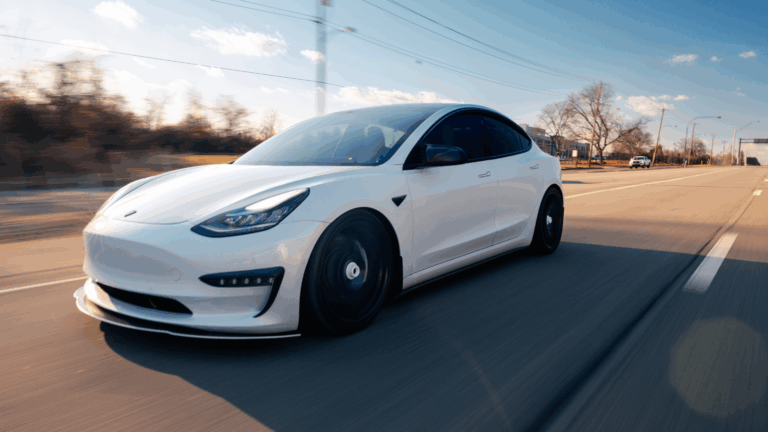
Four Austin Robotaxi Crashes Reinforce Need for Stronger Safeguards
Tesla reported four robotaxi crashes this year back in September, according to data from National Highway Traffic Safety Administration shared last month by the Austin American-Stateman. According to reports, Tesla has logged a total of at least seven accidents involving its robotaxi fleet in Austin since the program launched in June. This news comes as Tesla plans to remove safety monitors from its self-driving ride-hailing vehicles by the year’s end. The growing number of mishaps has drawn scrutiny from regulators and added pressure on Tesla. The series of crashes has also prompted renewed debate over the readiness of autonomous driving technology and the transparency of companies offering robotaxi services.
This emerging pattern of autonomous vehicle incidents highlights how an Austin rideshare crash involving self-driving technology can create risks that many passengers and motorists are not prepared for. Crashes tied to robotaxi services often leave victims facing sudden injuries, unanswered questions about liability, and concerns over the safety of developing tech on busy city streets. These situations can also complicate insurance claims because multiple parties, including rideshare companies and manufacturers, may be involved. At Baker Matthews Law, we understand how overwhelming these cases can feel and are committed to protecting the rights of those injured in rideshare-related collisions. If you or someone you care about has been affected, contact us today at (512) 474-0100 for a free and supportive consultation.
Why Legal Guidance Matters After an Austin Rideshare Crash
An Austin rideshare crash can leave victims facing confusing insurance questions, disputed liability, and unexpected medical and financial burdens, which is why Baker Matthews Law is here to help. Rideshare collisions often involve multiple parties, including the driver, the rideshare company, and other motorists, which can make determining fault far more complicated than in a typical crash. Our team understands how these cases unfold and works quickly to protect important evidence, guide clients through each stage of the claims process, and ensure that their rights remain secure. We know how challenging it can feel to navigate corporate insurers and competing stories, and we stand ready to shield our clients from tactics that may limit their recovery.
Legal guidance also helps victims avoid common mistakes that can weaken their claims or reduce available compensation. When you choose Baker Matthews Law, you gain advocates who manage communication with insurers, gather detailed documentation, and build a claim that reflects the full impact of your injuries and losses. We evaluate medical needs, lost income, long term effects, and other factors that may influence your financial recovery. Our focus is on supporting clients through this stressful time with compassionate communication and strong legal strategy. If you or a loved one has been hurt in a rideshare-related crash, we are prepared to help you pursue the justice and compensation you deserve.
Common Causes of an Austin Rideshare Crash
Common causes of an Austin rideshare crash often involve several factors that develop quickly within busy city traffic. Rideshare drivers and autonomous rideshare vehicles frequently navigate congested streets, unfamiliar routes, and constant pick up demands which increase risk. Sudden movements from nearby vehicles or unexpected pedestrian activity may create hazardous conditions instantly. Weather, road design, and technology features may also influence how collisions occur. Understanding these causes helps victims recognize what may have contributed to their crash.
Distracted Driving Among Rideshare Drivers
Rideshare cars often rely on constant digital navigation which increases distraction risk significantly. Drivers may look at routing apps that require frequent attention or autonomous vehicles may rely on internal programming. Communication with passengers or app alerts may also pull focus from the roadway. These distractions reduce reaction time during critical moments. Distracted driving remains a major factor in many Austin rideshare crash investigations.
How Navigation Apps Contribute to Distraction
Navigation apps require drivers to read instructions and monitor changing routes. This process often divides attention during heavy traffic. Frequent rerouting may surprise drivers and cause sudden movements. These distractions increase crash risk when drivers cannot focus fully. Victims often report these issues after collisions with rideshare vehicles.
Unsafe Driving Maneuvers During Pickups and Drop offs
Rideshare drivers often stop abruptly to pick up or drop off passengers. These sudden stops create risks for approaching vehicles. Drivers may swerve quickly into lanes to reach a pickup location. These actions increase danger for surrounding motorists. Many Austin rideshare crash cases involve hazardous maneuvering near pickup zones.
Why Pickup Zones Increase Collision Risk
Pickup areas are often crowded and unpredictable. Drivers may rush to reach passengers waiting curbside. Other vehicles may not anticipate sudden stops or lane changes. These conditions increase the likelihood of rear end impacts or side collisions. Safer stopping areas can help reduce these risks.
Fatigue Among High Hour Rideshare Drivers
Rideshare drivers often work long hours which increases fatigue related impairment. Fatigue reduces alertness and slows reaction time significantly. Drivers may struggle to concentrate during long shifts on busy roads. These challenges increase crash likelihood during late hours. Fatigue remains a consistent factor in many rideshare collision reports.
How Fatigue Affects Driver Awareness
Tired drivers often overlook important roadway cues. They may misjudge distances or fail to notice lane changes. Fatigue reduces decision making speed noticeably. These impairments create dangerous situations in fast moving traffic. Awareness of fatigue signs helps reduce crash risk.
Technology or Automation Related Issues
Some rideshare vehicles rely on semi autonomous features that may behave unpredictably. Drivers may misunderstand how much control the technology requires. The vehicle may respond incorrectly to nearby traffic patterns. These incidents create confusion that leads to sudden hazards. Technology related problems continue to appear in Austin rideshare crash reviews.
When Drivers Rely Too Heavily on Assistance Features
Drivers may assume the system can handle complex situations alone. Overreliance reduces necessary driver attention. Assistance features may fail to detect certain obstacles. Sudden deactivation may surprise the driver during traffic. These factors contribute to dangerous outcomes.
External Conditions That Increase Crash Risk
External conditions such as weather, road construction, or heavy congestion may influence how rideshare crashes occur. Rain or fog may reduce visibility for all drivers. Roadway changes may confuse those unfamiliar with certain areas. Traffic surges during events may overwhelm drivers quickly. These conditions often intensify the challenges rideshare drivers face.
How Road Construction Impacts Rideshare Travel
Construction zones often include narrow lanes and shifting barriers. Drivers may struggle to interpret temporary signs. Sudden lane changes may occur without warning. Confusion increases crash likelihood in these areas. Rideshare drivers must adjust carefully to these conditions.
How Fault Is Determined After an Austin Rideshare Crash
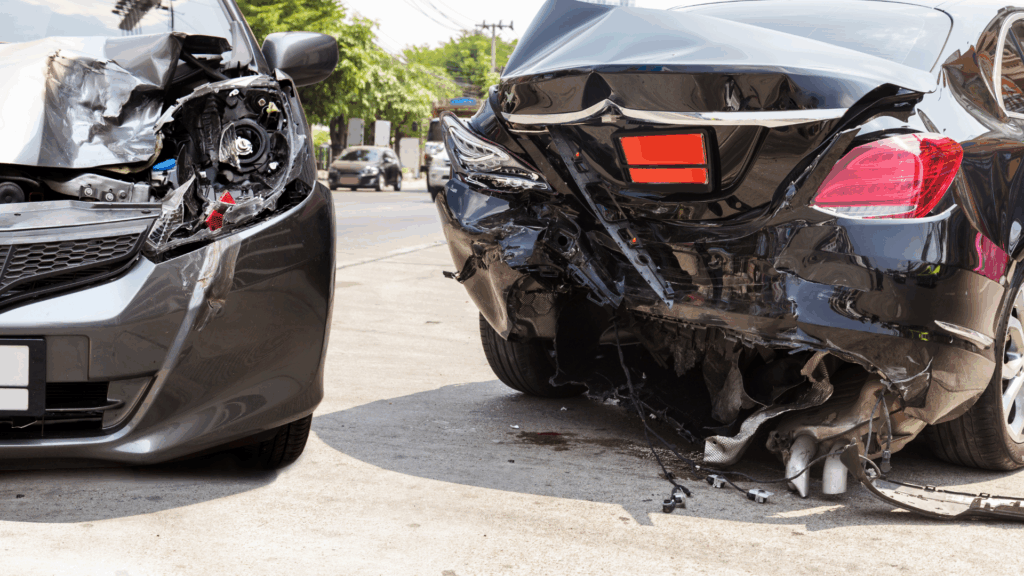
Fault in an Austin rideshare crash is determined through a detailed review of how each party contributed to the collision. Investigators must evaluate driver behavior, traffic conditions, and any available digital data from the rideshare platform. These cases often involve several individuals or companies which makes determining responsibility more complex. Insurance carriers may offer conflicting interpretations based on their own financial interests. Understanding how fault is assigned helps victims prepare for the claims process.
Evidence Used to Determine Liability
Investigators rely on various forms of evidence to understand how the crash occurred. Photographs, roadway markings, and vehicle damage patterns help illustrate important details. Rideshare apps may also hold trip data that reveals speed, location, and route information. Witness statements can support or contradict the narratives given by drivers. These pieces of evidence work together to build a clearer picture of fault.
How Rideshare App Data Helps Establish Fault
Trip data often includes precise timestamps and mapping points. These records show where the vehicle traveled before impact. Speed information may reveal unsafe driving patterns. App logs may also show distracted behavior caused by routing features. This digital evidence often becomes important in rideshare crash investigations.
Evaluating the Conduct of the Rideshare Driver
Rideshare drivers are expected to operate safely while navigating unfamiliar routes and high traffic areas. Investigators review whether the driver followed traffic laws and responded appropriately to surrounding vehicles. Distraction caused by navigation apps may influence responsibility. Sudden lane changes or unsafe stops may also contribute to fault. These behaviors frequently appear in Austin rideshare crash reports.
When Driver Negligence Becomes the Primary Factor
Negligence may include speeding, distraction, or unsafe maneuvering. These actions often increase crash risk significantly. Investigators identify these behaviors through witness accounts and physical evidence. Attorneys challenge inaccurate claims when drivers are unfairly blamed. Clear evidence helps determine fault accurately.
Assessing the Other Driver’s Role in the Collision
Fault is not always limited to the rideshare driver because other motorists may contribute to the crash. Another driver may fail to yield, make abrupt movements, or engage in aggressive behavior. These actions complicate fault determination. Investigators evaluate each driver’s conduct and compare it with roadway conditions. This helps determine how responsibility should be shared.
How Conflicting Statements Affect Fault Decisions
Drivers often describe events differently which creates challenges during investigations. Witness accounts may help clarify these conflicts. Physical evidence may also support one version over another. Attorneys review all statements carefully to identify inconsistencies. Accurate interpretation helps ensure fair fault assignments.
Understanding When the Rideshare Company May Share Responsibility
Rideshare companies may share fault depending on how their platform influenced the event. App design may encourage rapid lane changes or rushed pickup attempts. Algorithms may direct drivers through congested or unsafe areas. These factors may contribute to risky conditions that lead to crashes. Evaluating platform influence helps determine whether the company holds responsibility.
How Rideshare Policies Affect Liability
Company policies may affect how drivers operate their vehicles. Some policies may pressure drivers to maintain high activity levels. Others may encourage quick responses to incoming ride requests. These influences may indirectly raise crash risk. Attorneys examine policy details to understand potential company liability.
The Role of Insurance in Fault Determination
Insurance companies conduct their own analyses of the crash which may differ from official reports. Each insurer attempts to limit financial exposure which may create disagreements. Insurance coverage levels also change depending on whether the rideshare driver was logged into the app. These variations complicate fault analysis. Attorneys help ensure that insurers evaluate the evidence fairly.
When Insurance Disputes Delay Resolution
Insurance disputes often arise when companies disagree on fault percentages. These disputes may slow the claims process significantly. Victims may face mounting expenses while waiting for a decision. Attorneys negotiate on behalf of victims to push for fair outcomes. Strong evidence helps resolve disputes more quickly.
How an Austin Rideshare Crash Can Lead to Complex Liability Questions
An Austin rideshare crash can create complex liability questions because several parties may share responsibility for the collision. Rideshare drivers follow app instructions that often influence their movements, which complicates fault analysis. Other motorists may also contribute to the crash by driving aggressively or ignoring traffic rules. Pedestrians or cyclists may be involved which adds more challenges to the investigation. These overlapping factors make determining liability significantly more difficult than in a standard collision.
Multiple Parties May Share Legal Responsibility
Rideshare drivers, other motorists, and the rideshare company itself may all play a role in the crash. Investigators must determine how each party contributed to the event. Insurance carriers often disagree on which policies apply during the collision. These disagreements create delays that frustrate injured victims. Attorneys evaluate each party’s role to help clarify responsibility.
How Shared Fault Complicates Claims
Shared fault may reduce compensation depending on each party’s responsibility level. Determining percentages becomes challenging when stories conflict. App data and witness accounts may help clarify events. Attorneys rely on detailed evidence to establish accurate fault distribution. This process supports fair financial recovery.
Rideshare App Activity Influences Liability
Liability often depends on whether the rideshare driver was logged into the app during the crash. Active rides, waiting periods, and offline moments each trigger different insurance rules. These distinctions affect which insurer must pay for injuries or losses. Understanding app status becomes essential for claim evaluation. Attorneys examine digital records to determine the correct coverage.
Why App Status Determines Insurance Coverage
Insurance coverage expands when the driver accepts a ride request. Coverage changes again when the passenger enters the vehicle. Offline status may shift responsibility to the driver’s personal insurance. These variations cause confusion for many victims. Proper review ensures the correct insurer pays the claim.
Conflicting Statements Often Delay Liability Decisions
Drivers may describe the crash differently which creates confusion for investigators. Witness recollections may vary due to stress or limited visibility. These conflicting statements make it difficult to determine what happened. Attorneys review all accounts carefully to identify inconsistencies. Clear evidence helps overcome conflicting narratives.
How Evidence Helps Resolve Conflicts
Physical evidence may contradict verbal statements. Trip data often shows precise vehicle movements. Photos and videos may support one version of events. Attorneys use these materials to establish accurate timelines. Strong evidence reduces uncertainty during liability evaluation.
Company Policies and Driver Behavior May Influence Fault
Rideshare companies set policies that influence how drivers operate on busy Austin roads. Some policies encourage quick pickups which may cause sudden lane changes. Drivers may feel pressure to accept frequent requests to maintain earnings. These conditions may contribute to unsafe driving patterns. Evaluating these factors helps determine company responsibility.
How Platform Design Affects Driver Choices
App alerts may distract drivers during critical moments. Routing instructions may direct drivers into congested or unsafe areas. The platform may encourage rapid movements to improve response times. These influences may increase crash risk unintentionally. Attorneys examine platform design to assess liability.
Independent Contractor Status Creates Additional Complications
Rideshare drivers are classified as independent contractors in most situations. This classification limits when the rideshare company may be held responsible. Victims sometimes struggle to determine when the company shares liability. Attorneys analyze contractual language and statutory guidelines to clarify these issues. Proper interpretation helps protect victim rights.
When Companies May Still Be Responsible
Companies may be responsible if their policies create unsafe conditions. They may also face liability if the app malfunctioned. Platform errors may contribute to the crash directly. Attorneys investigate these possibilities carefully. These evaluations help determine whether company liability applies.
Legal Challenges Involving Autonomous Vehicles in an Austin Rideshare Crash
Legal challenges involving autonomous vehicles in an Austin rideshare crash create significant difficulties because the technology introduces issues not seen in traditional collisions. Determining responsibility becomes harder when human and automated systems share control. Victims may not know whether the software, the safety driver, or the rideshare company contributed to the crash. These cases often involve complex technical evidence that requires detailed analysis. Understanding these challenges helps victims recognize why autonomous vehicle claims demand careful legal preparation.
Determining Whether Human or Automated Systems Were at Fault
Fault analysis becomes complicated when a vehicle uses both human input and automated controls. Investigators must determine which system controlled the vehicle during the crash. Software logs may show when the automation engaged or disengaged. Human drivers may not react quickly if they misunderstand the system’s behavior. Attorneys review these interactions to identify which component contributed to the collision.
How System Logs Influence Fault Determination
Autonomous vehicles store detailed logs that document driving behavior. These logs record speed, braking, and steering activity. They also show when control shifted between human and software. Attorneys analyze this information to understand crash mechanics. These logs often become critical evidence in autonomous crash cases.
Software Errors or System Malfunctions May Create Liability
Autonomous vehicles rely on sensors, cameras, and algorithms that may malfunction. A software error may cause incorrect braking or unexpected steering. Sensor failures may prevent the vehicle from detecting hazards. These technical problems may contribute to an Austin rideshare crash. Attorneys investigate whether malfunctioning components influenced the collision.
When Manufacturers May Be Responsible for Malfunctions
Manufacturers may be liable if a defect caused the system to behave incorrectly. Defects may involve programming issues or hardware failures. Technical experts help identify these problems through detailed analysis. These findings may shift responsibility away from the driver. Determining manufacturer liability requires strong technical evidence.
Rideshare Company Policies Affect Autonomous Vehicle Safety
Rideshare companies often set guidelines for how autonomous vehicles operate in real environments. These policies may determine testing areas, driver training, or safety protocols. Inadequate policies may increase crash risks unintentionally. Investigating these rules helps evaluate company responsibility. Attorneys review company procedures to identify potential safety failures.
How Training Requirements Influence Crash Prevention
Safety drivers must understand when to take control from the vehicle. Poor training may delay important reactions. Drivers may rely too heavily on automation without proper oversight. Effective training reduces these risks significantly. Attorneys evaluate training programs to identify weaknesses.
Confusion Surrounding Insurance Coverage in Autonomous Crashes
Insurance coverage becomes complicated when autonomous systems influence the event. Coverage rules may change depending on whether software or human behavior contributed to the crash. Autonomous testing programs may involve multiple insurers with different responsibilities. Victims may face delays while insurers dispute coverage. Attorneys help interpret policies to determine proper financial responsibility.
Why Insurers Often Disagree in Autonomous Cases
Insurers may argue about which policy applies to software related errors. They may also dispute whether the driver exercised enough control. These disagreements often slow the claims process significantly. Attorneys negotiate with insurers to clarify obligations. Strong evidence helps reduce disputes.
Regulatory Gaps Add More Challenges for Victims
Autonomous vehicle laws continue to evolve which creates uncertainty for victims. Regulations may not clearly define responsibilities for software, drivers, or rideshare companies. This lack of clarity makes legal claims more difficult. Victims may struggle to understand which rules apply. Attorneys interpret these regulations to support the strongest possible case.
How Changing Laws Affect Crash Claims
New regulations may shift liability standards. They may also introduce reporting requirements that help investigations. Attorneys stay updated on legal changes to protect client rights. Understanding evolving laws improves legal strategies. This knowledge is crucial for autonomous crash litigation.
Protecting Your Rights After an Austin Rideshare Crash
Protecting your rights after an Austin rideshare crash is important because early decisions strongly influence the outcome of your claim. Many victims feel overwhelmed by medical needs, insurance questions, and confusion about liability. These challenges make it easy to make mistakes that reduce available compensation. Understanding your rights helps ensure that you remain protected throughout the claims process. Taking informed steps early strengthens your case significantly.
Understanding Your Right to Decline Statements
Victims have the right to decline recorded statements from insurance adjusters after a crash. Adjusters may ask misleading or confusing questions that influence how the claim is evaluated. Speaking too soon may create statements that weaken your case. Waiting until you receive legal guidance helps protect your position. Attorneys ensure that all communication supports your best interests.
Why Early Statements Can Harm Your Claim
Stress may cause victims to describe events inaccurately. Insurers may interpret unclear statements as admissions. These interpretations may reduce compensation unfairly. Careful communication helps prevent these problems. Attorneys guide you through this process safely.
Your Right to Seek Independent Medical Care
Victims may choose their own medical providers after a rideshare crash. Independent evaluations help document injuries thoroughly. Insurance company doctors may overlook long term concerns. Accurate medical records help demonstrate the severity of injuries. These records support fair compensation for treatment needs.
Why Medical Documentation Matters for Your Case
Medical documentation shows how injuries developed over time. Consistent records strengthen the connection between the crash and the injuries. Missing records may raise questions about injury severity. Regular care helps demonstrate authentic physical impact. Attorneys rely heavily on these records when building claims.
Your Right to Access Key Crash Information
Victims can request the official crash report and related records. These documents include witness statements, diagrams, and officer observations. Reviewing this information helps clarify how the collision occurred. Errors may appear that require correction. Attorneys use these records to strengthen legal strategies.
How Crash Reports Influence Compensation
Crash reports often guide insurance evaluations. Mistakes may cause insurers to assign fault incorrectly. Attorneys help identify and correct these problems. Accurate reports improve negotiation outcomes. Proper documentation supports fair compensation.
Your Right to Fair Insurance Evaluation
Victims have the right to challenge unfair settlement offers. Insurance companies may offer quick payments that ignore long term needs. Accepting early offers may limit future recovery. Attorneys review settlement proposals to ensure fairness. Proper evaluation helps secure full compensation.
Why Victims Should Avoid Fast Settlements
Fast settlements rarely address ongoing medical care. They may ignore lost wages or future pain. Victims cannot seek additional compensation once accepted. Attorneys protect clients from accepting inadequate offers. Careful review ensures fair financial recovery.
Your Right to Hire an Attorney at Any Stage
Victims can hire an attorney immediately after the crash or at any later point. Attorneys help prevent costly mistakes and confusion. They manage communication with insurers and gather critical evidence. Their guidance reduces stress and strengthens your position. Legal representation improves outcomes significantly.
How Legal Support Protects Your Rights
Attorneys understand how insurers handle rideshare claims. They present evidence clearly and challenge weak arguments. They protect you from pressure to accept unfair results. Legal support helps maintain control of the case. Consistent advocacy ensures your rights remain secure.
Contact an Experienced Austin Rideshare Crash Attorney After a Robotaxi Accident
Robotaxi crashes create unique challenges for injured passengers and motorists because the technology, the companies behind it, and the insurance policies involved all add layers of complexity. At Baker Matthews Law, we understand how overwhelming these incidents can feel, especially when victims are left facing unclear fault, unanswered questions, and rapidly rising expenses. Our team works to uncover critical evidence, identify all responsible parties, and protect your rights from the beginning of the claims process. We know how to navigate cases involving autonomous vehicle companies, rideshare platforms, and multiple insurers, and we fight to ensure victims are not pushed into unfair settlements.
When you work with Baker Matthews Law, you gain dedicated advocates who prioritize your recovery and your long term well being. We take the time to understand the full impact of your injuries, gather essential documentation, and build a strong claim for the compensation you deserve. Our attorneys handle communication with companies and insurers so that you can focus on healing rather than stressful negotiations. If you or a loved one has been injured in a robotaxi or rideshare crash, don’t hesitate to reach out today. Call us at (512) 474-0100 or fill out our online contact form.