
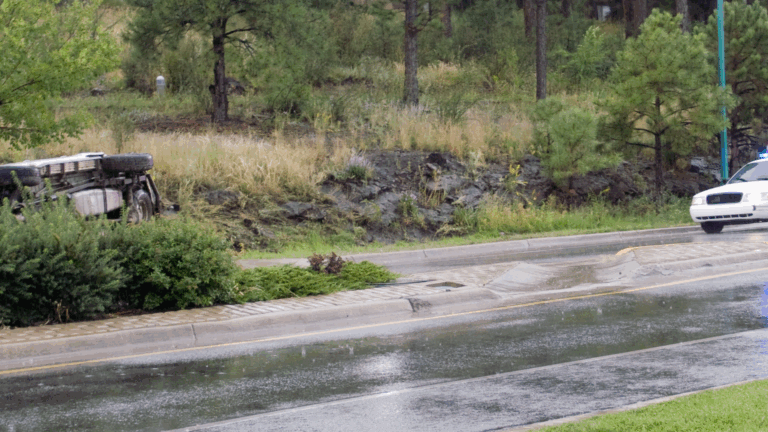
Investigation Commences Into Fatal Mustang Ridge Crash Where Car Flew Off Highway
A fatal crash in eastern Travis County early Monday morning is under investigation by law enforcement, according to CBS Austin. First responders were called to the scene along State Highway 71 near FM 973 after a vehicle reportedly left the roadway, flew off the highway, and crashed into a wooded area. Authorities confirmed that at least one person died as a result of the incident, though details about the victim’s identity and condition have not yet been released. State troopers and crash reconstruction teams remain on site gathering evidence as they work to determine what led to the vehicle leaving the roadway. Officials have not yet shared information regarding potential contributing factors, such as speed or impairment, as the investigation continues.
This tragic Austin-area crash highlights the devastating consequences that can occur when a vehicle leaves the roadway at highway speeds. When a car flies off a highway, the force of impact often leads to catastrophic injuries or loss of life, leaving families searching for answers while investigators work to determine what went wrong. These incidents raise serious concerns about roadway design, driver behavior, and whether factors such as speed, distraction, or impairment played a role. At Baker Matthews Law, we understand how overwhelming and painful fatal crash investigations can be for surviving family members. Our team is committed to helping families navigate the legal process, understand their rights, and pursue accountability when negligence may have contributed to a fatal accident. Call us at (512) 474-0100 for your crash claim.
How an Attorney Helps After a Serious Mustang Ridge Crash
Baker Matthews Law provides experienced legal support to families affected by a serious Mustang Ridge crash, helping them navigate the complex aftermath of a traumatic accident. When a severe crash occurs, victims and their families often face medical uncertainty, financial strain, and unanswered questions about how the collision happened. An attorney can help investigate the circumstances of the crash, gather critical evidence, and determine whether negligence played a role. This guidance allows families to focus on recovery while knowing their legal interests are being carefully protected.
In addition, legal representation helps ensure that injured individuals and families understand their rights under Texas law following a Mustang Ridge crash. Attorneys assist with communicating with insurance companies, evaluating damages, and identifying all potentially responsible parties. By handling these legal and administrative challenges, an attorney helps reduce stress and prevent costly mistakes during a difficult time. Experienced counsel also provides clarity and reassurance as families work through the long-term impacts of a serious accident.

Understanding the Causes of a Mustang Ridge Crash
A Mustang Ridge crash can occur for many reasons, often involving a combination of human error, vehicle issues, and environmental factors. Understanding the underlying causes helps victims and families evaluate whether negligence played a role in the collision. Many crashes are preventable when drivers, vehicle owners, and roadway planners follow safety standards. Identifying contributing factors is an important step in determining accountability and preventing similar incidents in the future.
Driver-Related Factors in Mustang Ridge Crashes
Driver behavior remains one of the most common contributors to serious crashes in Mustang Ridge. When drivers fail to operate their vehicles responsibly, the risk of a collision increases significantly. Poor decision-making behind the wheel can turn ordinary driving conditions into dangerous situations. These behaviors often form the basis of liability in crash investigations.
Speeding and Aggressive Driving
Speeding reduces a driver’s ability to react to sudden changes in traffic or road conditions. Aggressive driving behaviors such as tailgating, unsafe passing, and abrupt lane changes further increase crash risk. At higher speeds, collisions tend to cause more severe injuries and greater property damage. Speed-related crashes often raise questions about reckless behavior and disregard for public safety.
Distracted or Fatigued Driving
Distracted driving occurs when attention shifts away from the road, including texting, phone use, or interacting with in-vehicle systems. Fatigued driving can be just as dangerous, as slowed reaction times and impaired judgment resemble the effects of intoxication. Both distractions and fatigue significantly increase the likelihood of mistakes. These factors frequently play a role in serious and fatal crashes.
Vehicle and Mechanical Issues
Mechanical problems can cause a driver to lose control without warning, even when driving responsibly. Vehicles require regular maintenance to ensure safe operation. When critical systems fail, the consequences can be severe. Mechanical failures may point to negligence by vehicle owners, manufacturers, or maintenance providers.
Brake Failures and Tire Blowouts
Brake system failures can prevent drivers from slowing or stopping in time to avoid a collision. Tire blowouts, especially at highway speeds, can cause sudden loss of control. These failures often occur due to wear, defects, or improper maintenance. Investigations may focus on service records and manufacturer specifications.
Poor Vehicle Maintenance
Routine maintenance plays a key role in vehicle safety. Neglecting inspections, ignoring warning signs, or using defective parts increases crash risk. Poor maintenance may involve worn brakes, faulty steering, or malfunctioning lights. Responsibility may extend beyond the driver depending on ownership and service arrangements.
External and Environmental Causes
Environmental conditions can also contribute to Mustang Ridge crashes, especially when drivers fail to adjust their behavior accordingly. While weather and road hazards are sometimes unavoidable, proper precautions can reduce risk. When conditions are ignored, accidents become more likely. These factors often combine with driver behavior to cause collisions.
Weather Conditions and Reduced Visibility
Rain, fog, and darkness can limit visibility and reduce traction. Drivers who fail to slow down or increase following distance in poor conditions increase crash risk. Wet or slick roads make braking and steering more difficult. Weather-related crashes often involve questions about reasonable driving behavior.
Unexpected Road Hazards
Debris, animals, or sudden roadway changes can create dangerous situations. Drivers must remain alert to respond safely. Failure to react appropriately may lead to collisions. In some cases, responsibility may involve roadway maintenance or construction oversight.
Common Injuries Reported After a Mustang Ridge Crash
Injuries resulting from a Mustang Ridge crash can range from moderate to life-altering. The severity often depends on vehicle speed, point of impact, and occupant protection. Many injuries require immediate medical care followed by long-term treatment. Understanding common injury types helps illustrate the physical toll these crashes take.
Serious Physical Injuries
High-impact crashes frequently cause severe physical trauma. These injuries often require hospitalization and extensive recovery. Some may result in permanent impairment. Early diagnosis and treatment are critical for long-term outcomes.
Traumatic Brain Injuries and Head Trauma
Traumatic brain injuries occur when the head strikes an object or experiences violent movement. Symptoms may include memory loss, cognitive impairment, or personality changes. Even mild brain injuries can have lasting effects. These injuries often require specialized neurological care.
Spinal Cord and Back Injuries
Spinal injuries can affect mobility, sensation, and independence. Damage may involve the spinal cord or surrounding structures. Recovery often requires surgery, rehabilitation, and ongoing therapy. Severe cases may lead to permanent disability.
Orthopedic and Soft Tissue Injuries
Bones, muscles, and connective tissues commonly suffer damage in crashes. These injuries may limit movement and cause chronic pain. Recovery timelines vary widely. Proper treatment helps reduce long-term complications.
Broken Bones and Fractures
Fractures may occur in the arms, legs, ribs, or pelvis. Some fractures require surgical intervention and extended immobilization. Healing can take months and may limit work and daily activities. Multiple fractures increase recovery complexity.
Whiplash and Soft Tissue Damage
Whiplash results from sudden neck movement during impact. Soft tissue injuries affect muscles and ligaments throughout the body. Symptoms may worsen over time. These injuries can cause long-lasting discomfort.
Internal and Long-Term Injuries
Not all injuries are immediately visible after a crash. Internal damage may develop into serious complications. Long-term injuries can affect quality of life significantly. Ongoing monitoring is often necessary.
Internal Organ Damage
Blunt force trauma can damage internal organs such as the liver or lungs. These injuries may require emergency surgery. Symptoms sometimes appear hours after the crash. Prompt medical evaluation is essential.
Chronic Pain and Permanent Impairment
Some crash victims experience lasting pain or reduced function. Chronic conditions may limit work and daily activities. Permanent impairment can require lifestyle adjustments. Long-term care may be necessary.
What to Do Immediately After a Mustang Ridge Crash
The steps taken immediately after a crash can affect safety, recovery, and future claims. Prioritizing health and documentation is critical. Calm, informed actions help protect both physical well-being and legal rights. Knowing what to do reduces confusion during a stressful moment.
Prioritizing Safety and Medical Care
Safety comes first after any collision. Injuries may not be immediately apparent. Seeking help promptly can prevent complications. Medical records also document the connection between injuries and the crash.
Seeking Emergency Medical Attention
Emergency responders assess injuries and provide necessary care. Even minor symptoms should be evaluated. Delaying treatment can worsen outcomes. Medical documentation becomes important later.
Moving to a Safe Location When Possible
If vehicles are operable, moving out of traffic reduces further risk. Hazard lights help alert other drivers. Remaining aware of surroundings improves safety. Avoid unnecessary movement if injuries are suspected.
Documenting the Scene and Incident
Accurate documentation preserves critical information. Details may fade quickly. Gathering evidence early supports later review. This step can be invaluable.
Calling Law Enforcement and Filing a Report
Police reports provide an official account of the crash. Officers document statements, damage, and conditions. These reports often play a key role in determining fault. Requesting a copy is advisable.
Taking Photos and Collecting Witness Information
Photographs capture vehicle damage, road conditions, and surroundings. Witness contact information allows follow-up statements. Visual evidence supports factual clarity. These records strengthen documentation.
Protecting Your Rights After the Crash
Actions taken shortly after the crash can affect future outcomes. Avoiding missteps is important. Thoughtful communication helps preserve rights. Caution remains essential.
Avoiding Statements That Could Be Misused
Statements made at the scene or to insurers may be misinterpreted. Avoid speculation or admissions. Stick to factual observations. Careful communication prevents misunderstandings.
Preserving Evidence Related to the Crash
Do not repair vehicles immediately if evidence may be needed. Keep damaged items and records. Preservation helps later analysis. Evidence integrity matters.
How Liability Is Determined in a Mustang Ridge Crash
Liability determines who is legally responsible for a Mustang Ridge crash and plays a central role in whether an injured person or family may recover compensation. Under Texas law, liability is not assumed simply because a collision occurred, as courts require evidence showing that another party acted negligently or wrongfully. In many cases, responsibility may be shared among multiple drivers or even other parties, such as vehicle owners or contractors. Determining liability therefore requires a careful review of conduct, circumstances, and the chain of events leading up to the crash.
Establishing Fault Under Texas Law
Texas law relies on established legal standards to determine fault in motor vehicle crashes. These standards apply not only to drivers but also to other parties whose actions may have contributed to unsafe conditions. To establish liability, the evidence must show that a legal duty existed and that this duty was violated in a way that caused harm. Each element must be supported with facts rather than assumptions, which makes detailed analysis essential in serious crash cases.
Duty of Care and Breach of Duty
Drivers owe a legal duty of care to operate their vehicles in a reasonably safe manner under the circumstances. This duty includes obeying traffic laws, remaining attentive, and adjusting driving behavior based on road and weather conditions. A breach of duty occurs when a driver fails to meet these standards, such as by speeding, ignoring traffic signals, or driving while distracted. Proving a breach requires showing that the driver’s conduct fell below what a reasonably careful driver would have done in a similar situation.
Causation and Resulting Damages
Causation connects the breach of duty directly to the injuries or death that resulted from the crash. It is not enough to show that a driver acted carelessly, as the evidence must demonstrate that this behavior actually caused the collision and resulting harm. Damages then reflect the losses suffered, including physical injuries, financial costs, and other measurable impacts. Establishing causation and damages ensures that liability is tied to real consequences rather than speculation.
Comparative Fault Considerations
Texas follows a comparative fault system, meaning that responsibility for a crash may be divided among multiple parties. This approach recognizes that more than one factor or action can contribute to a collision. Comparative fault plays a significant role in determining how much compensation may ultimately be available. Understanding how fault is allocated helps clarify potential outcomes in Mustang Ridge crash cases.
How Shared Fault Affects Claims
When fault is shared, compensation may be reduced based on the percentage of responsibility assigned to each party. Under Texas law, an injured party generally cannot recover damages if they are found to be more than fifty percent at fault. Even smaller fault percentages can significantly affect recovery amounts. Accurate assessment of shared fault is therefore critical to evaluating a claim’s value.
The Role of Percentage-Based Liability
Courts and insurance companies assign fault percentages based on the evidence presented. These percentages determine how damages are divided among responsible parties. A fair allocation depends on a clear understanding of each party’s actions and decisions leading up to the crash. Thorough presentation of facts helps ensure that responsibility is distributed appropriately.
Evidence Used to Determine Liability
Liability determinations rely heavily on the quality and consistency of evidence. Multiple sources are often reviewed together to create a complete picture of how the crash occurred. Strong evidence helps resolve disputes about fault and reduces reliance on conflicting accounts. A detailed review of all available information is essential in serious or fatal crash cases.
Police Reports and Accident Reconstruction
Police reports often provide an initial assessment of the crash, including observations about road conditions, vehicle damage, and potential traffic violations. Accident reconstruction goes further by analyzing physical evidence to explain how the collision happened. Together, these tools help clarify vehicle movements, points of impact, and contributing factors. This information plays a significant role in determining liability.
Witness Testimony and Expert Analysis
Witnesses may offer firsthand accounts of the moments leading up to the crash, which can confirm or challenge other evidence. Expert analysis helps interpret technical details, such as vehicle dynamics, roadway design, or injury causation. Expert opinions often provide clarity in complex cases where fault is disputed. Courts frequently rely on this combined testimony to reach informed decisions about liability.
Why an Austin Car Accident Attorney Is Essential
After a serious car accident in Austin, injured individuals often face medical treatment, insurance issues, and legal uncertainty all at once. Texas car accident laws can be complex, particularly when questions of fault, damages, and liability arise. An experienced car accident attorney helps accident victims understand their rights and navigate the legal process effectively. Legal guidance provides structure and clarity during a time when decisions can significantly affect long-term recovery.
Protecting Your Rights After a Serious Car Accident
Protecting legal rights after a car accident begins immediately following the collision. Statements made to insurance companies or delays in seeking medical care can unintentionally weaken a claim. An attorney helps ensure that actions taken early in the process do not jeopardize potential compensation. This protection allows injured individuals to focus on healing rather than legal pitfalls.
Understanding Texas Car Accident Laws and Liability Rules
Texas follows a modified comparative fault system, which can reduce or eliminate compensation depending on fault allocation. Understanding how liability is determined becomes critical in multi-vehicle or disputed accidents. An attorney explains how these laws apply to specific circumstances. This knowledge helps accident victims make informed decisions throughout the claim process.
Avoiding Common Mistakes That Can Harm Your Claim
Many accident victims unknowingly harm their claims by giving recorded statements or accepting early settlement offers. Insurance companies often seek information that limits their financial responsibility. Legal guidance helps accident victims avoid these mistakes. Careful handling of communications protects the integrity of the claim.
Handling Insurance Companies and Claims Adjusters
Insurance companies play a central role in car accident claims, but their goals often differ from those of injured parties. Adjusters may minimize injuries or dispute liability to reduce payouts. An attorney serves as an intermediary, managing all communications professionally. This representation helps level the playing field.
Communicating With Insurance Providers on Your Behalf
Insurance communications require accuracy and consistency. Attorneys handle these discussions to prevent misstatements that could be used against the claimant. Professional communication ensures relevant facts are presented clearly. This approach reduces stress and protects the claim.
Preventing Low Settlement Offers and Claim Denials
Early settlement offers often fail to account for long-term medical needs or future losses. Attorneys evaluate offers carefully and push back against undervalued claims. When denials occur, legal representation helps challenge them effectively. This advocacy increases the likelihood of fair compensation.
Investigating the Accident and Preserving Evidence
A strong car accident claim depends on thorough investigation and reliable evidence. Over time, evidence can be lost, altered, or destroyed. Attorneys take steps to preserve critical information early. This preparation strengthens the overall case.
Gathering Police Reports, Medical Records, and Witness Statements
Official police reports establish key facts and timelines related to the accident. Medical records document injuries and link them to the crash. Witness statements provide independent perspectives. Together, these elements create a clearer picture of what occurred.
Securing Surveillance Footage and Crash Scene Evidence
Traffic cameras, business surveillance, and dashcams may capture important moments before or during a crash. Attorneys act quickly to obtain this footage before it is overwritten or deleted. Photographs of vehicle damage and roadway conditions also support claims. Prompt evidence collection can be decisive.

Calculating the Full Value of Your Car Accident Claim
Determining the value of a car accident claim involves more than adding current medical bills. Future treatment, long-term limitations, and quality of life changes must be considered. Attorneys analyze both immediate and ongoing losses. This comprehensive evaluation supports accurate compensation requests.
Accounting for Medical Expenses and Future Treatment
Car accident injuries may require ongoing care, rehabilitation, or future procedures. Attorneys work with medical providers to understand long-term treatment needs. These projections help ensure settlements reflect future costs. Proper valuation prevents financial shortfalls later.
Evaluating Lost Income, Reduced Earning Capacity, and Pain
Lost wages may include time missed from work and reduced ability to earn income in the future. Non-economic damages such as pain, suffering, and emotional distress also matter. Attorneys assess how injuries affect daily life and employment. This evaluation supports a complete claim.
Navigating Legal Deadlines and Procedural Requirements
Texas law imposes strict deadlines and procedural rules for car accident claims. Missing a deadline can result in loss of legal rights. Attorneys manage these requirements carefully. Proper timing ensures claims remain valid.
Meeting Texas Statute of Limitations Requirements
Most Texas car accident claims must be filed within two years. Certain circumstances may alter this deadline. Attorneys track deadlines and ensure timely filings. This diligence protects the right to pursue compensation.
Managing Court Filings and Legal Documentation
Legal claims require accurate pleadings and supporting documentation. Errors can delay proceedings or weaken cases. Attorneys prepare and review filings thoroughly. This attention to detail supports smoother case progression.
Providing Guidance Through Settlement or Litigation
Car accident claims may resolve through settlement negotiations or proceed to litigation. Attorneys advise clients on the benefits and risks of each option. Strategic guidance helps align decisions with long-term goals. Informed choices lead to better outcomes.
Negotiating Fair Settlements Outside of Court
Settlement negotiations require careful evaluation of offers and evidence. Attorneys advocate for terms that reflect the full scope of losses. Effective negotiation can resolve claims efficiently. Fair settlements reduce the need for prolonged litigation.
Preparing for Trial When Litigation Becomes Necessary
When settlement proves impossible, trial preparation becomes essential. Attorneys gather evidence, prepare witnesses, and present arguments clearly. Thorough preparation strengthens courtroom presentation. Litigation readiness ensures claims are pursued effectively.
Contact an Experienced Mustang Ridge Crash Lawyer Today
Serious crashes in Mustang Ridge can leave individuals and families facing overwhelming physical, emotional, and financial challenges. At Baker Matthews Law, we understand how disruptive and frightening the aftermath of a major accident can be, especially when injuries are severe or lives are lost. Our legal team is dedicated to helping crash victims and their families understand their rights, navigate insurance claims, and pursue accountability when negligence may have contributed to the accident. With a client-focused approach and careful attention to detail, Baker Matthews Law works to provide steady guidance during a difficult time.
Choosing the right legal representation can make a meaningful difference in how a crash case moves forward. Baker Matthews Law brings experience, compassion, and a strong commitment to protecting the interests of those affected by serious Mustang Ridge crashes. We take the time to explain the legal process, investigate the facts, and advocate for fair outcomes on behalf of our clients. If you or a loved one has been involved in a Mustang Ridge crash, contact Baker Matthews Law today to discuss your situation by calling (512) 474-0100 or reaching out online to schedule a consultation.