
Manchaca Personal Injury Lawyers
An unexpected injury can disrupt every part of your life, from your health and income to your sense of stability afterwards. Accidents in Manchaca often leave injured people facing medical treatment, time away from work, and insurance companies that are determined to protect their own interests. Baker Matthews Law helps injured individuals regain clarity during these difficult moments by providing legal guidance rooted in accountability. Our Manchaca personal injury lawyers focus on helping you understand your options and protecting your ability to pursue fair compensation.
Personal injury cases involve more than paperwork or settlement discussions. They require careful evaluation of how an accident occurred, who is responsible, and how injuries affect daily life now and in the future. Insurance companies often attempt to minimize claims by acting before the full impact of an injury is known where costs might not be fully known yet. Baker Matthews Law steps in early to protect injured people from pressure and misinformation while building claims supported by Texas law. Our Manchaca personal injury lawyers manage the legal process so you can focus on recovery rather than uncertainty. If you were injured because someone else failed to act responsibly, call (512)900-5599 or visit our contact page to speak with our Manchaca personal injury lawyers and schedule a free consultation today.
The Role of Manchaca Personal Injury Lawyers in Injury Claims
Personal injury claims involve far more than filing paperwork or negotiating a settlement number. After an accident, injured people are often dealing with medical treatment, income disruption, and uncertainty about what steps to take next. Insurance companies frequently move early to shape the claim in their favor, before the full scope of harm is understood. Manchaca personal injury lawyers play a critical role in restoring balance by stepping in early, protecting evidence, and ensuring claims are built on facts rather than pressure. Baker Matthews Law focuses on guiding injured people through this process with clarity and structure.
The role of legal representation becomes even more important when injuries have long term effects that are not immediately apparent. Many claims are undervalued because early decisions are made without understanding future medical needs or financial impact. Manchaca personal injury lawyers evaluate how an injury affects daily life, work capacity, and long term stability before compensation is discussed. Baker Matthews Law approaches injury claims as evolving matters rather than one time events. This perspective helps protect injured people from short sighted resolutions.
Explaining Legal Rights and Claim Options Clearly
After an injury, many people are unsure what rights they have under Texas law or what compensation may be available. Confusion often leads to missed opportunities or acceptance of inadequate settlements. Manchaca personal injury lawyers explain legal rights in straightforward terms so injured people understand their position. This includes outlining potential claims, responsible parties, and expected timelines. Baker Matthews Law prioritizes clarity so decisions are made with full information rather than guesswork.
Helping Injured People Understand Their Legal Protections
Texas personal injury law allows recovery for more than immediate medical bills. Compensation may include future treatment, lost earning capacity, and non economic damages. Without guidance, these categories are often overlooked. Manchaca personal injury lawyers ensure these protections are fully explained.
Preventing Early Decisions That Limit Recovery
Early statements or settlements can permanently restrict compensation options. Insurance adjusters often encourage quick resolution before injuries stabilize. Understanding rights prevents these mistakes. Baker Matthews Law helps injured people avoid decisions that weaken their claims.
Managing Communication With Insurance Companies
Insurance communication is one of the most stressful aspects of an injury claim. Adjusters may request statements, records, or authorizations that are not in the injured person’s best interest. Manchaca personal injury lawyers take over communication to prevent misstatements or pressure tactics. This role protects injured people while allowing claims to develop properly. Baker Matthews Law acts as a buffer between clients and insurers.
Handling Statements Requests and Information Demands
Recorded statements can be used to challenge liability or injury severity. Adjusters often frame questions to benefit the insurer. Legal oversight ensures responses remain accurate and limited. Manchaca personal injury lawyers manage these interactions carefully.
Reducing Stress During Medical Recovery
Recovering from an injury requires physical and emotional energy. Dealing with insurance disputes adds unnecessary strain. Removing this burden allows focus on healing. Baker Matthews Law prioritizes client well being during recovery.
Gathering and Preserving Evidence to Support Claims
Strong evidence forms the backbone of any successful injury claim. Without it, insurers can dispute responsibility or minimize damages. Manchaca personal injury lawyers identify what evidence matters most and act quickly to preserve it. This includes records, witness testimony, and documentation of injuries. Baker Matthews Law builds claims on solid factual foundations.
Identifying Time Sensitive Evidence
Accident scenes change and witnesses move on. Surveillance footage and digital records may be overwritten. Delay weakens claims significantly. Manchaca personal injury lawyers act early to secure this information.
Using Evidence to Establish Liability Clearly
Evidence connects negligent actions to resulting injuries. Clear causation reduces opportunities for blame shifting. Strong documentation supports fair valuation. Baker Matthews Law organizes evidence to present a coherent narrative.
Evaluating the Full Impact of Injuries Over Time
Injuries often affect more than physical health. Pain, reduced mobility, and emotional stress can alter daily routines and long term plans. Manchaca personal injury lawyers evaluate how injuries affect work, family life, and independence. This broader evaluation ensures compensation reflects lived experience. Baker Matthews Law focuses on long term impact rather than initial appearances.
Accounting for Future Medical and Financial Needs
Some injuries require ongoing treatment or permanent accommodations. Future costs must be projected accurately to avoid undercompensation. Medical opinions and employment analysis inform these projections. Manchaca personal injury lawyers incorporate future needs into claim strategy.
Protecting Long Term Stability Through Proper Valuation
Settlement decisions should support future stability, not just immediate relief. Underestimating impact leads to financial hardship later. Proper valuation safeguards against this risk. Baker Matthews Law prioritizes sustainable outcomes.
Types of Personal Injury Cases Handled by Manchaca Personal Injury Lawyers
Personal injury accidents in Manchaca occur in many different settings, but each involves preventable harm caused by negligence. The legal strategy required to pursue compensation depends heavily on the type of accident involved, the parties responsible, and the nature of the injuries sustained. Treating all injury claims the same can lead to missed evidence and undervalued losses. Manchaca personal injury lawyers evaluate the facts of each case individually to ensure liability and damages are addressed correctly. This tailored approach helps injured people pursue outcomes that reflect the full impact of their injuries.
Different types of injury claims also come with different evidentiary challenges and timelines. Some cases depend on traffic laws and crash data, while others require proof of unsafe property conditions or negligent business practices. Understanding these distinctions is critical when building a strong claim. Manchaca personal injury lawyers focus on identifying what matters most in each case rather than relying on generic legal assumptions. This attention to case specific details supports stronger, more resilient claims.
Car Accident Injury Claims in Manchaca
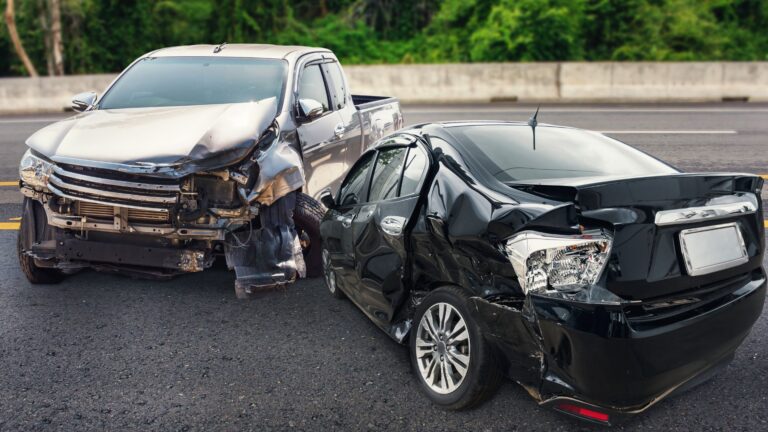
Car accidents are one of the most common sources of personal injury claims in Manchaca and often involve contested fault and disputed injuries. Even low speed collisions can cause injuries that worsen over time, especially involving the neck, back, or joints. Insurance companies frequently move quickly to limit liability before injuries fully develop. Manchaca personal injury lawyers analyze how the crash occurred and how injuries progressed rather than relying on early appearances. This approach helps prevent premature undervaluation.
Establishing Fault Through Accident Evidence
Police reports, vehicle damage, and witness statements help clarify how a collision happened. Fault may involve speeding, distraction, or failure to yield. Connecting these actions to the injuries is essential. Manchaca personal injury lawyers organize this evidence to support clear liability.
Addressing Delayed Injury Symptoms
Some injuries do not appear immediately after a crash. Soft tissue injuries and spinal conditions may worsen days or weeks later. Early documentation protects these claims. Proper timing prevents insurers from disputing causation.
Truck Accident and Commercial Vehicle Injury Claims
Truck accidents often result in severe injuries due to the size and weight of commercial vehicles. These cases frequently involve multiple responsible parties beyond the driver alone. Company policies, maintenance failures, and cargo loading practices can all contribute to unsafe conditions. Manchaca personal injury lawyers investigate these layers to prevent responsibility from being unfairly limited. A broader liability analysis strengthens recovery options.
Identifying Company and Third Party Responsibility
Commercial carriers have legal duties related to hiring, training, and vehicle maintenance. Violations are often hidden within internal records. Liability may also extend to contractors or equipment providers. Manchaca personal injury lawyers examine these relationships carefully.
Managing High Exposure Insurance Claims
Commercial insurance claims are often defended aggressively. Larger policy limits lead to increased resistance. Preparation and documentation are essential. Strategic handling helps counter delay and denial tactics.
Motorcycle Accident Injury Claims
Motorcycle accidents frequently cause serious injuries because riders lack physical protection during collisions. Riders may also face unfair assumptions about speed or risk taking. These biases can affect how claims are evaluated if not challenged early. Manchaca personal injury lawyers focus on correcting these narratives with objective evidence. Protecting riders from improper fault allocation is a key priority.
Overcoming Visibility and Assumed Risk Arguments
Drivers often claim they did not see the motorcycle. Visibility analysis and traffic conditions help address these defenses. Evidence frequently shows the rider was lawfully present. Manchaca personal injury lawyers rely on facts rather than perception.
Documenting Long Term Physical Consequences
Motorcycle injuries often involve fractures, head trauma, or permanent mobility limitations. Recovery may be prolonged or incomplete. Long term effects must be documented carefully. Accurate valuation depends on this documentation.
Premises Liability and Slip and Fall Injury Claims
Property owners have a duty to maintain safe conditions for visitors. When hazards are ignored, serious injuries can occur. Slip and fall cases often involve disputes over notice and maintenance practices. Manchaca personal injury lawyers investigate whether dangerous conditions existed long enough to require correction. Clear proof strengthens these claims.
Proving Unsafe Property Conditions
Photographs, maintenance logs, and witness statements help establish hazardous conditions. Timing and location are critical factors. Evidence must show the hazard was foreseeable. Manchaca personal injury lawyers focus on this analysis.
Linking Injuries Directly to Property Negligence
Falls can cause fractures, head injuries, or spinal damage. Medical records help connect the injury to the incident. Clear causation prevents liability disputes. Proper documentation supports recovery.
Types of Compensation Available in Manchaca Personal Injury Cases
Compensation in personal injury cases is intended to address both immediate losses and long term consequences caused by an accident. Medical expenses, income disruption, and ongoing limitations often extend far beyond the initial injury period. Many claims are undervalued because only short term costs are considered during early negotiations. A thorough compensation analysis examines how injuries affect daily life, financial stability, and future earning capacity. This approach ensures recovery reflects the full scope of harm rather than surface level expenses.
Different categories of compensation apply depending on the nature of the injury and how it impacts the injured person’s life. Some losses are financial and easily documented, while others involve physical pain or emotional hardship that develop over time. Insurance companies frequently attempt to narrow compensation to what can be calculated quickly. Comprehensive evaluation prevents important losses from being overlooked. Accurate valuation depends on understanding how injuries evolve rather than relying on early assumptions.
Medical Expenses and Ongoing Treatment Costs
Medical expenses form the foundation of most personal injury compensation claims. Emergency care, diagnostic testing, hospitalization, and follow up appointments can accumulate rapidly after an accident. Many injuries also require long term treatment that extends well beyond initial recovery. Rehabilitation, therapy, and specialist care often continue for months or years. Compensation must account for both current and anticipated medical needs.
Accounting for Future Medical Care
Future medical care may include additional procedures, physical therapy, or pain management services. These needs are often not fully known during early recovery stages. Medical opinions help project long term treatment requirements. Accurate projections prevent undercompensation. Future care must be included deliberately.
Preventing Insurers From Minimizing Treatment Needs
Insurance companies frequently argue that future care is speculative or unnecessary. Medical documentation helps counter these claims effectively. Clear treatment projections strengthen compensation demands.
Lost Income and Reduced Earning Capacity
Income loss often begins immediately after an injury due to missed work or reduced hours. Some injuries prevent a full return to previous employment duties. Long term earning capacity may be affected permanently depending on physical or cognitive limitations. Compensation must reflect both temporary income loss and future earning reductions. Employment history plays a critical role in this evaluation.
Evaluating Long Term Employment Impact
Injuries may limit physical stamina, concentration, or mobility required for certain jobs. Career changes may be necessary due to permanent restrictions. These changes often result in lower lifetime earnings. Employment analysis helps quantify these losses accurately. Long term impact should never be underestimated.
Including Employment Benefits and Advancement Losses
Lost income extends beyond base wages alone. Benefits, bonuses, and advancement opportunities may also be affected. These losses accumulate over time and require documentation.
Pain Suffering and Quality of Life Losses
Pain and suffering compensation addresses the physical discomfort and emotional distress caused by an injury. These losses are personal and cannot be measured through bills or receipts alone. Chronic pain, sleep disruption, and emotional strain often interfere with daily routines. Quality of life may be reduced significantly after serious injuries. Compensation recognizes these non economic harms.
Documenting Daily Life Disruptions
Daily activities may become difficult or impossible after an injury. Tasks such as driving, exercising, or household responsibilities may require assistance. These disruptions illustrate real impact beyond medical diagnoses. Personal documentation supports these claims. Clear examples strengthen valuation.
Addressing Emotional and Psychological Effects
Emotional distress often accompanies physical injury. Anxiety, depression, or fear may develop during recovery. These effects deserve consideration in compensation analysis.
Other Recoverable Damages in Personal Injury Claims
Some damages do not fit neatly into standard categories but still create real financial strain. Household service losses may require hiring outside help during recovery. Out of pocket expenses often accumulate over time. Property damage may also be part of the overall claim. These additional losses deserve careful attention.
Compensation for Household and Support Needs
Injuries may prevent individuals from completing routine household tasks. Outside assistance may become necessary temporarily or permanently. These costs add up quickly. Documentation helps establish their necessity. Compensation should reflect these needs.
Accounting for Incidental and Out of Pocket Expenses
Travel costs, medical supplies, and adaptive equipment often create unexpected expenses. These costs are rarely included automatically. Careful tracking supports recovery of these losses.
How Manchaca Personal Injury Lawyers Protect Claims From Insurance Companies
Insurance companies are involved in nearly every personal injury claim, but their goal is to reduce payouts whenever possible. Adjusters often contact injured people quickly to obtain statements, limit documentation, and steer the claim toward early settlement. These early interactions frequently occur while medical symptoms are still developing and financial stress is increasing. Manchaca personal injury lawyers protect claims by controlling communication, preserving evidence, and preventing insurers from defining the story first. This protection helps ensure liability and damages are evaluated using complete information rather than rushed assumptions.
Insurance tactics commonly include fault shifting, narrow interpretations of medical records, and delays intended to pressure acceptance of lower offers. Many injured people are unaware that a single recorded statement or poorly timed settlement can permanently limit compensation. Claims are also weakened when evidence is not preserved and witnesses become difficult to locate. Manchaca personal injury lawyers reduce these risks by managing the claim strategically from the beginning. This approach keeps the case focused on documented facts and provable losses.
Controlling Communication and Recorded Statements
Insurance adjusters often request recorded statements soon after an accident, presenting them as routine steps in the claims process. These recordings frequently lock injured people into incomplete descriptions because symptoms and diagnoses may still be unfolding. Adjusters then use selective quotes to dispute liability, minimize injuries, or suggest inconsistencies later. Manchaca personal injury lawyers protect claims by handling communication and limiting statements to accurate, verified information. This reduces opportunities for insurers to reshape the claim using early mischaracterizations.
Limiting Disclosures to Relevant and Verified Details
Not every request from an insurer requires an immediate response. Details must be reviewed for accuracy and relevance before they are provided. Unnecessary information can create disputes that distract from liability and damages. Controlled disclosure reduces the chance of harmful misinterpretation.
Preventing Misuse of Early Recorded Statements
Early statements are often given before medical treatment fully stabilizes. Insurers may later argue that new symptoms are unrelated or exaggerated. Preventing premature recordings protects credibility and preserves causation arguments.
Preventing Premature and Undervalued Settlements
Early settlement offers are common in injury claims and are frequently made before future treatment needs are known. These offers often cover only the most visible expenses, such as initial medical bills, while ignoring long term limitations. Accepting an early settlement usually ends the claim permanently, even if additional medical complications arise later. Manchaca personal injury lawyers protect claims by evaluating offers against the full injury timeline rather than immediate financial pressure. This approach prevents injured people from trading long term stability for short term relief.
Evaluating Settlement Timing Against Injury Progression
Injuries often evolve as diagnostic testing and specialist evaluations continue. Future procedures, therapy, or restrictions may not be apparent during early recovery. Settlement timing should reflect medical stability and clearer projections of future needs. Waiting for complete documentation supports more accurate valuation.
Identifying Costs That Early Offers Commonly Ignore
Early offers often exclude future physical therapy and follow up care. They frequently ignore reduced earning capacity and ongoing pain related limitations. A proper review identifies these omissions and prevents irreversible underpayment.
Challenging Fault Shifting and Liability Disputes
Insurance companies frequently reduce payouts by disputing fault or assigning partial responsibility to the injured person. Comparative fault arguments can significantly lower compensation, even when evidence does not support blame shifting. These disputes often rely on incomplete crash narratives, selective witness accounts, or exaggerated interpretations of ordinary driving behavior. Manchaca personal injury lawyers protect claims by building liability arguments around objective evidence rather than adjuster assumptions. This reduces the chance that compensation is reduced through unsupported allegations.
Using Evidence to Establish Responsibility Clearly
Police reports, photographs, and witness statements often clarify how an incident occurred. Physical evidence such as damage patterns can show direction of travel and impact mechanics. Consistent documentation helps connect negligent conduct to the injuries sustained. Evidence based liability arguments limit opportunities for insurers to dispute responsibility.
Responding to Unsupported Comparative Fault Allegations
Comparative fault claims should be supported by credible and consistent evidence. When insurers rely on speculation, early rebuttal prevents unfair reductions from becoming bargaining anchors. A careful response keeps negotiations focused on provable conduct and causation.
Preventing Misleading Medical Record Interpretations
Medical records are central to injury claims, but insurers often interpret them narrowly to reduce payment. Adjusters may argue that treatment was unnecessary, that symptoms were mild, or that gaps in care prove recovery. Delayed symptoms are also used to claim that injuries were unrelated to the accident. Manchaca personal injury lawyers protect claims by presenting medical timelines with context that explains progression and necessity. This helps ensure records are read accurately rather than selectively.
Clarifying Treatment Necessity and Symptom Development
Many injuries require follow up testing before full diagnosis is confirmed. Pain and functional limitations can intensify after initial inflammation and shock subside. Treatment progression often reflects medical necessity rather than personal preference. Clear timelines help demonstrate why care was reasonable and related.
Addressing Claims About Preexisting Conditions
Insurers often claim that symptoms existed before the incident. Medical history and documented changes after the event help distinguish new injuries from prior conditions. Proper documentation reduces the effectiveness of preexisting condition defenses.
Maintaining Claim Readiness to Deter Delay Tactics
Insurance companies assess risk throughout a claim and often delay when they believe the injured person lacks support or documentation. Delays are used to increase financial pressure and encourage acceptance of lower settlements. Claims that are organized and thoroughly documented are harder to stall without consequence. Manchaca personal injury lawyers protect claims by maintaining readiness through structured evidence files and complete damages documentation. This makes delay tactics less effective and keeps negotiations tied to facts.
Demonstrating Seriousness Through Organized Case Development
Clear liability evidence and consistent medical documentation increase insurer exposure. Organized damages records reduce disputes about value and causation. Trial ready preparation communicates that the claim will not be abandoned due to delays. This posture influences how insurers evaluate settlement risk.
Using Deadlines and Documentation to Counter Stalling
Insurers often stall by requesting repeated paperwork and unnecessary authorizations. Organized responses and clear documentation reduce opportunities for repetitive delay. A disciplined approach keeps the claim moving toward meaningful negotiation.
The Strategy Baker Matthews Law Uses in Manchaca Personal Injury Claims
Personal injury claims require a carefully structured strategy because early decisions often shape the outcome long before settlement discussions begin. Insurance companies commonly act quickly after an accident to influence narratives, control information flow, and limit potential financial exposure. Baker Matthews Law approaches personal injury claims in Manchaca by prioritizing investigation, documentation, and timing rather than speed or convenience. This strategy protects injured people from making irreversible decisions before the full medical and financial consequences are understood. Each claim is treated as an evolving legal matter that requires ongoing assessment rather than a single transactional event.
Rather than applying a standardized process to every case, the firm evaluates how the injury occurred, how liability should be established, and how damages may develop over time. Medical conditions often change, treatment plans evolve, and long term limitations may not be apparent during early recovery stages. Strategy must remain flexible enough to respond to new evidence without weakening the claim’s foundation. Early assumptions are avoided to prevent underestimating future needs. This approach helps ensure decisions are based on complete and accurate information.
Early Case Development and Evidence Control
Early case development is essential because critical evidence can disappear or degrade within days of an accident. Accident scenes may be altered, vehicles repaired, and surveillance footage overwritten if preservation steps are delayed. Witness availability often decreases as time passes, reducing the reliability of later statements. Establishing structure early helps prevent gaps that insurance companies frequently exploit during negotiations. A strong evidentiary foundation supports liability arguments and damages analysis throughout the claim.
Identifying and Preserving Critical Evidence
Accident reports, photographs, digital records, and witness statements often form the factual backbone of an injury claim. Each category of evidence contributes to explaining how the incident occurred and who bears responsibility. Delayed collection increases the risk of incomplete or missing records. Early preservation strengthens causation and credibility. Comprehensive documentation limits opportunities for dispute.
Preventing Evidence Loss or Manipulation
Once evidence is altered, repaired, or destroyed, recovery may be impossible. Vehicles may be removed from service and hazardous conditions corrected without documentation. Opposing parties may restrict access to internal records over time. Prompt action reduces these risks significantly. Preservation safeguards claim integrity.
Liability Analysis Focused on Accountability
Liability analysis requires more than identifying the individuals involved in an accident. It involves examining conduct, policies, and omissions that created unsafe conditions leading to injury. Clear accountability prevents responsibility from being diluted through unsupported comparative fault arguments. Each potentially responsible party must be evaluated independently. This analysis directly influences available compensation.
Examining Conduct and Legal Duties
Different personal injury cases involve different legal standards and duties of care. Drivers, property owners, and businesses are held to specific obligations under Texas law. Reviewing conduct against these standards clarifies fault and responsibility. Breaches must be connected directly to the injury. This clarity strengthens liability positions.
Addressing Comparative Fault Arguments Early
Comparative fault arguments are commonly used to reduce settlement values. These arguments often rely on incomplete or misleading interpretations of events. Early analysis prevents improper blame allocation. Limiting unjustified fault protects claim value. Careful evaluation remains essential.
Injury Evaluation Based on Long Term Impact
Injury evaluation must extend beyond initial diagnoses and emergency treatment records. Many injuries worsen over time or reveal secondary complications during recovery. Chronic pain, mobility restrictions, and emotional strain frequently emerge after initial stabilization. Early evaluations often fail to capture these developments. Long term perspective prevents undervaluation.
Coordinating Medical Records and Treatment Progression
Medical documentation should reflect consistent treatment and symptom progression. Treatment timelines help demonstrate necessity and causal connection to the accident. Gaps in care are often misinterpreted by insurers. Organized records clarify the injury’s evolution. Accurate documentation supports damages valuation.
Recognizing Non Obvious Consequences of Injury
Not all injury consequences are immediately visible or easily quantified. Sleep disruption, cognitive difficulties, and emotional distress affect daily functioning significantly. These impacts influence work performance and personal relationships. Recognizing them strengthens damage analysis. Comprehensive evaluation ensures fairness.
Strategic Communication With Insurance Companies
Insurance communication directly affects how claims are evaluated and negotiated. Adjusters often seek recorded statements or broad authorizations that expose injured people to unnecessary risk. Strategic communication limits disclosures to relevant and accurate information. Timing and wording influence how evidence is interpreted. Careful handling protects claim integrity.
Controlling the Flow of Information
Not every insurer request requires immediate or unrestricted compliance. Information must be reviewed for relevance, accuracy, and potential misuse. Controlled disclosure prevents mischaracterization of injuries or liability. Thoughtful responses maintain leverage. Precision reduces unnecessary risk.
Preventing Pressure Driven Decisions
Early settlement offers rarely account for future medical or financial needs. Pressure tactics exploit uncertainty during early recovery stages. Deliberate pacing allows injuries to stabilize and documentation to mature. This approach reduces the likelihood of regret. Informed timing supports better outcomes.
Preparation for Resolution or Litigation
Preparation influences how insurers assess risk throughout the life of a claim. Claims supported by organized evidence and documented damages receive more serious consideration. Lack of preparation invites delay and undervaluation. Readiness strengthens negotiation posture. Preparation must remain consistent.
Organizing Claims With Trial Readiness in Mind
Clear liability evidence and consistent damages documentation improve credibility. Organized claims reduce uncertainty for all parties involved. Trial readiness signals commitment and seriousness. Insurers respond differently when litigation risk is apparent. This posture supports fair negotiation.
Using Readiness to Encourage Fair Resolution
Settlement discussions shift when litigation exposure becomes realistic. Preparation increases leverage during negotiations. Fairer offers often result from demonstrated readiness. This approach protects long term interests. Strategic preparation drives outcomes.
Call Baker Matthews Law for a Free Case Review From Our Manchaca Personal Injury Lawyers
An injury caused by someone else’s negligence can create uncertainty about your health, finances, and future stability. Getting clear guidance early helps protect your rights and prevent insurance companies from controlling the situation before you understand your options. Baker Matthews Law is prepared to step in, explain the process clearly, and pursue accountability based on the full impact of your injuries. Working with experienced Manchaca personal injury lawyers can help ensure your claim reflects both immediate losses and long term consequences.
You do not have to navigate medical recovery and the legal process at the same time without support. Baker Matthews Law takes the time to listen, answer questions, and guide you through each stage of the claim with care and preparation. If you were injured in Manchaca and need trusted legal guidance, call (512)900-5599 or visit our contact page to schedule a free consultation today.