
Car Accident Lawyers in Manchaca
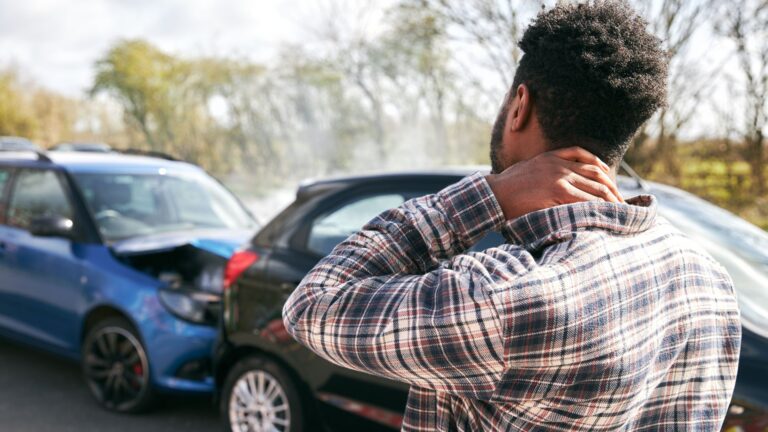
Car accidents in Manchaca can leave drivers and passengers dealing with sudden injuries, medical appointments, vehicle damage, and uncertainty about what steps to take next. Even collisions that seem minor at first can lead to ongoing pain and financial burdens as symptoms develop. Baker Matthews Law helps injured people regain clarity during these moments by stepping in early and protecting their ability to pursue fair compensation. Our car accident lawyers in Manchaca focus on helping people move forward after crashes.
Car accident claims often involve disputes over fault, injury severity, and the value of damages short-term and long-term. Statements given too early or decisions made without full information can weaken a claim permanently. Car accident lawyers in Manchaca at Baker Matthews Law evaluate how the crash occurred, how injuries affect daily life, and how insurance companies respond at each stage. We manage the legal process so injured people can focus on medical recovery while their claim is handled with preparation and care. If you were injured in a car accident, call (512)900-5599 or visit our contact page to speak with our car accident lawyers in Manchaca and schedule a free consultation today.
How Car Accident Claims in Manchaca Are Investigated
Investigating a car accident claim in Manchaca requires a methodical process that prioritizes evidence over early assumptions or insurer narratives. The quality and timing of the investigation often determine how fault is assigned and how seriously insurers treat the claim. Many crashes initially appear straightforward until closer examination reveals conflicting accounts, disputed liability, or overlooked contributing factors. A thorough investigation examines physical evidence, documentation, and injury development to understand how the collision actually occurred. This level of analysis helps ensure claims are evaluated based on verifiable facts rather than convenience.
Car accident investigations must also consider how injuries evolve after the crash rather than focusing only on conditions observed at the scene. Symptoms may worsen over time, and damage patterns may reflect forces not immediately apparent during initial assessments. Insurance companies frequently rely on incomplete investigations to justify limiting compensation. A comprehensive investigation prevents important details from being ignored or mischaracterized. Accurate fact development protects both liability findings and long-term claim value.
Reviewing Accident Scene Evidence and Physical Damage
Accident scene evidence provides critical insight into how a collision occurred and which party may be responsible. Vehicle damage patterns, debris placement, and roadway markings often reveal speed, direction of travel, and points of impact. Photographs and measurements allow reconstruction of events without relying solely on driver statements. Physical evidence frequently contradicts early assumptions made by insurance adjusters. Careful review of scene evidence strengthens fault analysis.
Analyzing Vehicle Damage and Impact Mechanics
Damage location and severity can indicate braking behavior and collision angles. Crush patterns may show whether a vehicle was moving or stationary at impact. These details help resolve disputes about how the crash unfolded. Technical analysis connects physical damage to driver conduct.
Preserving Scene Evidence Before Conditions Change
Accident scenes often change quickly due to traffic flow and cleanup efforts. Skid marks and debris can disappear within hours. Early documentation preserves critical details for later review.
Evaluating Police Reports and Official Documentation
Police reports often serve as the starting point for investigating a car accident claim. Officers rely on information available at the scene, which may be incomplete or conflicting. Reports can contain omissions or errors that affect liability assessment. Reviewing these documents critically helps identify gaps requiring further investigation. Official documentation must be considered alongside other evidence.
Understanding the Limits of Police Findings
Police reports do not always determine civil liability conclusively. Officers rarely witness the collision firsthand. Some contributing factors emerge only after additional review. Recognizing these limits prevents overreliance on initial conclusions.
Using Reports as One Component of a Broader Investigation
Police documentation provides context rather than definitive answers. Combining reports with physical and testimonial evidence improves accuracy. A broader approach strengthens liability analysis.
Collecting and Preserving Witness Statements
Witness statements often provide valuable perspective on events leading up to a collision. Neutral observers may notice traffic signals, speeding, or erratic driving behavior. Memories fade quickly, making early collection important for accuracy. Statements help corroborate or challenge driver accounts. Proper handling preserves credibility.
Identifying Independent and Reliable Witnesses
Independent witnesses usually have no personal interest in the outcome. Their observations often carry greater evidentiary weight. Identifying these individuals early improves reliability. Credible testimony strengthens fault determinations.
Documenting Statements While Recollections Remain Clear
Timing affects the accuracy and detail of witness accounts. Early documentation captures fresher recollections. Preserved statements reduce later disputes.
Analyzing Medical Records and Injury Progression
Medical records link physical injuries directly to the collision. Early treatment notes may not reflect the full extent of harm. Symptoms often evolve as recovery continues. Reviewing records over time clarifies severity and causation. This analysis prevents undervaluation of injuries.
Connecting Injury Development to Collision Forces
Medical findings must align with impact mechanics and crash dynamics. Consistency strengthens causation arguments. Apparent discrepancies require careful explanation. Thorough review protects credibility.
Addressing Delayed or Worsening Symptoms
Some injuries worsen days or weeks after a collision. Delayed symptoms are common with soft tissue and spinal conditions. Proper documentation explains progression clearly.
Reviewing Driver Conduct and Contributing Factors
Driver behavior before and during a crash often determines liability. Speeding, distraction, or failure to yield may not be obvious initially. Digital data and records help clarify conduct. Identifying contributing factors strengthens liability conclusions. Detailed review prevents oversimplification.
Examining Distraction and Traffic Law Violations
Cell phone use and signal violations frequently contribute to collisions. Records and witness testimony help reveal these behaviors. Traffic violations establish negligence clearly. Evidence based findings support fault analysis.
Considering Environmental and Roadway Conditions
Weather, lighting, and road design can influence crash dynamics significantly. These factors affect visibility and stopping distance. Proper consideration provides necessary context.
Common Causes of Car Accidents in Manchaca
Car accidents in Manchaca most often occur because drivers engage in preventable behaviors rather than because of unavoidable roadway conditions. Familiar routes, routine commutes, and a false sense of predictability frequently cause drivers to underestimate risk and lower their attention. When errors involving attention, speed, or judgment occur, even relatively low-speed collisions can lead to serious injuries. Insurance companies often attempt to generalize accident causes in ways that reduce individual accountability. A detailed examination of specific causes helps ensure responsibility is assigned accurately.
Many collisions appear simple on the surface until evidence reveals contributing behaviors that were initially overlooked. Weather, traffic flow, or road design are often cited as explanations when driver negligence is the true cause. Careful analysis separates unavoidable circumstances from negligent decisions. Identifying precise causes strengthens liability determinations and injury claims. Accurate cause analysis prevents insurers from minimizing responsibility.
Distracted Driving and Inattention
Distracted driving is one of the most common causes of car accidents in Manchaca because modern vehicles encourage drivers to divide attention among multiple competing inputs. Mobile phones, navigation screens, infotainment systems, and dashboard controls routinely pull focus away from surrounding traffic conditions. Even brief lapses in attention can prevent drivers from noticing slowed vehicles, lane changes, or intersection hazards with enough time to react safely. These moments of inattention frequently result in rear-end collisions, unsafe lane departures, or intersection crashes involving turning vehicles. Identifying distraction requires close analysis of timing, observed behavior, and available digital or vehicle-based data.
Cell Phone Use and Digital Distractions
Cell phone use while driving significantly reduces reaction time and situational awareness even when drivers believe they are multitasking effectively. Texting, calling, or interacting with applications diverts both visual focus and cognitive processing from roadway conditions. Mobile phone records often reveal usage patterns that coincide with moments leading up to impact. These records help establish distraction as a contributing factor to the collision. Digital evidence frequently plays a critical role in confirming inattention.
Cognitive Distraction Beyond Visual Focus
Drivers may keep their eyes forward while mentally focused on conversations or digital tasks. Cognitive distraction delays perception and decision-making even without visible device use. This form of inattention often explains delayed braking or steering responses.
Speeding and Unsafe Driving Speeds
Speeding contributes to many car accidents in Manchaca by reducing the time drivers have to recognize hazards and respond appropriately. Excessive speed increases stopping distance and limits the effectiveness of evasive maneuvers. Even driving slightly above posted limits can become dangerous in residential areas or congested traffic conditions. Speeding frequently combines with distraction or aggressive driving behaviors. Analyzing speed requires careful review of physical evidence and crash dynamics.
Reduced Reaction Time and Vehicle Control
Higher speeds reduce the margin for error when unexpected conditions arise. Sudden braking or steering inputs become less effective at elevated speeds. Vehicles traveling too fast are more likely to lose stability during evasive actions. Loss of control often results in multi-vehicle collisions.
Relationship Between Speed and Injury Severity
Increased speed directly amplifies the force transferred during impact. Greater force results in more severe occupant injuries. Speed analysis helps explain injury outcomes.
Failure to Yield and Intersection Violations
Failure to yield is a frequent cause of serious car accidents in Manchaca, particularly at intersections and during left-turn maneuvers. Drivers often misjudge oncoming vehicle speed or attempt to proceed without adequate clearance. These decisions place other motorists in unavoidable danger when reaction time is limited. Side-impact collisions resulting from yield violations often cause significant injuries. Determining fault requires detailed right-of-way analysis.
Misjudging Distance and Traffic Flow
Drivers sometimes assume sufficient time exists to complete turns safely. Smaller vehicles or changing traffic patterns increase miscalculation risk. These judgment errors often lead to sudden, unavoidable collisions. Evidence clarifies whether yielding rules were violated.
Ignoring Traffic Signals and Posted Controls
Disregarding stop signs or traffic signals creates immediate roadway hazards. Violations are often supported by witness testimony or camera footage. Clear violations strengthen liability findings.
Tailgating and Following Too Closely
Following too closely significantly reduces a driver’s ability to stop safely when traffic conditions change. Tailgating is especially dangerous in congested areas where sudden braking is common. Rear-end collisions frequently result from inadequate following distance. Drivers often underestimate stopping distance or overestimate reaction time. These crashes are typically preventable.
Inadequate Stopping Distance in Traffic Conditions
Safe following distance depends on speed, traffic flow, and weather conditions. Drivers who fail to adjust increase collision risk substantially. Sudden braking exposes tailgaters to unavoidable impact. Distance analysis supports negligence determinations.
Chain Reaction Collisions Caused by Tailgating
Tailgating often triggers multi-vehicle collisions involving several cars. One impact sets off subsequent collisions in close traffic. These chain reactions increase injury severity.
Impaired Driving and Poor Judgment
Impaired driving remains a significant cause of car accidents in Manchaca and involves alcohol, drugs, or medication effects. Impairment affects reaction time, coordination, and decision-making ability. Even small amounts of substances can alter perception and driving performance. These crashes often involve delayed responses or excessive speed. Evidence of impairment strengthens liability conclusions.
Alcohol and Drug-Related Impairment
Alcohol and drugs impair motor skills and judgment required for safe driving. Drivers under the influence often fail to respond appropriately to hazards. Toxicology reports and officer observations help establish impairment. This evidence supports negligence claims.
Medication Side Effects Affecting Driving Ability
Certain prescription medications impair alertness or coordination. Drivers may underestimate these effects while driving. Medical records and timing help clarify contribution.
How Baker Matthews Law Handles Car Accident Cases in Manchaca
Car accident cases require a disciplined and structured approach because early decisions often influence how insurers evaluate liability and damages long before negotiations begin. Baker Matthews Law handles car accident cases in Manchaca by focusing on investigation, documentation, and timing rather than rushing toward early resolutions that may undervalue injuries. Each case is treated as a developing legal matter that evolves alongside medical treatment and evidence discovery. This approach allows the legal strategy to adjust as new information emerges without weakening the foundation of the claim. The goal is to maintain control of the process while protecting injured people from unnecessary pressure.
Rather than relying on assumptions about fault or injury severity, Baker Matthews Law builds car accident cases around verified facts and long term impact. Attention is given to how the collision occurred, how injuries progress over time, and how insurance companies respond at each stage. This careful handling helps prevent claims from being shaped by incomplete information or insurer narratives. Every step is guided by how to preserve claim strength and accuracy. This process helps support fair outcomes grounded in evidence.
Early Investigation and Claim Development
Early investigation plays a critical role in how car accident cases are handled because evidence can change or disappear quickly. Accident scenes may be cleared, vehicles repaired, and digital data overwritten within a short period of time. Baker Matthews Law prioritizes early evidence collection to prevent gaps that insurers later exploit. This includes reviewing scene conditions, vehicle damage, and available records. Establishing a strong foundation early supports every later phase of the case.
Preserving Physical and Digital Evidence
Photographs, vehicle data, and roadway markings often provide insight into how a crash occurred. Digital records such as dash camera footage or vehicle event data may be time sensitive. Delayed preservation can result in lost information. Early action protects accuracy and credibility.
Securing Witness Accounts While Memories Are Fresh
Witness recollections fade as time passes after an accident. Early statements capture clearer details about traffic conditions and driver behavior. Preserved testimony helps support liability analysis.
Evaluating Liability With Attention to Detail
Liability determination in car accident cases often involves more than one contributing factor. Speed, distraction, right of way violations, or road conditions may all play a role. Baker Matthews Law evaluates each potential factor rather than relying on surface level conclusions. This detailed analysis helps prevent fault from being improperly assigned or minimized. Clear liability evaluation strengthens the overall claim.
Reviewing Driver Conduct and Traffic Law Compliance
Driver behavior before and during the collision is closely examined. Traffic law violations often provide objective indicators of negligence. Records and evidence help clarify these issues. Careful review connects conduct to causation.
Addressing Comparative Fault Arguments Early
Insurance companies frequently raise comparative fault to reduce payouts. These arguments must be examined critically. Early response helps prevent unsupported blame from affecting claim value.
Injury Documentation Focused on Long Term Impact
Car accident injuries often develop over time and may worsen after initial treatment. Early medical records rarely capture the full scope of harm. Baker Matthews Law documents how injuries affect mobility, work capacity, and daily life as recovery progresses. This approach ensures claims reflect lived experience rather than early snapshots. Long term impact remains central to case development.
Coordinating Medical Records and Treatment Progression
Consistent medical documentation helps demonstrate injury severity and causation. Treatment timelines show how symptoms evolve. Gaps in care are explained within proper context. Organized records support accurate valuation.
Recognizing Non Obvious Injury Consequences
Some injuries affect sleep, concentration, or emotional well being. These effects influence quality of life and work performance. Documenting them strengthens damages analysis.
Strategic Management of Insurance Communication
Insurance communication can significantly influence how claims progress and are valued. Adjusters often seek statements or authorizations that expose injured people to unnecessary risk. Baker Matthews Law manages communication to limit misinterpretation and pressure tactics. This oversight helps ensure information is provided accurately and at appropriate times. Strategic handling protects claim integrity.
Controlling Information Flow During the Claim
Not every insurer request requires immediate compliance. Information is reviewed for relevance and accuracy. Controlled disclosure reduces dispute opportunities. Precision maintains leverage.
Preventing Pressure Driven Decisions
Early settlement offers often ignore future medical or financial needs. Pressure increases vulnerability during recovery. Deliberate pacing supports informed decision making.
Preparing Each Case for Resolution or Litigation
Every car accident case is handled with preparation that accounts for the possibility of litigation. Insurance companies assess risk continuously and respond differently to well prepared claims. Baker Matthews Law maintains readiness through organized evidence and documented damages. This posture discourages delay tactics and undervaluation. Preparation supports stronger negotiation positions.
Organizing Claims With Trial Readiness in Mind
Clear liability evidence and consistent documentation improve credibility. Organized files reduce uncertainty for all parties. Trial readiness signals seriousness. This influences insurer behavior.
Using Preparation to Support Fair Resolution
Settlement discussions shift when litigation exposure is clear. Prepared cases are harder to dismiss or delay. This positioning helps support fair outcomes.
Get Your Free Consultation From Our Car Accident Lawyers in Manchaca at Baker Matthews Law
A car accident can leave you dealing with injuries, medical decisions, and financial uncertainty while insurance companies move quickly to protect their own interests. Taking action early helps preserve important evidence, clarify liability, and prevent mistakes that can weaken a claim before the full impact of the accident is known. Baker Matthews Law is prepared to step in and manage the legal process with careful attention to detail. Working with experienced car accident lawyers in Manchaca helps ensure your claim reflects both immediate losses and long term consequences.
You do not have to navigate the legal process alone while recovering from your injuries. Baker Matthews Law takes the time to understand how the accident has affected your life and to pursue compensation grounded in evidence rather than assumptions. If you were injured in a crash caused by negligence, call (512)900-5599 or visit our contact page to speak with car accident lawyers in Manchaca and schedule a free consultation today.