
Truck Accident Lawyers in Manchaca
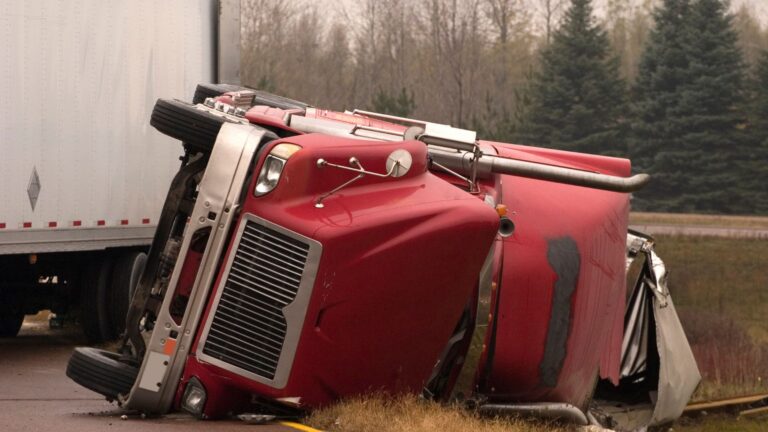
Truck accidents in Manchaca cause far more severe injuries than typical vehicle collisions because of the size, weight, and operating demands of commercial trucks. These crashes frequently involve complex questions about responsibility, including the actions of drivers, trucking companies, and third parties responsible for maintenance or cargo loading. Medical recovery can be lengthy and financial pressure often builds quickly as treatment continues and work becomes difficult or not doable. Baker Matthews Law helps injured people navigate these challenges by approaching truck accident cases with careful investigation and preparation. Our truck accident lawyers in Manchaca focus on protecting claims from early insurer pressure while building cases around evidence and long term impact.
Truck accident claims differ from other motor vehicle cases because they are governed by regulations and insurance structures. Commercial carriers rush to protect their interests, sometimes deploying investigators and legal teams within hours of a crash. Without careful handling, critical evidence can be lost and responsibility unfairly narrowed. Truck accident lawyers in Manchaca at Baker Matthews Law evaluate how the crash occurred, which parties played a role, and how injuries affect daily life now and in the future. This approach helps ensure claims reflect the full scope of harm rather than just surface level assessments. If you were injured in a collision involving a commercial truck and need help navigating the legal process, call (512)900-5599 or visit our contact page to speak with our truck accident lawyers in Manchaca and schedule a free consultation today.
What Makes Truck Accident Evidence Different From Other Vehicle Crashes
Evidence in truck accident cases differs substantially from evidence gathered in standard passenger vehicle collisions because commercial trucking operations generate extensive records before, during, and after a crash. These records often reveal operational decisions, compliance failures, or systemic issues that are not present in ordinary auto accidents. Trucking companies are subject to federal and state regulations that require documentation related to hours of service, maintenance, training, and cargo handling. When analyzed together, these materials can explain not only how a crash occurred but why it became unavoidable for other motorists. Understanding these differences is critical to evaluating responsibility accurately.
Unlike typical crashes where evidence is limited to police reports and vehicle damage, truck accidents involve layered data controlled by multiple parties. Carriers, drivers, maintenance vendors, and shippers may each possess relevant information. Insurance companies often move quickly to secure or restrict access to this evidence because it can expose broader liability. A careful approach ensures these materials are identified, preserved, and interpreted correctly. This depth of evidence is what separates truck accident claims from other vehicle cases. Truck accident lawyers in Manchaca are here to help you navigate the process and preserve all the evidence needed.
Commercial Driver Records and Logbook Data
Commercial truck drivers are required to maintain detailed records documenting their driving activity and compliance with safety regulations. These records often include hours-of-service logs, route histories, and duty status changes that reveal how long a driver had been operating before the crash. Fatigue, scheduling pressure, or falsified entries may become apparent when these records are reviewed carefully. Logbook inconsistencies can indicate regulatory violations that directly contributed to unsafe driving conditions. Evaluating these records provides insight into operational causes beyond momentary driver error.
Electronic Logging Devices and Compliance Tracking
Many commercial trucks are equipped with electronic logging devices that automatically record driving time and rest periods. These systems reduce reliance on handwritten logs but also create precise data trails. Comparing electronic logs to dispatch schedules can reveal pressure to exceed legal limits. Compliance tracking helps establish whether fatigue or overwork played a role.
Identifying Discrepancies Between Logs and Real World Conditions
Electronic data does not always tell the full story without context. Discrepancies may appear between logged rest periods and actual roadway activity. Cross-referencing logs with fuel receipts or GPS data helps clarify accuracy.
Vehicle Maintenance and Inspection Documentation
Commercial trucks require frequent inspections and routine maintenance to remain safe for operation. Maintenance records document whether brakes, tires, steering components, and safety systems were serviced properly. Failures in these areas often contribute to catastrophic crashes. Reviewing maintenance history can reveal patterns of neglect or cost cutting that increase risk. These records are rarely present in passenger vehicle cases.
Pre Trip and Post Trip Inspection Reports
Drivers are required to complete inspection reports before and after operating a commercial vehicle. These reports note mechanical issues that require attention. Unaddressed defects can demonstrate negligence by drivers or carriers. Inspection documentation often explains mechanical failure.
Linking Mechanical Defects to Crash Dynamics
Mechanical issues must be connected to how the crash occurred. Brake failure or tire blowouts often leave physical indicators. Combining inspection reports with damage analysis strengthens causation findings.
Onboard Data and Event Recorders
Many commercial trucks are equipped with event data recorders that capture information during critical moments before a crash. These devices may record speed, braking, throttle input, and engine performance. This data provides objective insight into driver behavior and vehicle response. Event recorder data often contradicts subjective accounts given after the collision. Objective measurements carry significant evidentiary weight.
Interpreting Speed and Braking Information
Speed and braking data help reconstruct the final seconds before impact. Sudden braking or lack of response may indicate distraction or fatigue. Consistency between data and physical damage supports reliability. Accurate interpretation requires technical understanding.
Preserving Electronic Data Before It Is Overwritten
Event data recorders may overwrite information after a short period. Prompt preservation is essential to prevent loss. Early action ensures critical data remains available.
Cargo Loading and Weight Distribution Evidence
Improper cargo loading can affect a truck’s stability, braking ability, and maneuverability. Weight distribution records and bills of lading reveal how cargo was arranged and secured. Overloaded or unbalanced trailers increase rollover and jackknife risk. These issues are unique to commercial trucking and often involve third parties. Cargo documentation expands the scope of liability.
Reviewing Bills of Lading and Load Manifests
Bills of lading document cargo type, weight, and origin. Discrepancies between listed and actual weight may indicate violations. Load manifests help identify responsible parties. Accurate review clarifies contribution to the crash.
Assessing Securement Methods and Shifting Cargo
Cargo must be secured according to safety standards. Improper securement allows loads to shift during transport. Shifting cargo alters vehicle dynamics and increases crash risk.
Corporate Policies and Safety Procedures
Trucking companies maintain internal policies governing scheduling, training, and safety compliance. These policies influence how drivers operate and how vehicles are maintained. Gaps between written policies and actual practices often emerge during review. Corporate decisions can create unsafe conditions long before a truck reaches the roadway. These materials provide context beyond individual driver actions.
Evaluating Training and Supervision Practices
Driver training records show whether operators were prepared for specific equipment or routes. Inadequate supervision may allow unsafe habits to continue. Training deficiencies can establish systemic negligence. Oversight practices matter.
Connecting Corporate Decisions to Roadway Risk
Operational pressure to meet delivery deadlines can encourage rule violations. Scheduling practices may prioritize efficiency over safety. Linking these decisions to crash circumstances strengthens accountability.
Common Safety Violations That Lead to Truck Accidents in Manchaca
Truck accidents in Manchaca are frequently caused by safety violations that occur well before a commercial vehicle ever enters traffic. Federal and state trucking regulations exist to prevent fatigue, mechanical failure, and unsafe operating practices, yet these rules are often ignored or inadequately enforced. When violations occur, the resulting crashes tend to cause severe injuries due to the size and weight of commercial trucks. Many of these incidents stem from systemic operational decisions rather than isolated driver mistakes. Identifying specific safety violations helps explain how preventable risks were allowed to escalate into serious collisions.
Insurance companies often attempt to attribute truck crashes to weather conditions or unavoidable roadway hazards. In reality, careful investigation often reveals violations involving scheduling pressure, neglected maintenance, improper cargo handling, or insufficient oversight. These failures increase danger for everyone sharing the road with commercial vehicles. Understanding common safety violations helps expand accountability beyond the truck driver alone. This analysis is essential for accurately determining responsibility.
Hours of Service Violations and Driver Fatigue
Hours of service regulations are designed to limit how long commercial drivers may operate before taking mandatory rest periods. When these limits are exceeded, fatigue impairs reaction time, attention, and judgment in ways comparable to intoxication. Fatigued drivers are more likely to miss traffic signals, misjudge stopping distance, or fail to respond to sudden hazards. These risks increase significantly when trucks are traveling at highway speeds or carrying heavy cargo. Fatigue-related violations remain one of the most dangerous and common safety failures.
Exceeding Federal Driving Time Limits
Federal regulations strictly cap daily and weekly driving hours for commercial operators. Violations often occur when delivery schedules prioritize speed over safety compliance. Logbooks and electronic data help identify excessive driving periods. These records frequently reveal negligence.
Dispatch Pressure and Unrealistic Schedules
Dispatch expectations may implicitly encourage drivers to exceed legal limits. Tight delivery windows reduce rest opportunities. This pressure increases fatigue-related crash risk.
Improper Vehicle Maintenance and Mechanical Defects
Commercial trucks require consistent maintenance to operate safely under demanding conditions. Brake systems, tires, steering components, and suspension parts must be inspected and serviced regularly. When maintenance is delayed or skipped, mechanical failures become more likely during operation. These failures often lead to loss of control or extended stopping distances. Maintenance violations are a frequent cause of serious truck crashes.
Failure to Repair Known Safety Issues
Inspection reports often identify defects requiring prompt correction. When these issues remain unaddressed, safety risks escalate quickly. Maintenance records help reveal patterns of neglect. Unrepaired defects support liability findings.
Inadequate Inspection Procedures
Pre-trip and post-trip inspections are required to identify safety concerns. Rushed or incomplete inspections allow dangerous conditions to persist. Documentation gaps often indicate inspection failures.
Improper Cargo Loading and Securement Practices
Cargo loading practices directly affect a truck’s balance, stability, and braking ability. Improperly loaded or unsecured cargo can shift during transit, altering weight distribution. These shifts increase the likelihood of rollovers, jackknifes, and loss of control. Overloaded trailers also strain braking systems and tires. Cargo violations frequently involve third parties such as shippers or loaders.
Exceeding Weight Limits and Load Balance Standards
Regulations limit how much weight commercial trucks may carry. Overloading reduces maneuverability and increases stopping distance. Load manifests help identify violations. Weight records support causation analysis.
Failure to Secure Cargo According to Safety Requirements
Cargo must be restrained using approved securement methods. Shifting loads destabilize vehicles during braking or turns. Securement failures often leave physical evidence after crashes.
Inadequate Driver Training and Carrier Supervision
Commercial drivers must receive proper training to handle large vehicles safely under varied conditions. Inadequate training increases the likelihood of errors during emergencies or complex maneuvers. Supervision failures may allow unsafe habits or repeated violations to continue unchecked. These deficiencies often reflect broader safety culture problems within trucking companies. Training and supervision violations contribute to preventable crashes.
Lack of Training for Equipment and Operating Conditions
Different trucks, trailers, and routes require specific handling skills. Drivers unfamiliar with equipment may struggle in critical situations. Training records help evaluate preparedness. Insufficient training supports negligence claims.
Failure to Monitor Driver Performance and Compliance
Carriers are expected to monitor driver behavior and regulatory compliance. Repeated violations often indicate poor oversight. Performance records help establish supervisory failures.
How Baker Matthews Law Investigates Truck Accident Liability in Manchaca
Investigating liability after a truck accident requires far more than reviewing a police report or assigning blame based on early assumptions. Commercial trucking crashes often involve layered responsibility that extends beyond the driver to carriers, contractors, and corporate decision makers. Baker Matthews Law investigates truck accident liability in Manchaca by examining how operational choices, regulatory compliance, and risk management failures contributed to the collision. Liability analysis focuses on preventable conduct rather than simplified explanations presented immediately after a crash. This approach allows responsibility to be identified accurately across all involved parties.
Truck accident investigations also demand urgency because critical evidence is frequently controlled by trucking companies and outside vendors. Records involving driver conduct, vehicle condition, and company policies may be altered, restricted, or lost over time. Insurance carriers often attempt to limit investigations to driver behavior alone. Baker Matthews Law expands the scope to include every entity whose actions increase roadway risk. Broad investigation prevents responsibility from being improperly narrowed.
Examining Driver Conduct Within Regulatory Requirements
Driver behavior must be evaluated within the framework of federal and state trucking regulations. Commercial drivers operate under strict rules governing driving time, rest periods, and operational conduct. Violations of these rules frequently indicate fatigue, distraction, or scheduling pressure. Reviewing regulatory compliance reveals whether unsafe driving conditions were foreseeable. Driver conduct cannot be analyzed in isolation from operational requirements.
Reviewing Logbooks and Electronic Driving Records
Logbooks and electronic logging devices document driving time and rest compliance. These records reveal whether drivers exceeded legal limits or skipped required breaks. Discrepancies between logs and dispatch schedules often indicate regulatory violations. Accurate review establishes fatigue related negligence.
Identifying Repeated Compliance Failures
Isolated violations may reflect momentary lapses in judgment. Repeated violations often indicate systemic operational problems. Pattern analysis strengthens liability attribution.
Investigating Trucking Company Policies and Oversight Practices
Trucking companies shape the conditions under which drivers operate through policies and enforcement decisions. Scheduling expectations, safety training, and maintenance oversight directly influence crash risk. Investigating company practices reveals whether efficiency was prioritized over regulatory compliance. Differences between written policies and actual practices often emerge during review. Corporate oversight failures frequently contribute to preventable collisions.
Evaluating Hiring, Training, and Supervision Records
Driver qualification files show whether operators received adequate training. Inadequate preparation increases the likelihood of poor decision making. Supervision records may reveal ignored violations or unresolved safety concerns. These records establish negligent management practices.
Assessing Scheduling Pressure and Performance Expectations
Delivery deadlines may encourage drivers to exceed safe operating limits. Route assignments can reduce available rest opportunities. Connecting scheduling pressure to violations expands liability beyond drivers.
Analyzing Vehicle Maintenance and Mechanical Condition
Vehicle condition plays a central role in truck accident liability analysis. Commercial trucks require frequent inspections and timely repairs to operate safely. Maintenance records show whether known defects were addressed appropriately. Neglected repairs increase stopping distance and reduce vehicle control. Mechanical analysis links maintenance failures to collision mechanics.
Reviewing Inspection Reports and Repair Documentation
Inspection reports identify defects requiring corrective action. Repair histories show whether issues were resolved promptly. Delayed repairs indicate operational negligence. Documentation clarifies maintenance responsibility.
Connecting Mechanical Defects to Crash Dynamics
Mechanical failures must be linked directly to how the collision occurred. Brake failure and tire blowouts leave identifiable physical indicators. Establishing causation requires technical evaluation.
Evaluating Cargo Handling and Third Party Responsibility
Cargo handling practices affect truck stability, braking ability, and maneuverability. Improper loading can shift weight and alter vehicle dynamics. These violations often involve third parties such as shippers or loading contractors. Evaluating cargo documentation identifies additional responsible entities. Expanded review prevents liability from being unfairly limited.
Reviewing Bills of Lading and Load Documentation
Bills of lading document cargo weight and distribution details. Discrepancies may indicate overloading or improper balance. These records identify parties responsible for loading decisions. Documentation clarifies third party involvement.
Assessing Cargo Securement and Load Stability
Cargo must be secured according to safety standards. Improper securement allows movement during transport. Load shifting increases rollover and jackknife risk.
Preserving Evidence and Anticipating Disputes
Truck accident liability investigations must account for anticipated insurer resistance. Evidence must be preserved with potential disputes in mind. Early preparation influences how responsibility arguments develop. Organized evidence discourages delay tactics. Preservation remains central throughout the investigation.
Securing Records Before Modification or Loss
Electronic data may be overwritten during routine operations. Internal records may become restricted after claims arise. Prompt preservation prevents evidence loss. Early action protects evidentiary integrity.
Maintaining Documentation for Litigation Preparedness
Well organized documentation strengthens credibility during disputes. Clear records reduce ambiguity regarding responsibility. Preparation improves negotiation positioning.
Speak With Our Truck Accident Lawyers in Mancala at Baker Matthews Law Today
Truck accidents leave people dealing with serious physical injuries while unanswered questions about responsibility continue to pile up. Commercial crashes involve complex evidence, multiple companies, and insurance carriers that act quickly to protect their financial exposure. Getting legal guidance early can make a meaningful difference in how evidence is preserved and how fault is evaluated. Baker Matthews Law approaches these cases with careful investigation and deliberate pacing instead of rushed conclusions. Working with truck accident lawyers in Manchaca gives you an opportunity to address the full scope of what the crash has taken from you.
You deserve the chance to focus on recovery without carrying the burden of negotiations, records requests, and regulatory issues on your own. Baker Matthews Law examines how trucking practices, safety violations, and corporate decisions played a role in the collision and resulting injuries. If you were hurt in a truck accident and need clear guidance on what comes next, call (512)900-5599 or visit our contact page to schedule a free consultation with truck accident lawyers in Manchaca today.