
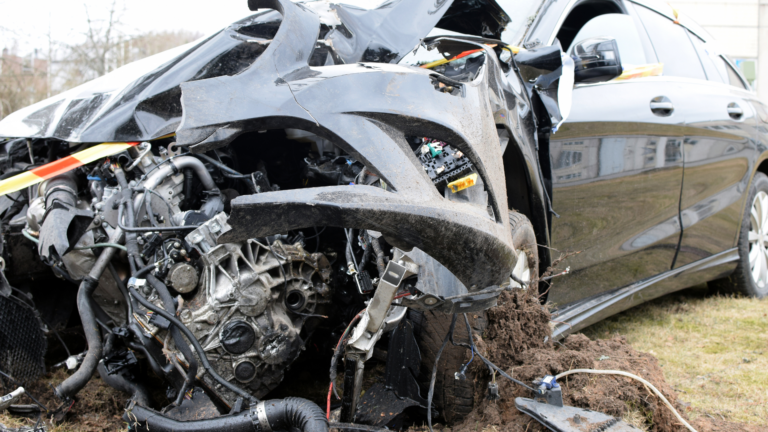
Northwest Austin Crash Kills 83-Year-Old Woman
An 83-year-old woman lost her life following a fatal northwest Austin crash that occurred near the intersection of Anderson Mill Road and FM 620, according to KXAN News. Austin police reported that the woman was transported to a local hospital after the collision, where she later died from her injuries. Authorities continue investigating the circumstances surrounding the crash, and additional details regarding the events leading up to the collision may become available as the investigation progresses. Incidents involving serious or fatal injuries often leave families searching for answers while coping with the emotional and financial consequences that can follow a tragic loss.
The aftermath of a fatal motor vehicle accident can create significant challenges for surviving family members who are already dealing with grief and uncertainty. In addition to emotional hardships, families may face unexpected expenses, lost financial support, and questions regarding their legal rights and options. At Baker Matthews Law, we understand the profound impact a serious accident can have on victims and their loved ones, and we are committed to helping families navigate these difficult circumstances. If your family has been affected by a tragic collision caused by another party’s negligence, call us at (512) 900-5599 today to discuss your situation with our team.

Why the Right Legal Support Matters After a Fatal Northwest Austin Crash
At Baker Matthews Law, we help families affected by a fatal northwest Austin crash understand their legal options while pursuing answers and accountability following a devastating loss. Fatal accident cases often involve complex investigations, insurance issues, and legal questions that can feel overwhelming during an already difficult time. Therefore, having experienced legal guidance can help families better understand their rights while allowing them to focus on supporting one another throughout the grieving process. We work closely with our clients to provide compassionate representation and personalized support tailored to their unique circumstances.
We recognize that no amount of compensation can replace the loss of a loved one, but pursuing legal action may help provide financial stability and a sense of justice for surviving family members. Additionally, we assist clients with gathering evidence, communicating with insurance companies, and evaluating the full impact of the accident on their family. Our team remains committed to keeping clients informed throughout every stage of the legal process while advocating for their best interests. By working with us, families can gain trusted guidance and support during one of the most challenging periods of their lives.

Understanding Wrongful Death Claims After a Fatal Northwest Austin Crash
Losing a loved one in a fatal motor vehicle accident can create emotional and financial hardships that affect a family for years to come. While no legal action can undo such a tragic loss, Texas law may provide surviving family members with options for seeking accountability and financial recovery when another party’s negligence contributed to the accident. Additionally, understanding how wrongful death claims work can help families make informed decisions during a difficult and uncertain time. Learning about the legal process may provide greater clarity regarding the rights and remedies that could be available following a fatal northwest Austin crash.
Who May Be Eligible to File a Wrongful Death Claim?
Texas law generally identifies specific family members who may have the right to pursue a wrongful death claim following the loss of a loved one. Understanding who may qualify is often one of the first questions families have after a fatal accident. Additionally, eligibility requirements may affect how a claim proceeds and who may participate in the legal process. Evaluating these factors carefully can help families better understand their available options.
Certain Family Relationships May Qualify
The law often limits wrongful death claims to close family members who have suffered losses as a result of the deceased person’s death. These individuals may have experienced emotional, financial, and personal hardships stemming from the loss. Furthermore, the specific facts of each case may influence how eligibility issues are evaluated. Understanding these considerations can help families determine whether a claim may be appropriate.
Eligibility Questions Often Require Careful Review
Every family’s circumstances are unique, and legal eligibility issues may not always be straightforward. Questions regarding family relationships, financial dependence, and other factors can sometimes arise during the claims process. Additionally, obtaining accurate information regarding eligibility may help prevent confusion and delays. Careful review of the circumstances can provide valuable guidance when evaluating potential claims.
What Damages May Be Available in a Wrongful Death Claim?
Wrongful death claims often seek compensation for losses resulting from the death of a loved one. These losses may include both financial damages and other hardships that affect surviving family members. Additionally, the specific damages available may depend on the circumstances of the accident and the impact the loss has had on the family. Understanding these potential damages can help families better appreciate the scope of a wrongful death claim.
Financial Losses May Be Considered
The death of a family member can create significant financial consequences that extend well beyond immediate expenses. Lost income, lost benefits, funeral costs, and other economic hardships may affect surviving relatives for years into the future. Furthermore, evaluating these losses often requires consideration of both current and future financial impacts. Careful assessment helps ensure important damages receive appropriate attention.
Future Financial Support May Be Relevant
Many families depend on the financial contributions of a loved one to maintain household stability and meet long-term goals. When that support suddenly disappears, surviving relatives may face substantial challenges moving forward. Additionally, future earnings and other anticipated contributions may play an important role when evaluating damages. Considering these long-term effects can help create a more complete picture of the family’s losses.
Non-Economic Losses Can Also Affect Families
The impact of losing a loved one often extends far beyond financial considerations. Families may experience profound emotional suffering, loss of companionship, loss of guidance, and other hardships that affect their daily lives. Furthermore, these losses can continue influencing family relationships and well-being long after the accident occurs. Recognizing these effects remains an important part of understanding wrongful death claims.
The Human Impact Often Lasts for Years
Grief affects individuals differently, and the emotional consequences of a sudden loss may persist for a considerable period of time. Family traditions, life plans, and personal relationships often change significantly following the death of a loved one. Additionally, surviving relatives may face ongoing emotional challenges while adjusting to life without that person. These realities highlight the far-reaching effects of a fatal accident.
Why Prompt Action May Be Important
Although families may understandably focus on healing and grieving after a fatal accident, certain legal and practical considerations make timely action beneficial. Evidence may become more difficult to obtain over time, and important deadlines may affect the ability to pursue a claim. Additionally, early investigation efforts can help preserve valuable information regarding how the accident occurred. Understanding the importance of acting promptly can help families protect their interests.
Evidence May Become Harder to Obtain
Important evidence often becomes less accessible as time passes following a fatal collision. Witness memories may fade, surveillance footage may be deleted, and physical evidence may no longer be available. Furthermore, delays can make it more challenging to reconstruct the events leading to the crash. Prompt investigation efforts may help preserve critical information before it is lost.
Early Investigation Can Strengthen a Claim
Investigating a fatal accident shortly after it occurs often provides access to more complete and reliable evidence. This may include photographs, witness statements, vehicle data, and other information that helps establish liability. Additionally, early action allows investigators to identify potential issues before they become more difficult to address. A strong foundation may benefit families pursuing a wrongful death claim.

What Evidence Can Help Determine Liability After a Fatal Northwest Austin Crash?
Determining liability following a fatal motor vehicle accident often requires a thorough investigation supported by multiple forms of evidence. Establishing what happened before, during, and after a collision can help investigators identify contributing factors and evaluate whether negligence played a role in the crash. Additionally, different types of evidence may provide unique insights into driver behavior, roadway conditions, vehicle movements, and other important circumstances. A comprehensive review of available evidence often serves as a critical component of determining liability after a fatal northwest Austin crash.
Police Reports and Crash Investigations
Law enforcement investigations often provide some of the earliest information regarding a fatal collision. Officers responding to the scene typically document observations, interview witnesses, and collect evidence that may help explain how the accident occurred. Additionally, official crash reports frequently contain details regarding roadway conditions, vehicle damage, and potential traffic violations. These reports often serve as an important starting point when evaluating liability.
Officer Findings May Provide Valuable Insight
Police officers frequently assess the accident scene and document information they believe may be relevant to the investigation. Their observations regarding vehicle positions, debris patterns, and driver statements can help establish a preliminary understanding of the crash. Furthermore, officers may note whether any traffic laws appear to have been violated. These findings can provide important context when determining fault.
Specialized Investigations May Occur in Fatal Accidents
Fatal collisions often receive more extensive investigation than less serious crashes due to the severity of the outcome. Accident reconstruction specialists and other experts may become involved in examining the evidence and analyzing contributing factors. Additionally, these investigations may uncover details that are not immediately apparent at the scene. Thorough review can help create a more complete picture of how the accident occurred.
Witness Statements
Individuals who observed the collision may provide valuable information regarding the events leading up to the crash. Witnesses can sometimes offer perspectives that help clarify disputed facts or explain driver behavior before impact. Additionally, independent observations may support or challenge information provided by those directly involved in the accident. Witness testimony often becomes an important part of the liability investigation process.
Independent Witnesses May Strengthen the Investigation
Witnesses who have no personal involvement in the accident may provide particularly valuable information because they generally have no direct stake in the outcome of the case. Their observations regarding traffic signals, vehicle speeds, lane changes, or driver actions may help investigators better understand what occurred. Furthermore, multiple witness accounts can sometimes help verify key facts. Independent testimony may contribute significantly to a liability determination.
Early Interviews Help Preserve Accurate Recollections
Memories naturally fade over time, especially following stressful or traumatic events. Therefore, obtaining witness statements as soon as possible after a fatal accident may help preserve important details. Additionally, prompt interviews may uncover information that could otherwise be forgotten or overlooked. Preserving accurate witness testimony often strengthens the overall investigation.
Vehicle Damage Analysis
The physical damage sustained by vehicles involved in a collision can reveal important information regarding how the accident occurred. Investigators often analyze impact locations, crush patterns, and other damage characteristics to better understand the mechanics of the crash. Additionally, vehicle damage may help confirm or challenge witness statements and other evidence collected during the investigation. Careful analysis can provide valuable insight into the sequence of events.
Damage Patterns Can Reveal Vehicle Movements
The location and severity of damage often help investigators determine how vehicles interacted before and during a collision. Certain impact patterns may indicate whether a vehicle was turning, changing lanes, traveling straight, or attempting to avoid a crash. Furthermore, damage analysis may help establish which vehicle initiated contact and how the collision unfolded. These findings can support liability assessments.
Experts May Assist With Technical Evaluations
In some fatal accident cases, experts may examine vehicles and other physical evidence to provide additional analysis. These professionals often use specialized training and techniques to evaluate complex collision dynamics. Additionally, expert findings may help explain technical issues that are difficult to understand through photographs or reports alone. Their conclusions may contribute to a more thorough investigation.
Traffic Camera and Surveillance Footage
Video recordings can provide some of the most persuasive evidence available when determining fault after a fatal collision. Traffic cameras, business security systems, residential surveillance cameras, and dashboard cameras may capture footage of the accident or the moments leading up to it. Additionally, video evidence often provides an objective account of events that may help resolve disputes regarding liability. When available, recordings can play a significant role in the investigation.
Video Footage Can Clarify Important Questions
Recordings may reveal vehicle speeds, traffic signal status, driver actions, and roadway conditions immediately before the collision occurred. This information can help investigators verify witness statements and evaluate competing versions of events. Furthermore, video evidence may identify contributing factors that would otherwise remain unclear. Access to footage can significantly strengthen a liability investigation.
Quick Action May Be Necessary to Preserve Recordings
Many surveillance systems automatically delete footage after a certain period of time. As a result, potentially valuable recordings may become unavailable if they are not identified and preserved quickly. Additionally, businesses and property owners may have varying retention policies regarding stored footage. Prompt investigative efforts may improve the likelihood of securing important video evidence.
Electronic Data and Digital Evidence
Modern vehicles and electronic devices often generate data that may assist investigators following a fatal crash. Vehicle systems, mobile devices, and other electronic sources can sometimes provide information regarding speed, braking, location, and driver activity. Additionally, digital evidence may help verify timelines and support other findings developed during the investigation. These sources can provide valuable insight into the circumstances surrounding a collision.
Vehicle Data May Reveal Driver Actions
Many newer vehicles contain systems capable of recording information immediately before and during a collision. This data may provide details regarding speed, braking activity, steering inputs, and other vehicle operations. Furthermore, investigators may use this information to better understand how the crash occurred. Electronic vehicle data often serves as an important supplement to traditional evidence.
Digital Evidence Can Support Other Findings
Electronic evidence is often most effective when considered alongside police reports, witness statements, and physical evidence. When multiple sources point toward the same conclusion, investigators may gain greater confidence in their findings. Additionally, digital records can sometimes clarify issues that remain uncertain through other forms of evidence alone. Combining various evidence sources often leads to a more comprehensive liability analysis.

How an Austin Car Accident Attorney Can Help Provide Support After a Fatal Crash
The loss of a loved one in a fatal car accident can leave families facing emotional, financial, and legal challenges that feel overwhelming during an already difficult time. While grieving, surviving family members often must address insurance matters, accident investigations, unexpected expenses, and questions regarding their legal rights. Additionally, understanding the legal process can be difficult when families are focused on healing and supporting one another. An Austin car accident attorney can help provide guidance, resources, and support while helping families navigate the complexities that often follow a fatal crash.
Conducting a Thorough Investigation Into the Fatal Crash
Understanding how a fatal collision occurred is often an important part of pursuing accountability and evaluating potential legal claims. A detailed investigation may help identify contributing factors, preserve important evidence, and clarify questions regarding liability. Additionally, gathering information early can help ensure critical evidence remains available as the case progresses. Thorough investigations often provide families with valuable answers regarding the circumstances surrounding the accident.
Reviewing Accident Reports and Physical Evidence
Accident reports, photographs, vehicle damage, roadway conditions, and other forms of evidence may provide important insight into how a collision occurred. Investigators often analyze this information to identify contributing factors and determine whether negligence played a role in the crash. Furthermore, physical evidence may help support witness accounts and other findings developed during the investigation. Careful review of available evidence can strengthen a family’s understanding of what happened.
Preserving Critical Information Before It Is Lost
Certain forms of evidence may become unavailable as time passes following a fatal collision. Surveillance footage, witness recollections, electronic data, and other information can disappear or become more difficult to obtain over time. Therefore, acting quickly to preserve evidence may benefit families seeking answers and accountability. Early investigative efforts often play an important role in protecting valuable information.
Helping Families Navigate Insurance Matters
Insurance issues frequently arise after a fatal accident and can become a source of additional stress for grieving families. Insurance companies may request information, conduct investigations, or discuss settlement options during the claims process. Additionally, surviving family members may not fully understand their rights or the long-term financial impact of their loss when these conversations begin. Legal guidance can help families approach insurance-related matters with greater confidence.
Managing Communication With Insurance Companies
Insurance representatives often contact families soon after a serious accident occurs. While these conversations may appear straightforward, statements made during the claims process can affect how a case proceeds. Furthermore, insurance companies may request documentation or information that requires careful review before submission. Having legal support available can help ensure communications are handled appropriately.
Evaluating Settlement Proposals Carefully
Settlement offers may arise before families fully understand the extent of their losses and future financial needs. While early offers may appear helpful, they may not always reflect the full impact of the accident on surviving family members. Additionally, accepting a settlement may affect the ability to pursue further compensation in the future. Careful evaluation of any proposal can help families make informed decisions regarding their case.
Assessing the Full Impact of the Loss
Fatal accidents often create financial and emotional hardships that extend far beyond immediate expenses. Families may experience lost income, funeral costs, loss of companionship, and other significant challenges following the death of a loved one. Additionally, some losses may continue affecting family members for many years after the accident. Understanding the full scope of these impacts can be an important part of evaluating a potential legal claim.
Identifying Economic Damages
Economic damages often include measurable financial losses resulting from the accident and resulting death. Funeral expenses, medical bills incurred before death, lost income, and the loss of future financial support may all require consideration. Furthermore, evaluating these losses carefully can help families better understand the financial consequences of the tragedy. Comprehensive assessment helps ensure important damages are not overlooked.
Considering Long-Term Financial Effects
The loss of a family member may create financial challenges that continue well into the future. Household expenses, educational costs, and the loss of future earnings may significantly affect surviving family members. Additionally, some families must adjust long-term financial plans because of the unexpected loss. Evaluating future impacts often provides a more complete picture of the damages involved.
Recognizing Non-Economic Losses
Not all damages resulting from a fatal accident involve financial losses. Families may experience emotional suffering, loss of companionship, loss of guidance, and other hardships that cannot easily be measured in monetary terms. Furthermore, these losses often have profound and lasting effects on surviving loved ones. Recognizing these impacts remains an important part of understanding the full consequences of a fatal crash.
The Emotional Effects Can Last for Years
Grief affects every family differently, and the emotional consequences of losing a loved one may continue long after the accident occurs. Family members may struggle with sadness, anxiety, and significant life adjustments while coping with the loss. Additionally, the absence of a loved one often affects daily routines, relationships, and future plans. These realities highlight the profound impact a fatal accident can have on surviving relatives.
Providing Guidance Throughout the Legal Process
Many families have little experience navigating legal claims following a fatal collision and may feel uncertain about what steps to take next. Legal procedures, filing deadlines, and documentation requirements can seem overwhelming during an emotionally difficult period. Additionally, each case presents unique facts that require careful evaluation and planning. Ongoing legal guidance can help families better understand their options and make informed decisions throughout the process.
Explaining Available Legal Options
Families often have questions regarding their rights and the legal remedies that may be available after a fatal accident. Understanding these options can help surviving relatives determine the best path forward based on their circumstances. Furthermore, clear explanations regarding the legal process may reduce uncertainty and provide greater peace of mind. Access to accurate information often helps families feel more confident during difficult times.
Supporting Families Every Step of the Way
The legal process can extend over several months or longer depending on the circumstances involved. Throughout that time, families may need assistance understanding developments, responding to requests, and making important decisions. Additionally, ongoing support helps ensure clients remain informed and prepared as their case progresses. Compassionate legal guidance can provide valuable reassurance while families focus on healing and moving forward.

Contact an Experienced Fatal Northwest Austin Car Crash Lawyer Today
Losing a loved one in a fatal collision can leave families facing emotional, financial, and legal challenges that may persist long after the accident occurs. While grieving, surviving family members may also find themselves dealing with medical expenses, funeral costs, lost household income, and questions regarding the future. At Baker Matthews Law, we are dedicated to helping families understand their legal rights while providing compassionate guidance throughout the claims process. Our firm strives to deliver responsive communication and personalized representation designed to address each family’s specific needs and concerns.
Whether you recently lost a loved one in a motor vehicle accident or are seeking information about your legal options following a tragic collision, obtaining experienced legal guidance may help protect your family’s interests moving forward. We understand the sensitive nature of these cases and work diligently to help families pursue accountability and financial recovery when appropriate. Furthermore, our team remains committed to providing trusted support and advocacy every step of the way. Call us at (512) 900-5599 or reach out online today to schedule a consultation.