
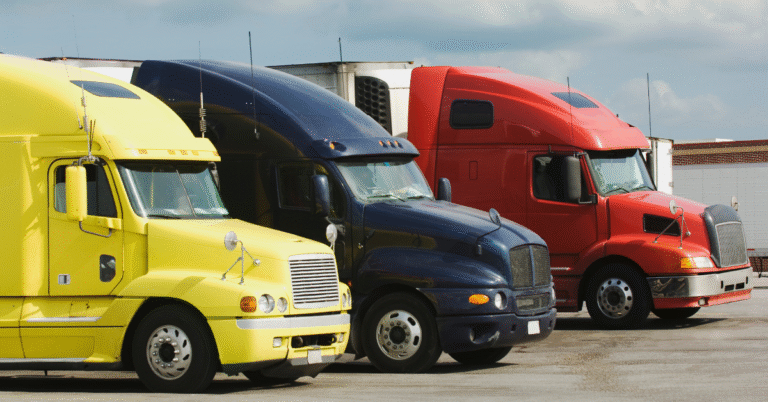
Jonestown Truck Accident Attorneys
Filing a Jonestown truck accident claim often involves more moving parts than a standard car accident case. Commercial carriers typically have their own investigators, insurance teams, and internal procedures that begin working immediately after a crash. That means important evidence, company records, and liability questions may start taking shape before you’ve had time to focus on medical care. Understanding how the claim process works from the beginning can help you avoid mistakes and protect your position.
Our Jonestown truck accident attorneys at Baker Matthews approach these cases with structure and preparation. We review crash details, identify every party who may share responsibility, and organize documentation in a way that supports a clear damages calculation. Instead of allowing insurer pressure to influence the process, we build a strategy that reflects the complexity of commercial cases. To discuss your options, call Baker Matthews at (512) 900-5599 for a free consultation. We’re here to support your recovery and fight for fair compensation.
How Working With Our Jonestown Truck Accident Attorneys Helps Your Case
Truck accident claims require careful coordination of evidence, liability analysis, and insurance communication. Commercial carriers often control key records such as driver logs, maintenance reports, and dispatch information. Without a structured approach, it’s easy for important details to get overlooked. Early legal involvement helps ensure those materials are requested, preserved, and reviewed before they become harder to obtain.
Our team at Baker Matthews manages the investigation and claim process so you don’t have to navigate corporate insurers on your own. We gather crash documentation, organize medical records, and evaluate how driver conduct and company policies may have contributed to the collision. By building the case methodically, we position your truck accident claim for a serious and informed evaluation.
Preserving Evidence Early After a Jonestown Truck Accident
Evidence in trucking cases can change quickly, especially when companies repair vehicles, update logs, or move freight to keep business going. Photos and witness memories can fade fast, and important records may sit in the hands of the trucking company. A timely response helps protect what matters and reduces the chance the case turns into a dispute based on guesses. Careful preservation also helps you avoid relying only on a short initial report.
Securing Crash Scene Details and Witness Accounts
Strong claims often start with simple proof that’s easiest to gather right away. Scene photos, road conditions, and witness contact information can help confirm what happened before stories shift. Truck crashes can involve multiple lanes, blind spots, and chain reactions, so outside perspectives often matter. Organizing that information early creates a clearer foundation for the rest of the case.
Requesting Records Before They Disappear
Trucking companies may control key information about the driver and the vehicle. Driver logs, inspection reports, and dispatch records can help show fatigue, speeding pressure, or unsafe scheduling. Those records don’t always stay easy to obtain later. Prompt requests can help preserve information that supports your version of events.
Why Electronic Data Can Change the Liability Picture
Many trucks store electronic information that can show speed, braking, and other activity before impact. That data can confirm timing and driver behavior in a way that witness statements can’t always capture. When a dispute arises, objective records often carry more weight. A focused strategy helps ensure those records become part of your case file.
Acting Quickly When a Company Controls the Vehicle
Companies may tow and repair trucks quickly, which can erase physical evidence and electronic logs. Early action helps reduce the chance the most important proof disappears. Even basic steps can make a difference in what your case can show later. That timing can shape how negotiations unfold.
Managing Insurance and Paperwork Without Added Pressure
Trucking insurers often ask for statements, releases, and documents early in the process. Those requests may sound routine, but they can affect how the insurer values the claim. You shouldn’t have to answer complex questions while you’re still dealing with pain and treatment decisions. Representation gives you breathing room and keeps communication focused on what’s verified.
Limiting Recorded Statements and Misleading Questions
Adjusters sometimes ask questions designed to shift blame or minimize injury impact. A person might agree with a small point and later see it used as a larger argument against them. Legal support helps you avoid getting boxed into a narrative that doesn’t match the evidence. The goal is clarity, not conflict.
Organizing Medical Records and Crash Documentation
Medical records often arrive from multiple providers and can include confusing notes and timelines. A clear organization system helps connect treatment to crash injuries and daily limitations. When records stay consistent, insurers have less room to argue the care was unnecessary. Good documentation also helps your damages calculation stay realistic.
Keeping Claim Materials Consistent Over Time
Small inconsistencies can happen when people handle paperwork while stressed. A consistent file helps you avoid gaps that the insurer later uses to question your story. Medical notes, billing statements, and work restrictions should align with your reported symptoms. A coordinated approach keeps the claim stronger during negotiations.
Building a Strategy That Matches the Complexity of Truck Claims
A truck crash can involve more than one liable party, and the legal strategy should reflect that. The approach may change depending on whether the driver acted independently or followed unsafe company practices. Building the case as if it may go further also helps you avoid scrambling later. Preparation supports negotiation because it shows you’re ready to prove the claim if needed.
Identifying All Responsible Parties and Coverage
Liability may extend beyond the driver to employers, contractors, or maintenance providers. Each additional party can change available coverage and shift how the insurer evaluates the claim. A thorough review helps ensure you don’t leave key responsibility unaddressed. That matters in a Jonestown truck accident because damages often exceed basic policy limits.
Preparing the Case for Litigation if Necessary
Settlement may resolve the claim, but some insurers won’t act reasonably without pressure. Preparing early doesn’t mean you rush into court. It means you gather records, build a narrative, and calculate damages as if you may need to present them formally. That readiness can improve leverage when negotiations stall.
Understanding How Preparation Shapes Settlement Talks
A well prepared claim file makes it harder for an insurer to delay without explanation. Organized proof can also shorten the back and forth that drags out many cases. When the insurer sees a consistent story and documented damages, discussions tend to become more focused. Strong preparation supports a more serious evaluation of your losses.
Driver and Company Liability in Jonestown Truck Accident Claims
Liability in truck cases often involves questions about both driver behavior and company responsibility. A crash might involve fatigue, poor training, rushed delivery schedules, or maintenance failures that trace back to business decisions. Insurance carriers may try to isolate blame to reduce exposure, even when the company played a direct role. A clear liability analysis helps show how the collision happened and why the responsible parties should pay.
Driver Conduct That Can Lead to Serious Truck Collisions
Drivers operate under demanding schedules, long routes, and pressure to stay on the road. That environment can increase risky behavior, even when the driver doesn’t intend to cause harm. Evidence can reveal whether the driver followed safe practices before the impact. A Jonestown truck accident claim becomes stronger when the file connects decisions behind the wheel to the collision.
Fatigue and Unsafe Scheduling Pressures
Drowsy driving can look like delayed braking, drifting between lanes, or missed traffic cues. Long shifts and tight deadlines can contribute to poor judgment and slower reaction time. When records show excessive hours or unrealistic expectations, they can help explain why the driver couldn’t respond safely. Fatigue often becomes a key issue in serious cases.
Speeding, Following Too Closely, and Aggressive Maneuvers
Large trucks require more time to stop and more space to move safely. Speeding or tailgating can turn a manageable hazard into a devastating impact. Aggressive lane changes can also create sideswipes and chain reactions, especially in traffic. Evidence often shows whether the driver gave themselves the space needed to avoid a crash.
Company Responsibility Beyond the Driver’s Actions
Trucking companies shape safety through training, supervision, and maintenance decisions. Even when a driver makes a mistake, company policies may have encouraged unsafe behavior. A careful review can identify whether the company ignored warning signs, failed to enforce rules, or prioritized deliveries over safety. That analysis can expand liability in a Jonestown truck accident and affect available coverage.
Hiring, Training, and Supervision Problems
A company can create risk when it hires unqualified drivers or fails to train them properly. Poor supervision can also allow repeated safety issues to continue without correction. Records may show violations, complaints, or a lack of consistent oversight. Those details can support the argument that the company contributed to the crash.
How Policy Decisions Can Encourage Risk
Dispatch demands and unrealistic schedules can push drivers to speed or skip breaks. When a company rewards delivery speed over safety, it can create predictable problems. A liability review may uncover patterns that connect company priorities to unsafe driving. Those patterns can matter during negotiations.
Looking for Patterns in Safety Violations
Repeated log issues or inspection failures can suggest the company tolerated unsafe practices. Patterns help show the crash didn’t happen in isolation. When the record reveals recurring problems, insurers have a harder time treating the incident as unavoidable. That context strengthens your liability argument.
Maintenance, Repairs, and Equipment Failures
Mechanical issues can cause or worsen truck crashes. Brake problems, tire blowouts, and lighting failures can reduce control and visibility. A company that delays repairs or skips inspections may share responsibility when equipment fails. Maintenance records can help confirm whether the truck remained safe to operate.
Third Parties Who May Share Liability
Some truck cases involve additional parties beyond the driver and their employer. Contractors, cargo loaders, and maintenance vendors can contribute to unsafe conditions. Identifying those parties can change how the claim proceeds and what coverage applies. A complete analysis helps ensure the case reflects every source of fault supported by evidence.
Improper Loading and Cargo Related Hazards
Unbalanced cargo can cause rollovers, jackknifes, and loss of control. Securement failures can also lead to shifting loads that destabilize the trailer. When cargo issues contribute to a collision, liability may extend to the party responsible for loading. Documentation and inspection records can help clarify what happened.
Unsafe Repairs and Negligent Maintenance Work
Third party repair shops sometimes cut corners or miss issues that should have been addressed. Poor repair work can leave dangerous conditions on the road. When records show recent maintenance connected to equipment failure, liability may extend beyond the trucking company. That broader view can affect settlement value.
Deadlines That Apply to Jonestown Truck Accident Cases
Timing can shape your options after a truck crash, even when the evidence seems strong. Texas law sets deadlines for filing personal injury lawsuits, and missing them can cut off the right to pursue compensation. Delays can also make it harder to gather records and preserve proof that supports liability and damages. Acting sooner helps keep the case organized and reduces last minute pressure.
Understanding the Legal Time Limits for Filing a Jonestown Truck Accident Claim
People often assume they can wait until they feel better before addressing legal deadlines. That approach can create risk because the clock doesn’t pause for recovery. Even when the crash seems straightforward, the claim may involve multiple parties and extensive records that take time to obtain. A truck accident case benefits from early planning so you don’t scramble later.
Distinguishing Insurance Rules From Court Deadlines
Insurance policies may include reporting requirements that apply quickly after a crash. Those rules can affect coverage and claim handling long before a lawsuit deadline matters. Meeting policy requirements helps protect your ability to negotiate effectively. Legal support can help you track what must happen and when.
How Evidence Timing Connects to Filing Decisions
Some records take time to request and review, especially in trucking cases. Waiting can also make it harder to locate witnesses and preserve vehicle condition details. When evidence weakens, insurers become more confident in denying or minimizing claims. Early action helps keep proof available.
Special Timing Issues in Commercial Truck Cases
Truck crashes can involve corporate investigations that begin immediately. Companies may gather statements, analyze logs, and document the vehicle on their own timeline. If you don’t build your own record early, the case may tilt toward the company’s version of events. Prompt legal help can balance that dynamic in a Jonestown truck accident claim.
Coordinating With Medical Care and Documentation
Treatment decisions often overlap with claim decisions. Delayed care can create gaps that insurers use to argue your injuries weren’t serious or weren’t caused by the crash. Consistent documentation helps show a clear connection between the collision and your symptoms. Timing matters for both health and claim strength.
Avoiding Common Delays That Create Problems
People may delay because they expect the insurer to act reasonably, or because they feel overwhelmed. Those delays can allow evidence to fade and paperwork to become harder to collect. A structured approach helps you take steps in a manageable way. It also reduces the chance you miss something important.
When It Makes Sense to Escalate a Dispute
Not every case requires litigation, but you should plan as if you might need that option. Escalation can become necessary when an insurer denies liability, undervalues damages, or drags the process out without good reason. A thoughtful plan helps you avoid reacting emotionally. It also helps you choose the next step based on what moves the case forward.
Recognizing Stalling Tactics and Unreasonable Denials
Repeated requests for the same paperwork can signal delay rather than real need. Sudden claims that treatment seems excessive can also appear without evidence. A clear response backed by documentation can push negotiations forward. When the insurer won’t engage fairly, escalation may become the practical next step.
Preparing the Claim File Before Deadlines Tighten
Waiting until the last minute to organize records can create avoidable stress. A strong file includes medical documentation, wage information, and liability proof that supports your position. Preparation also helps settlement talks because it shows you can support every demand you make. That readiness can matter in a truck accident where damages often run high.
Reach Out to Our Jonestown Truck Accident Attorneys Today
Truck accident claims often involve complexities not typically found in regular car accident cases. When multiple different parties may be liable, it’s important to assess the situation in detail and prepare a strong case. Driver conduct, company policies, maintenance records, and electronic data can all influence how responsibility is evaluated. At the same time, medical documentation and wage loss need to be organized in a way that reflects the true impact of the crash. Handling those moving parts while still recovering can create unnecessary risk and stress, but legal support can make the process much more manageable.
Our Jonestown truck accident attorneys manage the legal details of your case for you so you can focus on your health. We gather the necessary records, identify every responsible party, and calculate damages based on documentation and other evidence. When insurers delay or undervalue the claim, we respond with a strategy built around the facts. Call (512) 900-5599 or contact us online to schedule a free consultation with our team. Baker Matthews Law is ready to guide you through the legal process and help you pursue the compensation you deserve.