
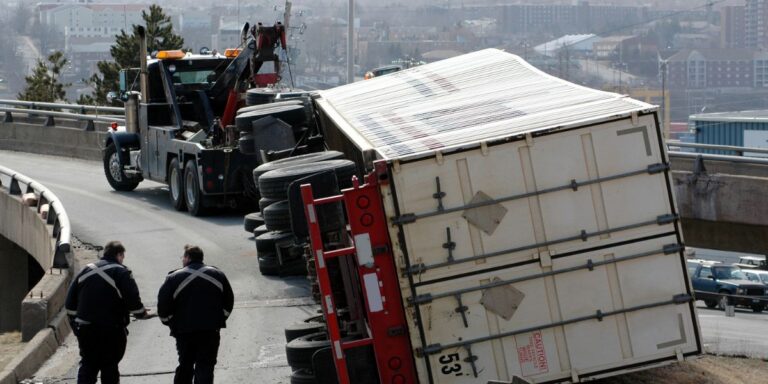
Truck Accident Lawyers in Steiner Ranch
A truck accident in Steiner Ranch creates a level of damage and disruption that goes far beyond a typical vehicle collision. Commercial trucks introduce higher impact forces, complex liability questions, and aggressive insurance response strategies almost immediately after a crash. Truck accident lawyers in Steiner Ranch become essential when trucking companies, insurers, and investigators begin working to limit exposure before injuries are fully understood. These cases typically involve federal regulations, multiple responsible parties, and evidence that can disappear quickly. Early legal structure helps prevent powerful defendants from controlling the narrative.
Truck accident lawyers in Steiner Ranch understand how commercial transportation routes, delivery schedules, and fleet operations affect how these crashes occur and how fault is assigned. Medical treatment decisions, evidence preservation, and early communications carry heightened importance when trucking insurers anticipate litigation from the outset. Without experienced representation, injured residents often face delayed claims, disputed liability, or pressure to accept reduced compensation. Clear guidance creates stability during a process designed to overwhelm. To protect your rights after a truck crash, call Baker Matthews Law at (512) 474-0100 or visit our contact page to speak with truck accident lawyers in Steiner Ranch who are prepared to intervene immediately.
How Federal and State Regulations Shape Steiner Ranch Truck Accident Liability
Truck accident liability in Steiner Ranch is shaped heavily by a regulatory framework that does not apply to ordinary passenger vehicle collisions. Federal motor carrier rules and Texas transportation laws impose specific duties on trucking companies, drivers, and fleet operators that go far beyond basic traffic obligations. These regulations govern driver qualifications, hours of service, vehicle maintenance, cargo securement, and operational oversight. When a crash occurs, liability analysis often centers on whether these rules were followed or ignored. Truck accident lawyers in Steiner Ranch evaluate regulatory compliance as a core component of fault determination rather than a secondary consideration.
Regulatory violations also change how insurers and defense counsel approach claim evaluation and litigation risk. A single compliance failure can expand liability beyond the driver to include the trucking company, maintenance contractors, or freight brokers. Truck accident lawyers in Steiner Ranch understand that regulatory exposure increases financial risk and alters negotiation dynamics. These cases require evidence capable of demonstrating not just negligence, but systemic operational failure. Regulatory analysis therefore shapes both responsibility and recovery potential.
Federal Motor Carrier Safety Rules Governing Truck Operations
Federal safety regulations impose detailed operational standards on commercial trucking entities operating through Steiner Ranch and surrounding corridors. These rules address driver fatigue limits, vehicle inspection requirements, record keeping, and safety management systems. Violations often occur long before a crash and remain hidden unless actively investigated. Insurers attempt to narrow liability by treating violations as technical issues rather than safety failures. Regulatory compliance becomes a factual battleground.
Hours of Service and Driver Fatigue Compliance
Hours of service rules limit how long drivers may operate commercial vehicles without rest. Electronic logging data often reveals violations tied to delivery pressure or scheduling demands. Fatigue related noncompliance significantly increases crash risk. Proving these violations requires prompt access to preserved records.
Why Fatigue Violations Are Difficult to Prove
Trucking companies may alter or lose log data after a crash if preservation steps are delayed. Drivers may provide explanations that obscure true work hours. Without timely intervention, fatigue evidence becomes incomplete. These challenges make regulatory proof especially time sensitive.
State Level Safety and Equipment Requirements in Texas
Texas law supplements federal standards with additional safety and equipment obligations for commercial vehicles. These requirements include inspection protocols, brake standards, lighting compliance, and hazardous material handling. State violations often support negligence claims even when federal rules appear satisfied. Liability analysis must integrate both regulatory layers. Overlooking state requirements weakens claims.
Maintenance Records and Inspection Obligations
Texas regulations require consistent inspection and maintenance documentation for commercial fleets. Missing or inconsistent records often signal broader operational issues. Insurers argue that documentation gaps do not equate to mechanical failure. Linking record violations to crash causation becomes essential.
Why Maintenance Violations Complicate Liability Analysis
Mechanical defects may not be visible after a severe crash. Insurers dispute whether maintenance failures contributed to the incident. Proving causation requires expert interpretation and regulatory context. This complexity increases litigation demands.
Regulatory Responsibility Beyond the Truck Driver
Truck accident liability rarely rests solely with the individual driver when regulatory compliance is examined. Federal and state rules impose oversight duties on employers, dispatchers, and safety managers. Failure to train, supervise, or enforce compliance expands the liability field. These responsibilities create multiple fault pathways. Corporate accountability becomes central.
Safety Management and Supervision Requirements
Trucking companies must implement systems to monitor driver behavior and vehicle condition. Lax enforcement or ignored violations indicate systemic risk tolerance. Insurers attempt to isolate blame at the driver level. Demonstrating oversight failure shifts liability upward.
Why Corporate Violations Increase Claim Resistance
Expanded liability exposes higher policy limits and reputational risk. Insurers respond aggressively to prevent corporate fault findings. These defenses prolong claims and increase complexity. Strong regulatory evidence becomes necessary to overcome resistance.
Regulatory Evidence Preservation After Truck Accidents
Regulatory records are among the most critical evidence sources in truck accident cases. Logs, inspection reports, and compliance audits are often controlled by the trucking company. These materials may be lost through routine retention policies if not preserved. Early preservation determines evidentiary strength. Delay weakens regulatory claims.
Securing Logs, Reports, and Electronic Data
Electronic logging devices and maintenance systems store valuable compliance data. Access requires formal preservation demands and technical coordination. Insurers may limit voluntary disclosure. Securing this data protects liability arguments.
Why Lost Regulatory Evidence Undermines Claims
Without regulatory records, proving systemic violations becomes speculative. Insurers argue compliance cannot be disproven. Liability narratives narrow to driver error alone. Preservation failures reduce recovery potential significantly.
What Injured Residents Must Prove in Steiner Ranch Truck Accident Claims
Truck accident claims in Steiner Ranch require injured residents to meet a higher and more layered burden of proof than most standard collision cases. Liability often extends beyond the truck driver and into corporate policies, regulatory compliance, and third party decision making. Insurers and defense counsel investigate every element of proof because the financial exposure in trucking cases is significantly higher. Truck accident lawyers in Steiner Ranch understand that success depends on proving multiple legal elements simultaneously rather than sequentially. Each element must align across evidence sources to withstand coordinated defense strategies.
The proof requirements also evolve as additional parties and defenses enter the case. Early assumptions about fault frequently shift once regulatory records, corporate documents, and expert analysis are introduced. Injured residents must demonstrate not only what happened, but why it happened within the operational structure of commercial trucking. Gaps between evidence categories create opportunities for blame shifting. Meeting the burden of proof requires disciplined coordination across liability, causation, and damages.
Establishing Negligence Across Commercial Operations
Negligence in truck accident claims often arises from decisions made long before the crash occurred. Drivers, dispatchers, fleet managers, and corporate supervisors may all contribute to unsafe conditions through scheduling, training, or enforcement failures. Truck accident lawyers in Steiner Ranch evaluate whether operational choices violated safety standards or created foreseeable risk. Proving negligence requires showing that these decisions departed from accepted industry practices. This analysis expands liability beyond individual conduct.
Proving Breach Through Operational Records
Operational records such as dispatch logs, safety audits, and training documentation reveal how trucking companies function day to day. Inconsistencies or omissions often indicate systemic neglect rather than isolated error. Insurers attempt to limit access to these materials to control exposure. Securing and interpreting these records is critical.
Why Operational Negligence Is Hard to Demonstrate
Corporate systems are designed to diffuse responsibility across departments and personnel. Defendants argue that no single decision caused the crash. Linking operational failures to the incident requires expert analysis and complete documentation. These barriers increase proof complexity significantly.
Proving Causation Beyond Driver Error
Causation in truck accident claims must connect regulatory or operational failures directly to the collision and resulting injuries. Insurers argue that even if violations existed, they did not cause the crash. Medical and technical evidence must align with the accident mechanism. Truck accident lawyers in Steiner Ranch coordinate causation proof across disciplines. This integration distinguishes correlation from causation.
Linking Violations to Crash Dynamics
Expert testimony often bridges the gap between compliance failures and collision mechanics. Fatigue, maintenance issues, or improper loading must be shown to influence vehicle behavior. Insurers challenge these links aggressively. Detailed reconstruction strengthens causal arguments.
Why Causation Is Aggressively Disputed
High value claims incentivize insurers to introduce alternative explanations. Preexisting conditions or independent driver actions are emphasized. Proving causation requires eliminating these alternatives systematically. This burden elevates litigation demands.
Demonstrating Damages Commensurate With Severity
Truck accidents frequently cause catastrophic injuries that require extensive proof of long term impact. Damages must reflect medical needs, earning capacity loss, and life alteration. Insurers challenge projections as speculative or excessive. Truck accident lawyers in Steiner Ranch document damages with forward looking analysis. Precision becomes essential.
Supporting Long Term Economic and Non Economic Loss
Economic losses require employment records, expert projections, and vocational analysis. Non economic harm must be supported through consistent medical and functional documentation. Insurers discount subjective complaints. Comprehensive evidence counters minimization efforts.
Why Damage Proof Faces Heightened Inspection
Large damage claims attract intensified review and skepticism. Insurers demand higher evidentiary thresholds to justify compensation. Incomplete documentation weakens credibility. Strong damage proof protects recovery potential.
Addressing Comparative Fault and Shared Responsibility
Comparative fault arguments appear frequently in truck accident cases to reduce corporate exposure. Insurers attempt to assign partial blame to injured residents or third parties. Truck accident lawyers in Steiner Ranch anticipate these arguments early. Evidence must preempt shared fault narratives.
Countering Attempts to Shift Blame
Defense strategies often focus on driver behavior of non truck parties. Surveillance, data, and witness testimony are used selectively. Contextual evidence is necessary to rebut these claims. Fault allocation becomes a contested process.
Why Comparative Fault Lowers Recovery Potential
Even small fault percentages reduce compensation significantly in high value cases. Insurers leverage this math during negotiation. Preventing exaggerated fault allocation preserves claim value. Effective counterproof is essential.
How Trucking Company Safety Policies Affect Steiner Ranch Accident Liability
Trucking company safety policies play a decisive role in determining liability after serious accidents in Steiner Ranch because they reveal how risk is managed long before a collision occurs. These policies govern driver supervision, vehicle maintenance standards, training requirements, and internal enforcement practices that directly influence roadway safety. When an accident happens, insurers and defense counsel examine whether written policies were reasonable and whether they were actually followed in practice. Truck accident lawyers in Steiner Ranch treat safety policies as operational evidence rather than internal guidelines. The gap between policy language and real world enforcement often becomes central to liability disputes.
Safety policies also affect how responsibility is distributed across corporate actors rather than resting solely on the truck driver. Inadequate policies or inconsistent enforcement can expose employers, fleet operators, and parent companies to direct liability. Insurers attempt to frame policy failures as isolated oversights rather than systemic risk tolerance. Truck accident lawyers in Steiner Ranch understand that policy analysis reshapes fault allocation and settlement posture. Demonstrating policy driven negligence expands recovery pathways.
Internal Safety Standards and Risk Management Expectations
Trucking companies establish internal safety standards that often exceed minimum regulatory requirements on paper. These standards address driver screening, ongoing training, vehicle inspections, and disciplinary procedures. Liability analysis examines whether these expectations were realistic and consistently enforced. Failure to adhere to internal standards undermines claims of reasonable care. Safety standards therefore become benchmarks for negligence.
Comparing Written Policies to Actual Practice
Written policies often present a safety focused narrative that differs from daily operations. Dispatch pressure, delivery schedules, and staffing shortages frequently erode compliance. Truck accident lawyers in Steiner Ranch compare policy language with logs, reports, and testimony to expose inconsistencies. These discrepancies support arguments of systemic neglect.
Why Policy Violations Strengthen Liability Claims
When companies fail to follow their own safety rules, insurers struggle to defend reasonableness arguments. Policy violations demonstrate foreseeable risk acceptance. Liability extends beyond individual driver behavior. These findings increase corporate exposure significantly.
Driver Training and Supervision Protocols
Training programs and supervision systems reflect how trucking companies prepare drivers to manage risk. Inadequate training or lax supervision increases the likelihood of unsafe conduct on the road. Liability analysis evaluates whether drivers received appropriate instruction for vehicle type, cargo, and route conditions. Truck accident lawyers in Steiner Ranch examine training records for completeness and relevance. Deficient preparation supports negligence claims.
Oversight Failures in Monitoring Driver Conduct
Supervision systems are intended to identify risky behavior before accidents occur. Companies may ignore warning signs such as log violations or safety complaints. Insurers argue that monitoring failures do not directly cause crashes. Linking oversight gaps to accident causation becomes essential.
Why Training Deficiencies Are Hard to Defend
Poor training undermines claims that accidents were unavoidable. Insurers face difficulty justifying inadequate preparation in high risk operations. Demonstrating training failures increases liability pressure. These issues often influence settlement dynamics.
Maintenance and Inspection Policy Enforcement
Maintenance policies govern how trucks are inspected, repaired, and cleared for service. Failure to enforce these policies can lead to mechanical failures that contribute to accidents. Liability analysis reviews inspection schedules, repair records, and defect reporting systems. Truck accident lawyers in Steiner Ranch assess whether maintenance policies were realistic and followed consistently. Lapses signal operational negligence.
Documentation Gaps in Maintenance Compliance
Maintenance records often contain missing entries or delayed repairs that raise safety concerns. Insurers argue that paperwork issues do not equate to mechanical failure. Proving the connection between documentation gaps and vehicle condition requires expert input. Evidence coordination becomes critical.
Why Maintenance Policy Failures Increase Claim Complexity
Mechanical issues may be obscured by crash damage, making causation harder to establish. Insurers dispute whether defects existed before impact. Policy enforcement failures shift focus to operational accountability. These disputes intensify litigation demands.
How Baker Matthews Law Handles Truck Accident Claims in Steiner Ranch
Truck accident claims in Steiner Ranch require a disciplined legal approach because commercial defendants prepare for conflict from the moment a crash is reported. Baker Matthews Law handles these cases with the expectation that trucking companies and insurers will aggressively protect their interests through delay, denial, and procedural pressure. The firm structures each claim to withstand regulatory review, corporate defense strategies, and potential litigation escalation. Truck accident lawyers in Steiner Ranch at Baker Matthews Law focus on building cases that remain consistent and defensible across every stage of dispute. This approach prevents powerful defendants from controlling early narratives.
Handling truck accident claims also requires anticipating how evidence, communication, and timing influence insurer behavior. Baker Matthews Law prioritizes early action to secure records, preserve compliance data, and define liability pathways before information disappears. Truck accident lawyers in Steiner Ranch at the firm understand that missed opportunities early in these cases often cannot be corrected later. Strategic planning governs every step rather than reactive adjustments. Clients benefit from a process designed to maintain leverage throughout the claim.
Early Case Control and Evidence Preservation Strategy
Baker Matthews Law begins truck accident representation by establishing control over evidence sources that trucking companies typically manage internally. Logs, maintenance records, onboard data, and safety documentation are identified and preserved before routine retention policies erase them. This early intervention prevents selective disclosure and evidentiary gaps. Truck accident lawyers in Steiner Ranch coordinate preservation demands and technical review quickly. Control over evidence shapes liability outcomes.
Coordinating Regulatory and Operational Evidence
Truck accident cases involve overlapping regulatory and operational documentation that must be reviewed together. Baker Matthews Law aligns federal compliance records with internal company policies and accident specific data. This coordination reveals inconsistencies that insurers attempt to obscure. Unified analysis strengthens liability positioning.
Why Early Evidence Control Changes Claim Trajectory
When evidence is preserved promptly, insurers lose the ability to shape narratives through omission. Liability discussions become fact driven rather than speculative. Claims progress with greater clarity and momentum. Early control improves recovery potential.
Managing Communication With Corporate Insurers and Defense Counsel
Communication discipline is critical when dealing with corporate defendants and their insurers. Baker Matthews Law approaches all correspondence as potential litigation material rather than informal negotiation. Truck accident lawyers in Steiner Ranch ensure that statements, disclosures, and submissions advance liability arguments without exposing vulnerabilities. Precision limits insurer maneuvering. Strategic communication preserves leverage.
Preventing Mischaracterization Through Careful Messaging
Insurers frequently reinterpret language to support defense positions. Baker Matthews Law reviews communications to eliminate ambiguity and preserve context. Clear messaging prevents narrative distortion. This discipline protects claim integrity.
Why Uncontrolled Communication Weakens Truck Accident Claims
Careless statements often provide insurers with leverage during investigation and discovery. Mischaracterization creates unnecessary disputes. Preventing these issues strengthens negotiation posture. Controlled communication supports consistent strategy.
Litigation Readiness Throughout the Claim Process
Baker Matthews Law handles truck accident claims with litigation readiness embedded from the outset. Evidence, expert coordination, and liability framing are developed to meet courtroom standards rather than minimum settlement thresholds. Truck accident lawyers in Steiner Ranch understand that insurers evaluate claims differently when litigation appears likely. Preparedness influences settlement behavior. Readiness reduces resistance.
Preparing for Escalation Without Rushing Litigation
Litigation readiness does not require immediate filing but ensures escalation remains a credible option. Baker Matthews Law balances preparation with strategic timing. Insurers recognize when claims are fully developed. This awareness alters negotiation dynamics.
Why Litigation Preparedness Improves Outcomes
Claims that withstand litigation scrutiny command greater respect during negotiation. Insurers reassess exposure when defenses weaken. Settlement discussions become more balanced. Preparedness strengthens resolution quality.
Client Guidance and Stability During Complex Disputes
Truck accident claims create prolonged uncertainty that can overwhelm injured residents without clear guidance. Baker Matthews Law prioritizes consistent communication and expectation management throughout the process. Truck accident lawyers in Steiner Ranch explain procedural developments and strategic decisions in practical terms. Informed clients remain confident and engaged. Stability supports better decisions.
Supporting Informed Participation Throughout the Claim
Clients receive updates tied directly to case strategy rather than generic status reports. Baker Matthews Law ensures understanding of risks and options. This transparency reduces stress. Engagement improves outcomes.
Why Client Stability Strengthens Truck Accident Claims
Clients who understand the process avoid rushed decisions driven by pressure. Reduced uncertainty preserves long term strategy. Stability allows claims to develop fully. Clear guidance enhances recovery potential.
Contact Baker Matthews Law Today to Speak With Our Truck Accident Lawyers in Steiner Ranch
Truck accident cases rarely move like ordinary injury claims, especially when commercial insurers and corporate defendants begin shaping the record immediately after a crash. Decisions made in the first weeks can determine which evidence survives, how responsibility is framed, and if meaningful leverage ever develops. Baker Matthews Law approaches these cases with an understanding that trucking companies defend claims as business risks rather than human harm. That reality informs every strategic choice from the start to guarantee that you receive the maximum compensation for your case.
Truck accident lawyers in Steiner Ranch at Baker Matthews Law focus on protecting injured residents from being outmatched by corporate processes designed to deflect and diminish responsibility. This work centers on preserving critical information, defining liability before narratives harden, and keeping future recovery in view rather than accepting early limitations. If you were injured in a truck accident and need guidance, call Baker Matthews Law at (512) 474-0100 or visit our contact page to speak with truck accident lawyers in Steiner Ranch who are ready to protect your claim and your future.